What is the Importance of Gut Health?
Your gut's health is central to your overall well-being. It manages digestion, nutrient absorption, and waste removal. The gut microbiome is a key player in this, supporting your immune system and even influencing your mood and mental clarity. A balanced gut microbiome is essential for a healthy life. A study highlights the gut microbiome's profound influence on human health, linking it to chronic conditions such as metabolic disease and gastrointestinal disorders, as reported by Hills Jr. et al. in Gut Microbiome: Profound Implications for Diet and Disease, published in 2019(1).
Key Functions of a Healthy Gut
| Function | Description |
|---|---|
| Digestion & Nutrient Absorption | Breaks down food, absorbs nutrients, and produces essential vitamins like B vitamins and Vitamin K. |
| Immune Support | Acts as a barrier against harmful pathogens and supports the body's natural defenses. |
| Mental Well-being | The gut-brain axis shows a clear link between gut health and mental clarity, mood, and cognitive function. |
What are the Signs of an Unhealthy Gut?
An imbalanced gut can manifest in several ways. Recognizing these signs is the first step to addressing them.
- Digestive Discomfort: Frequent bloating, gas, diarrhea, or an upset stomach.
- Fatigue and Weight Changes: Poor nutrient absorption can lead to fatigue and unintentional weight fluctuations.
- Sleep Disturbances: The gut produces serotonin, a key regulator of sleep.
- Food Intolerances: Difficulty digesting certain foods can be a sign of a compromised gut lining.
- Skin Irritation: Gut inflammation can manifest as skin issues like eczema or acne.
- Autoimmune Conditions: A disrupted gut environment can contribute to systemic inflammation and autoimmune disorders.
What is Leaky Gut Syndrome?
Our intestinal wall is composed of cells sealed together by protein structures called "tight junctions." This barrier allows digested nutrients to enter the bloodstream while blocking the passage of toxins, undigested food particles, and harmful bacteria.
"Leaky gut syndrome" is a popular term used to describe a condition where these tight junctions loosen, increasing the permeability of the intestinal wall. This increased permeability can allow unwanted substances to leak into the bloodstream. The body may launch an immune response against these foreign substances, which can lead to chronic inflammation, autoimmune reactions, food sensitivities, and skin problems.
Potential triggers for a leaky gut include chronic stress, a diet rich in processed foods, long-term use of certain medications, and imbalances in the gut microbiota.
How to Improve Your Gut Health Naturally?
Improving your gut health can be achieved through simple, natural lifestyle changes.
Diet: The Foundation of Gut Health
Your diet is the most powerful tool for improving your gut health. Focus on a diet rich in prebiotics, probiotics, and fiber.
| Food Group | Role in Gut Health | Examples |
|---|---|---|
| Prebiotics | Fuel for beneficial gut bacteria. | Garlic, onions, bananas, asparagus. |
| Probiotics | Introduce live beneficial bacteria to the gut. | Yogurt, kefir, kimchi, sauerkraut. |
| High-Fiber Foods | Aid digestion and promote regular bowel movements. | Whole grains, legumes, fruits, vegetables. |
Lifestyle Habits for a Healthy Gut
- Stay Hydrated: Water is essential for digestion and nutrient absorption.
- Exercise Regularly: Physical activity promotes a diverse and balanced gut microbiome.
- Manage Stress: Chronic stress negatively impacts gut health. Practices like meditation and yoga can help.
The Role of Supplements in Gut Health
Supplements can provide additional support for your gut health, but they should complement a healthy diet and lifestyle, not replace them.
- Probiotics & Prebiotics: These are the most common gut health supplements, helping to balance your gut flora. Studies indicate that probiotics can effectively restore and improve the balance of gut microbiota, published in 2024 in Microorganisms(2).
- Avoid Processed Foods and Sugar: These can harm beneficial bacteria and promote the growth of harmful ones.
- Digestive Enzymes: These can aid in the breakdown of food and improve nutrient absorption.
- Fiber Supplements: Can help with regular digestion and prevent constipation.
The Potential Role of Collagen in Gut Health
Collagen is the most abundant protein in the body and is the primary building block of connective tissue, skin, bones, and yes, the intestinal wall. So, how might collagen supplements support gut health?
While scientific research in this area is still evolving, current evidence points to several potential mechanisms:
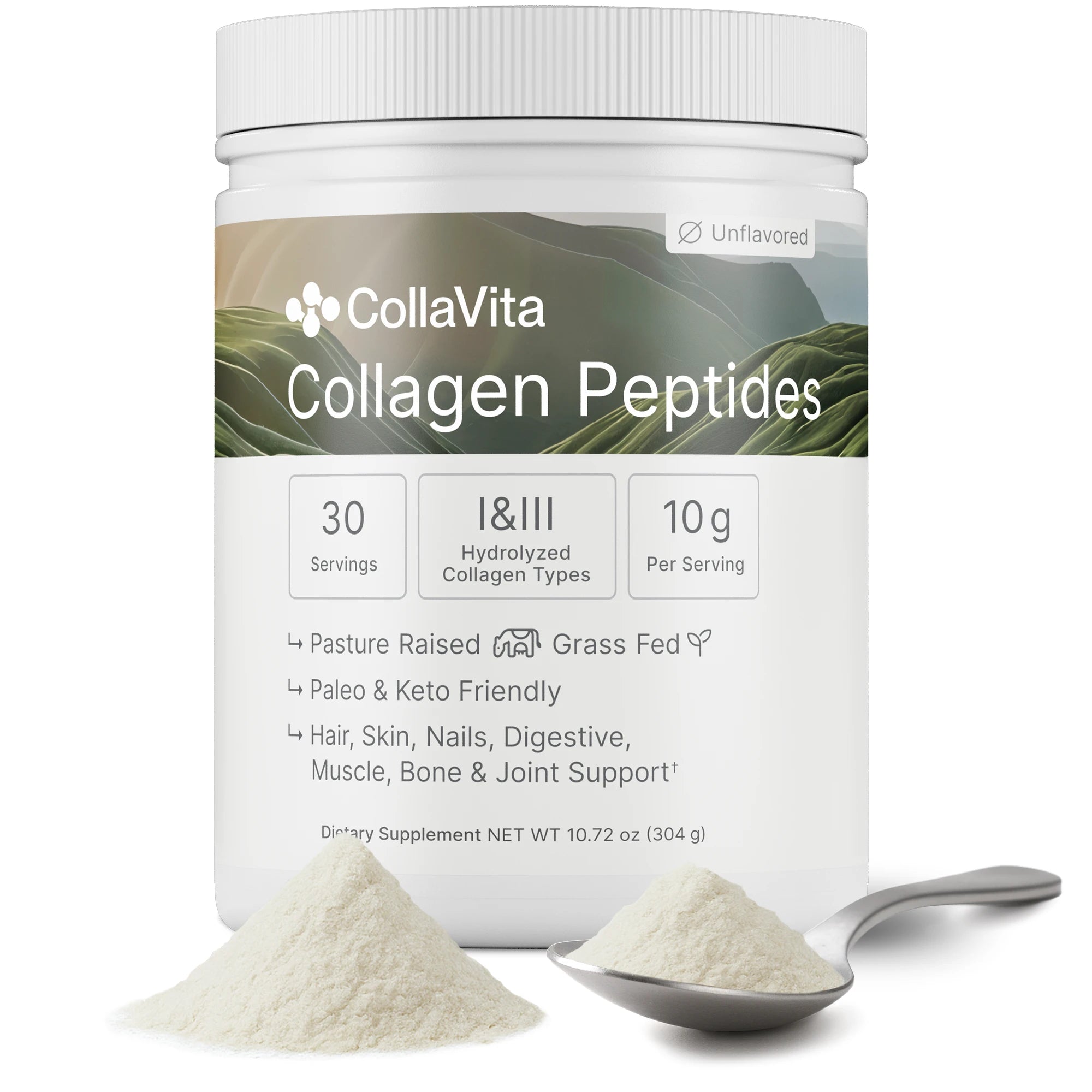
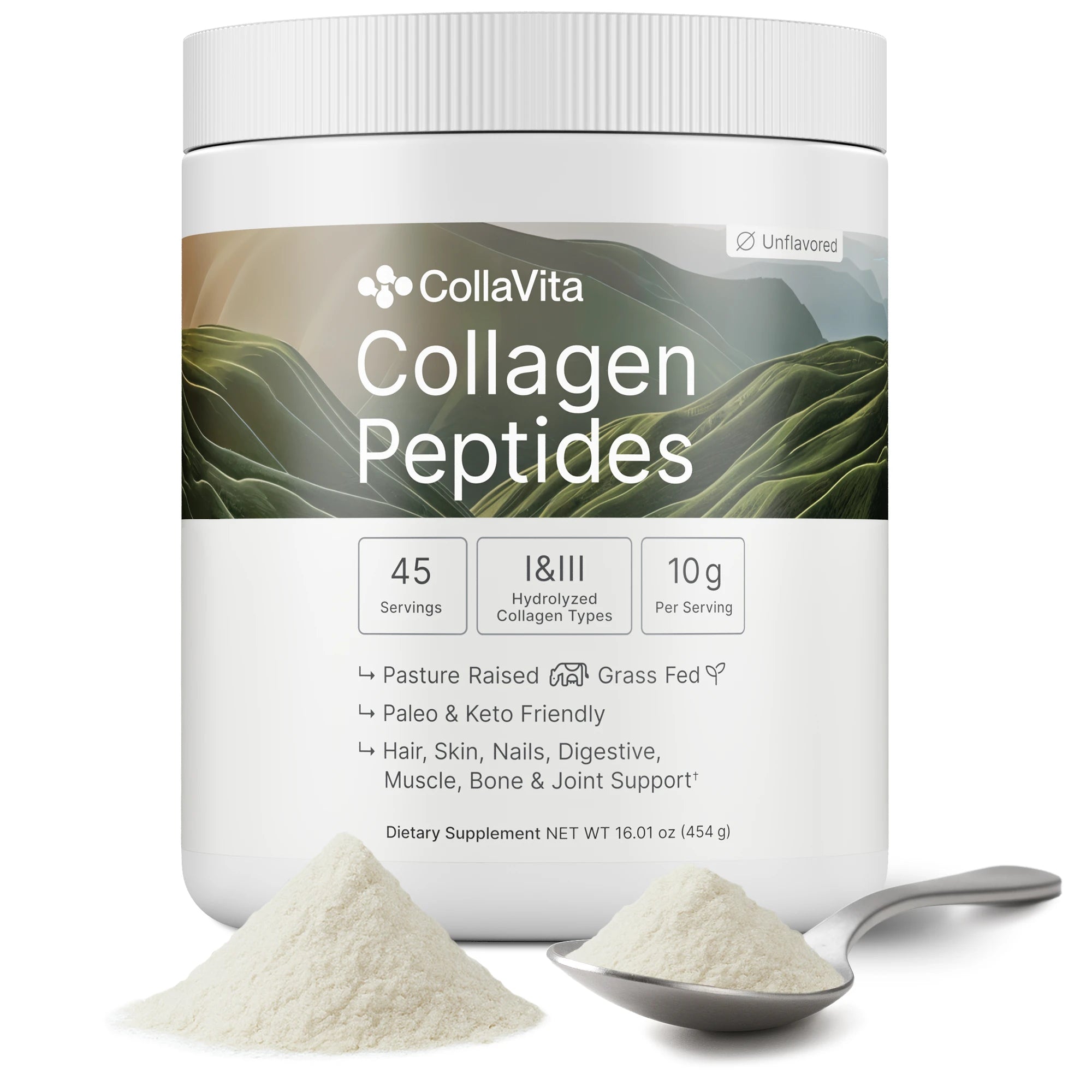
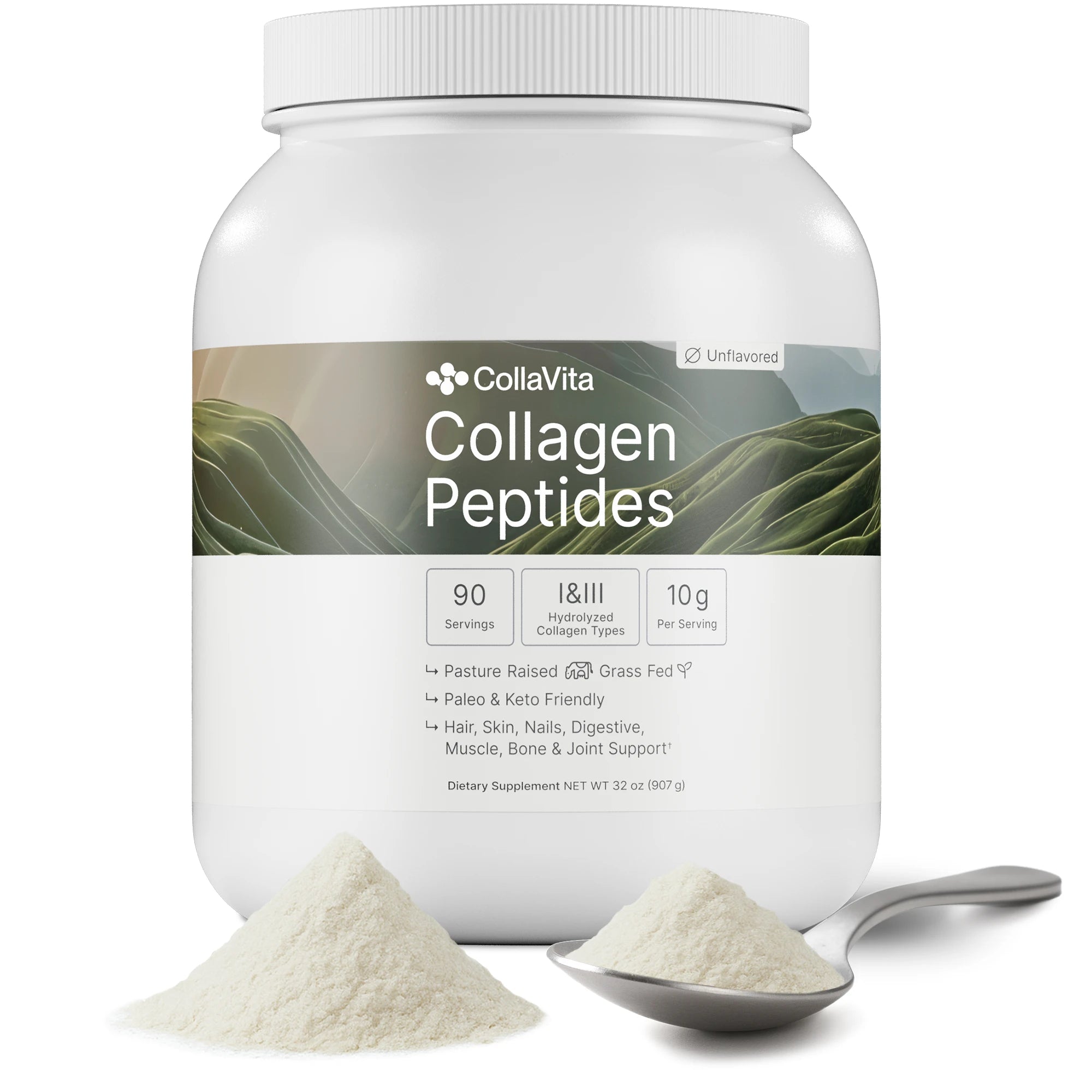
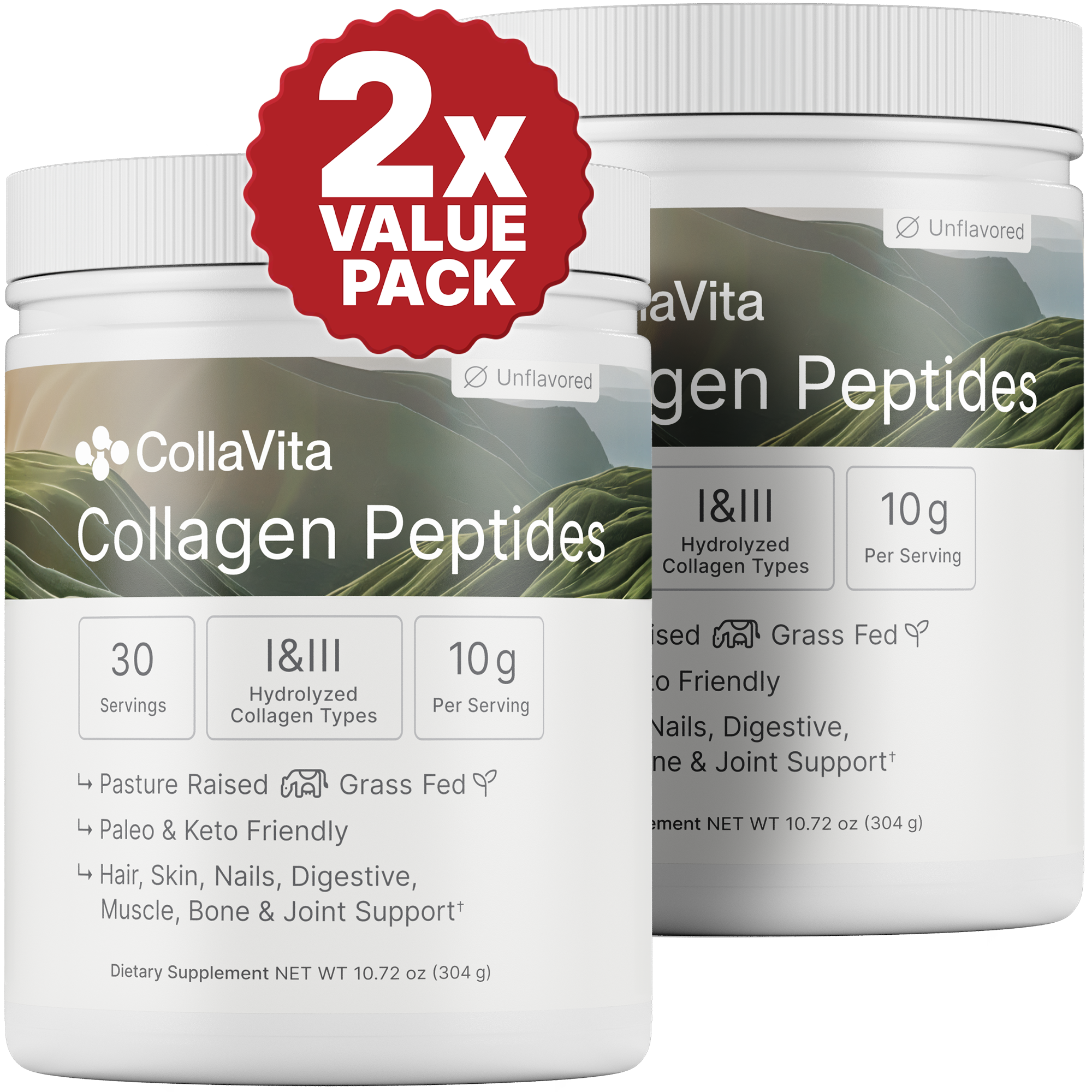
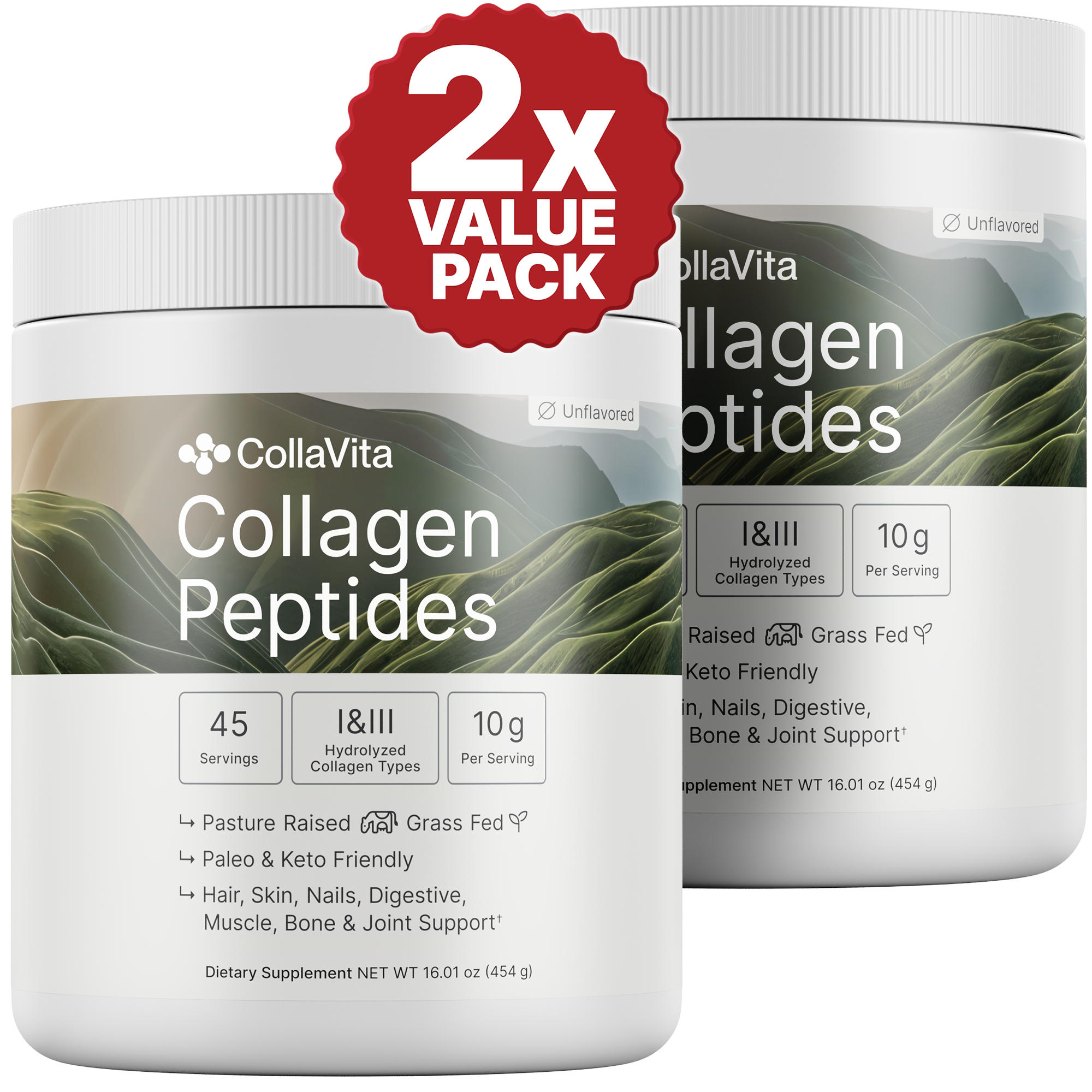
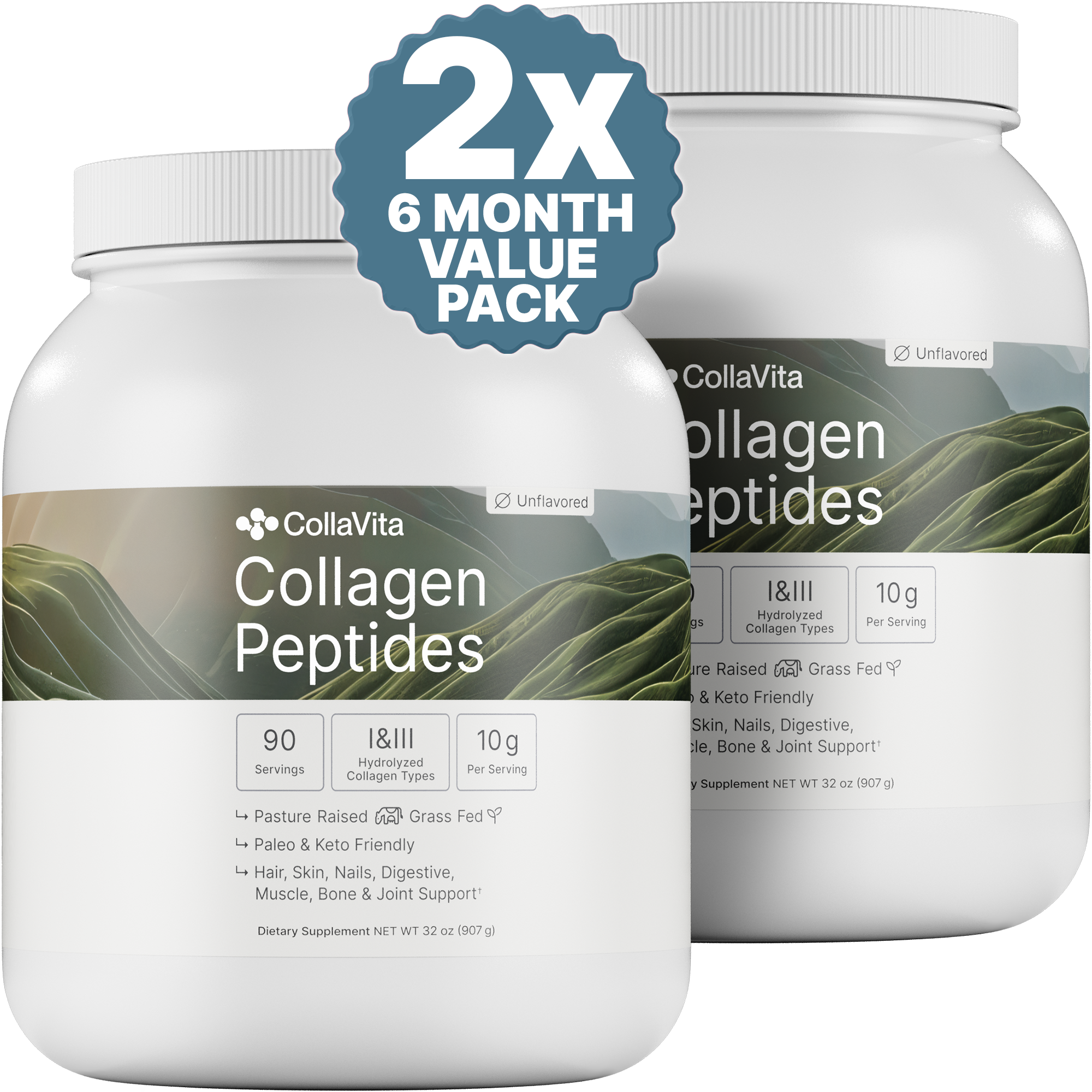
Hydrolyzed collagen peptides, in particular, are more easily absorbed and utilized by the body due to their smaller molecular size. For those looking to enhance their gut health, incorporating a high-quality collagen supplement like CollaVita Collagen can be a valuable addition to their daily routine.
FAQ
Is collagen only beneficial for gut health?
No, collagen also supports other areas of the body. For example, it can improve joint flexibility and mobility. Learn more in our article on collagen for joint health.
Which type of collagen is best for gut health?
One of the most popular options is marine collagen, known for its high bioavailability and easy absorption by the digestive system.
Should collagen be combined with other nutrients?
Yes, vitamin C plays a key role in collagen absorption. You can read more in our collagen with vitamin C guide.
Is liquid collagen better for gut health?
Liquid forms are absorbed faster by the body and can be convenient for daily use. Explore more in our liquid collagen guide.
Is collagen useful for athletes?
Absolutely. It can aid recovery, strengthen connective tissues, and support active lifestyles. Learn more in our article on collagen for athletes.
Disclaimer: The information in this article is for educational and informational purposes only. It does not constitute medical advice. For the diagnosis, treatment, or management of any health issue, please consult your doctor or a qualified healthcare provider.
SOURCES
(1) - Hills RD Jr, Pontefract BA, Mishcon HR, Black CA, Sutton SC, Theberge CR. Gut Microbiome: Profound Implications for Diet and Disease. Nutrients. 2019 Jul 16;11(7):1613. doi: 10.3390/nu11071613. PMID: 31315227; PMCID: PMC6682904.
(2) - Maftei, N.-M.; Raileanu, C.R.; Balta, A.A.; Ambrose, L.; Boev, M.; Marin, D.B.; Lisa, E.L. The Potential Impact of Probiotics on Human Health: An Update on Their Health-Promoting Properties. Microorganisms 2024, 12, 234.
(3) - Kim MH, Kim H. The Roles of Glutamine in the Intestine and Its Implication in Intestinal Diseases. Int J Mol Sci. 2017 May 12;18(5):1051. doi: 10.3390/ijms18051051. PMID: 28498331; PMCID: PMC5454963.
Scientifically Reviewed by Omer (Matt) Sermet