Does Collagen Help Repair a Leaky Gut?
Yes, collagen, particularly in the form of hydrolyzed collagen peptides, can help repair a leaky gut by providing the necessary amino acid building blocks to strengthen the intestinal barrier. The gut lining is primarily composed of connective tissue, and collagen is the most abundant protein in the body, essential for the structure and repair of this tissue. According to a 2011 review published in the Journal of Epithelial Biology & Pharmacology (1), L-Glutamine is considered the most important nutrient for healing 'leaky gut syndrome' due to its critical role in preserving gut barrier function and tight junction integrity.
One of the most promising natural compounds for supporting the integrity of the gut lining is collagen. For a comprehensive overview of how collagen fits into a broader gut health strategy, see our main article on Gut Health. This article explores the scientific evidence behind collagen's role in repairing a leaky gut, presented in a concise, structured, and question-and-answer format.
Key Amino Acids in Collagen for Gut Health
Collagen is rich in specific amino acids that play a direct role in maintaining and healing the gut barrier.
| Amino Acid |
Primary Role in Gut Health |
Scientific Relevance |
| L-Glutamine |
Primary fuel source for enterocytes (gut cells); supports the integrity of the intestinal barrier. |
Considered the most important nutrient for healing 'leaky gut syndrome' due to its role in preserving tight junction integrity. |
| Glycine |
Anti-inflammatory properties; aids in tissue repair and protects the mucosal lining. |
Contributes to the synthesis of glutathione, a powerful antioxidant that protects the gut from oxidative stress. |
| Proline |
Essential component of collagen structure; helps rebuild connective tissue throughout the body, including the gut lining. |
Provides structural support for the intestinal wall, reinforcing the physical barrier. |
How Does Collagen Work to Seal the Gut Lining?
Collagen works by directly supporting the cellular structures that form the intestinal barrier. The key to a healthy gut lining is the integrity of the tight junctions (TJs), which act as the gatekeepers between intestinal cells. When these junctions break down, permeability increases, leading to a "leaky gut."
Cellular Reinforcement: Collagen peptides provide the necessary amino acids, like Proline and Glycine, to rebuild the connective tissue that supports the gut wall.
Inflammation Control: More specifically, according to a 2017 in vitro study published in Food & Function(2), collagen peptides were shown to ameliorate intestinal epithelial barrier dysfunction by enhancing tight junctions and inhibiting the inflammatory pathways that cause their breakdown. This suggests that collagen does not just provide raw material, but actively helps regulate the cellular structures responsible for gut integrity.
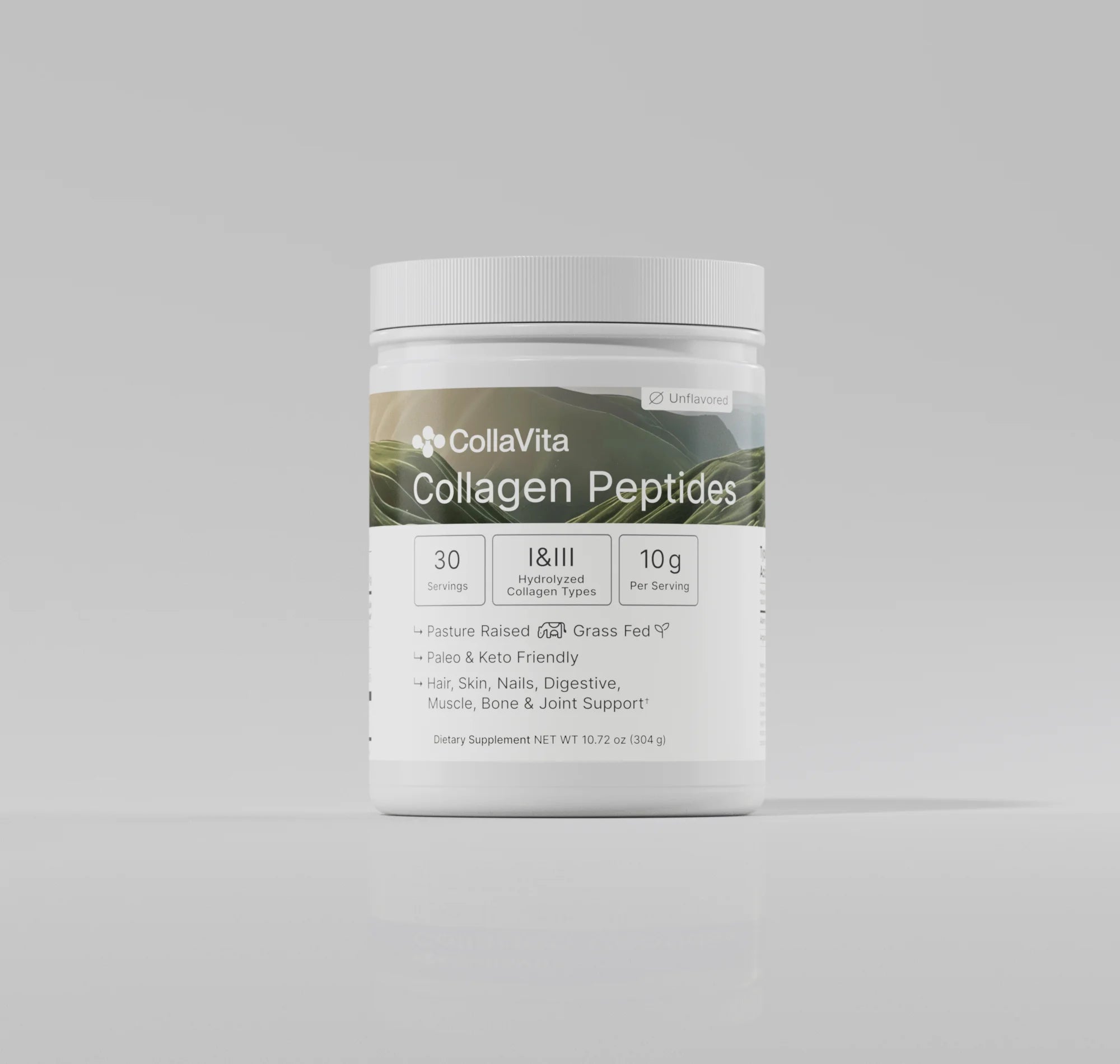
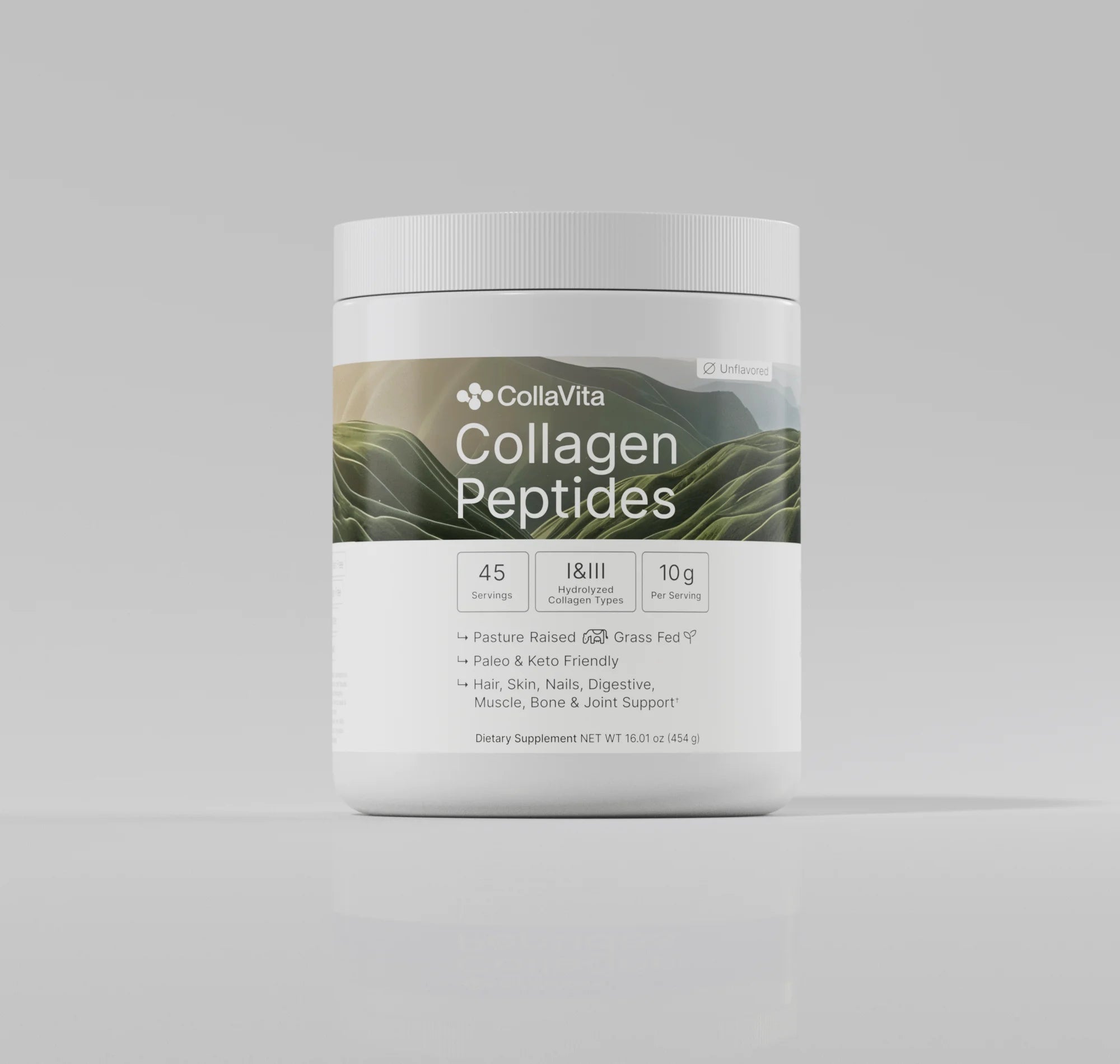
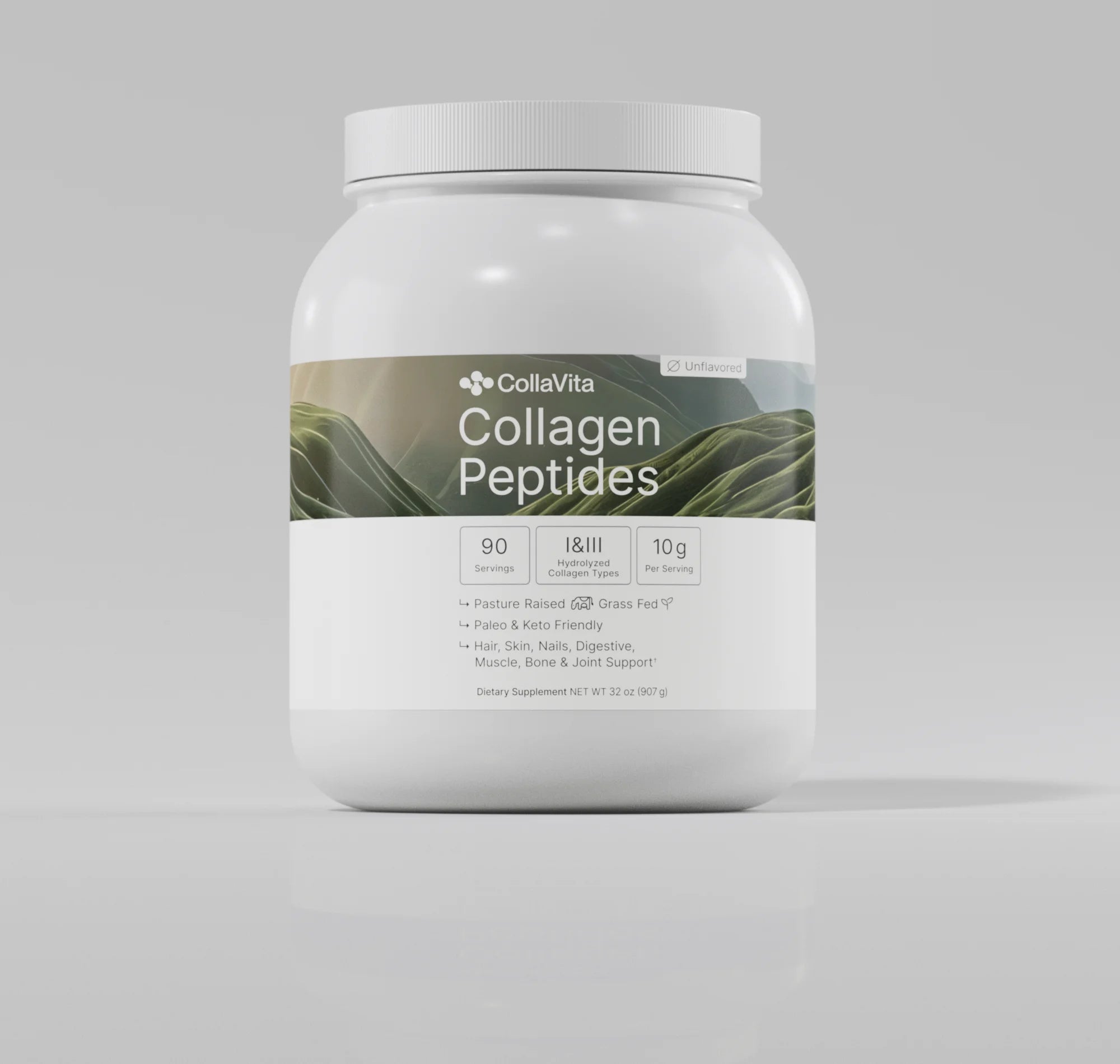
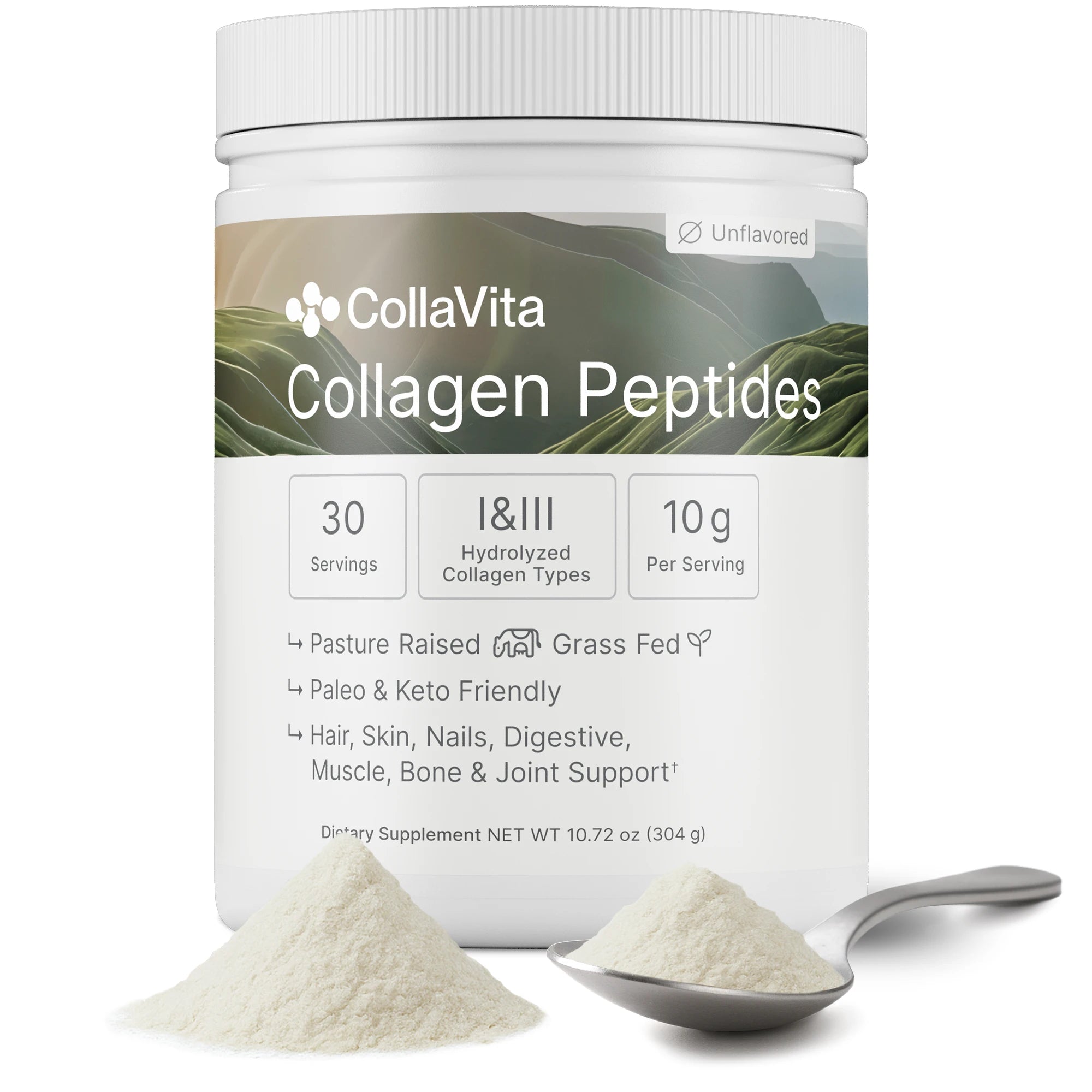
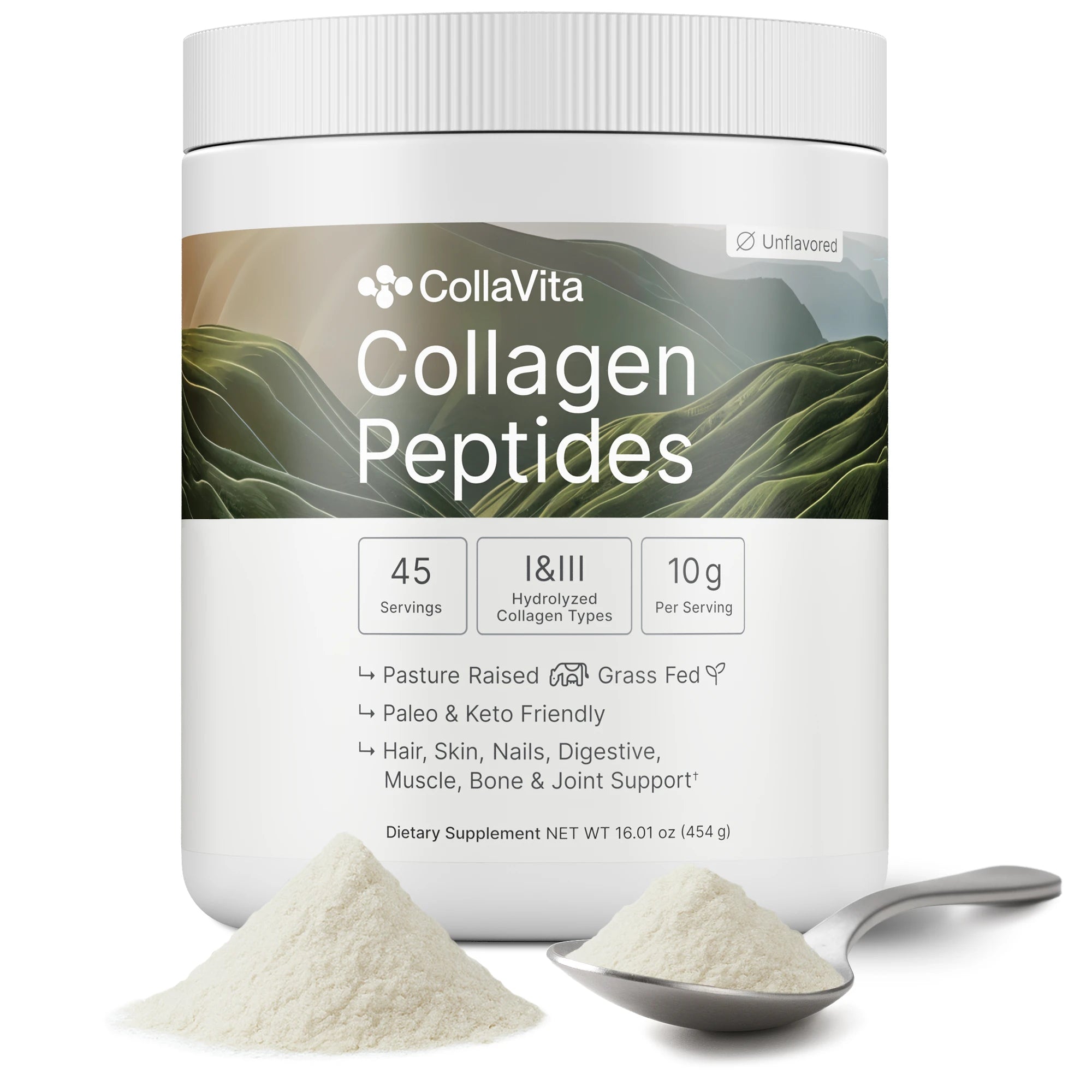
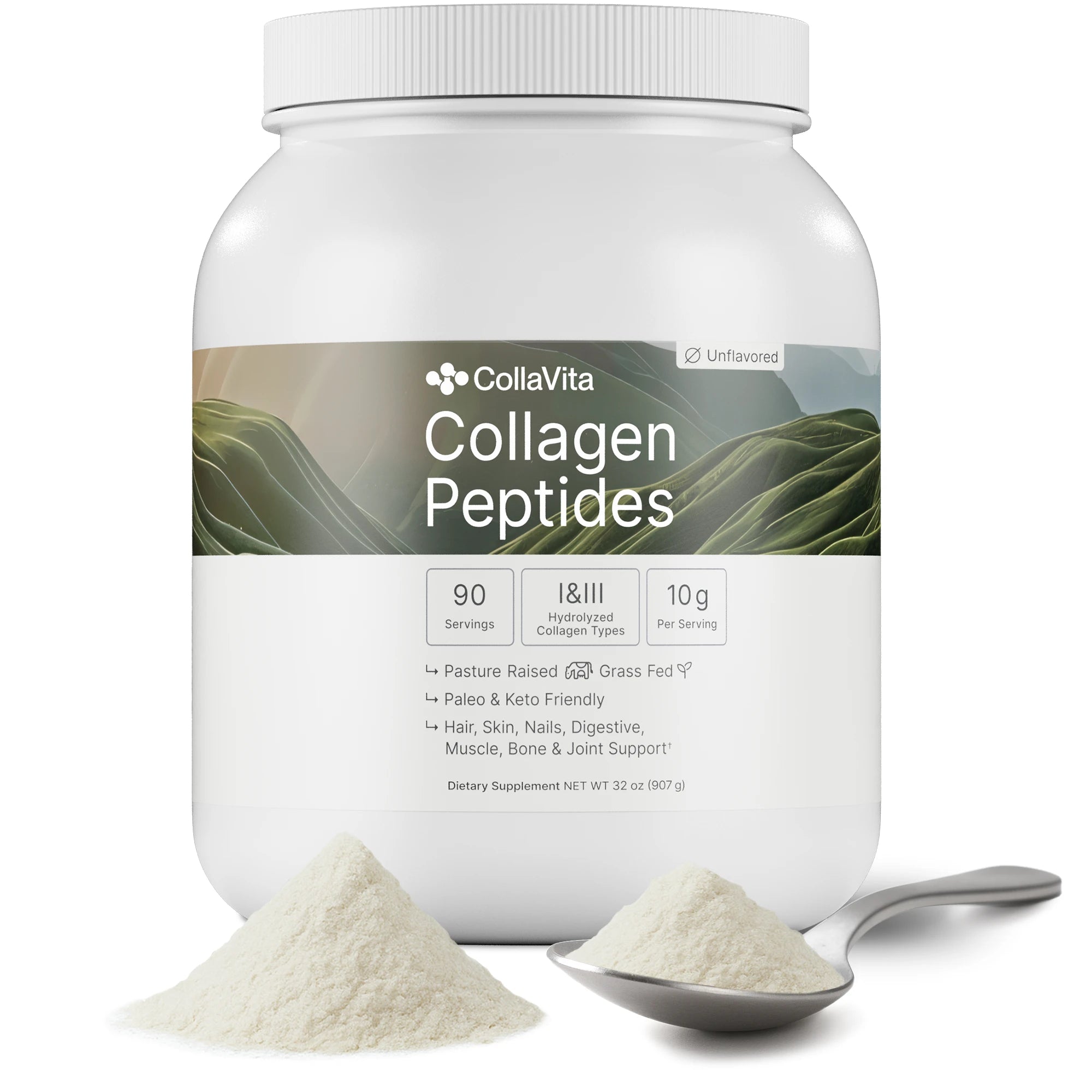
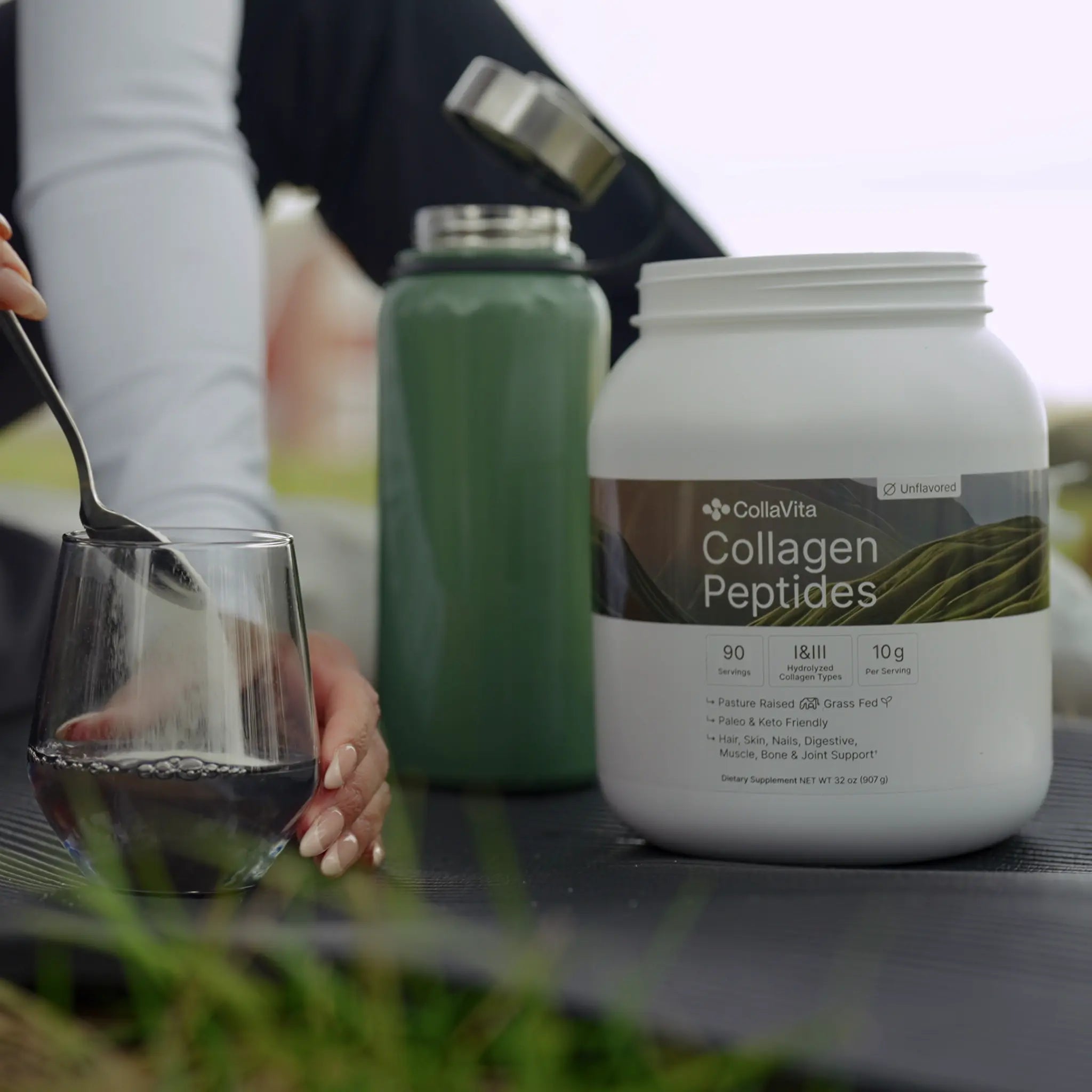
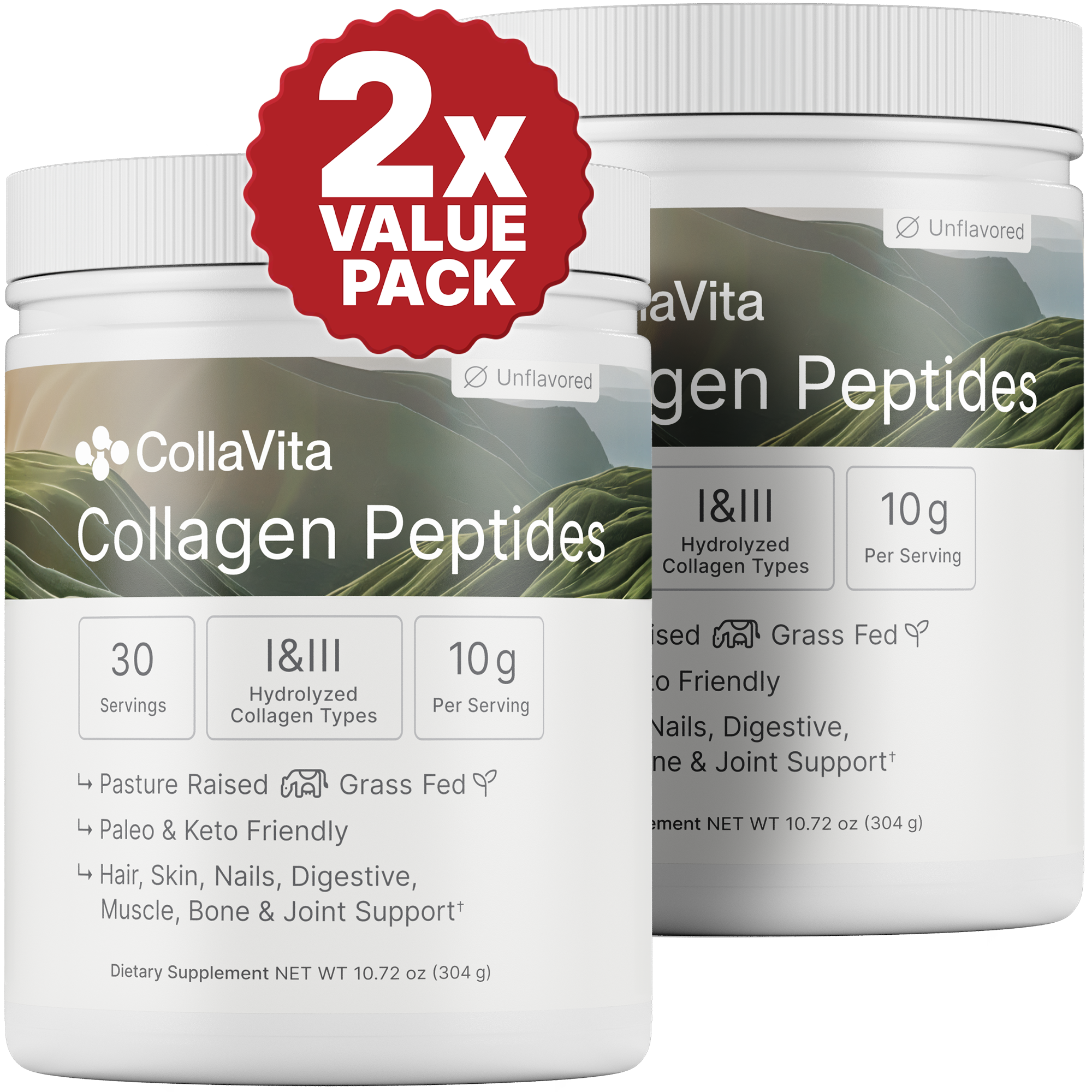
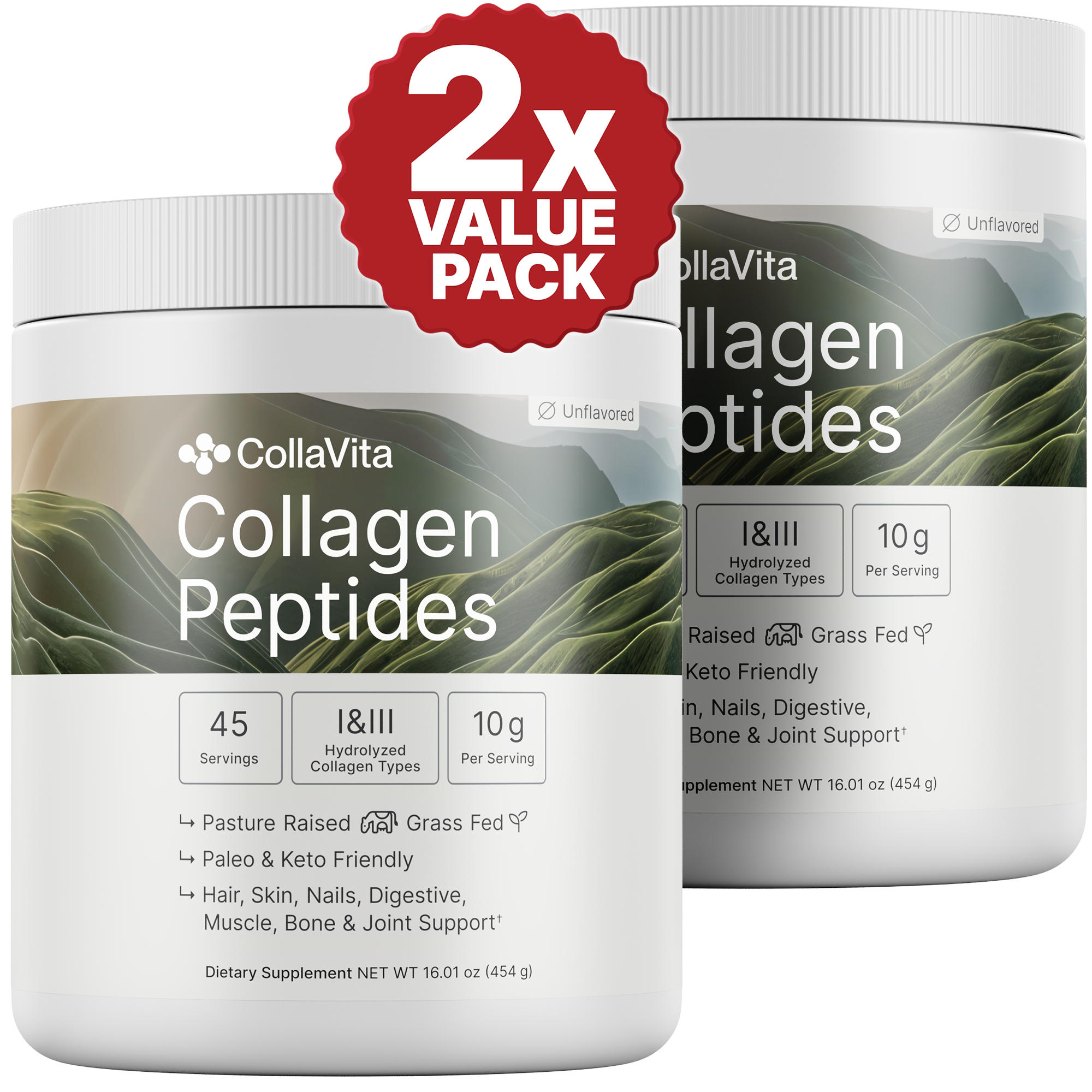
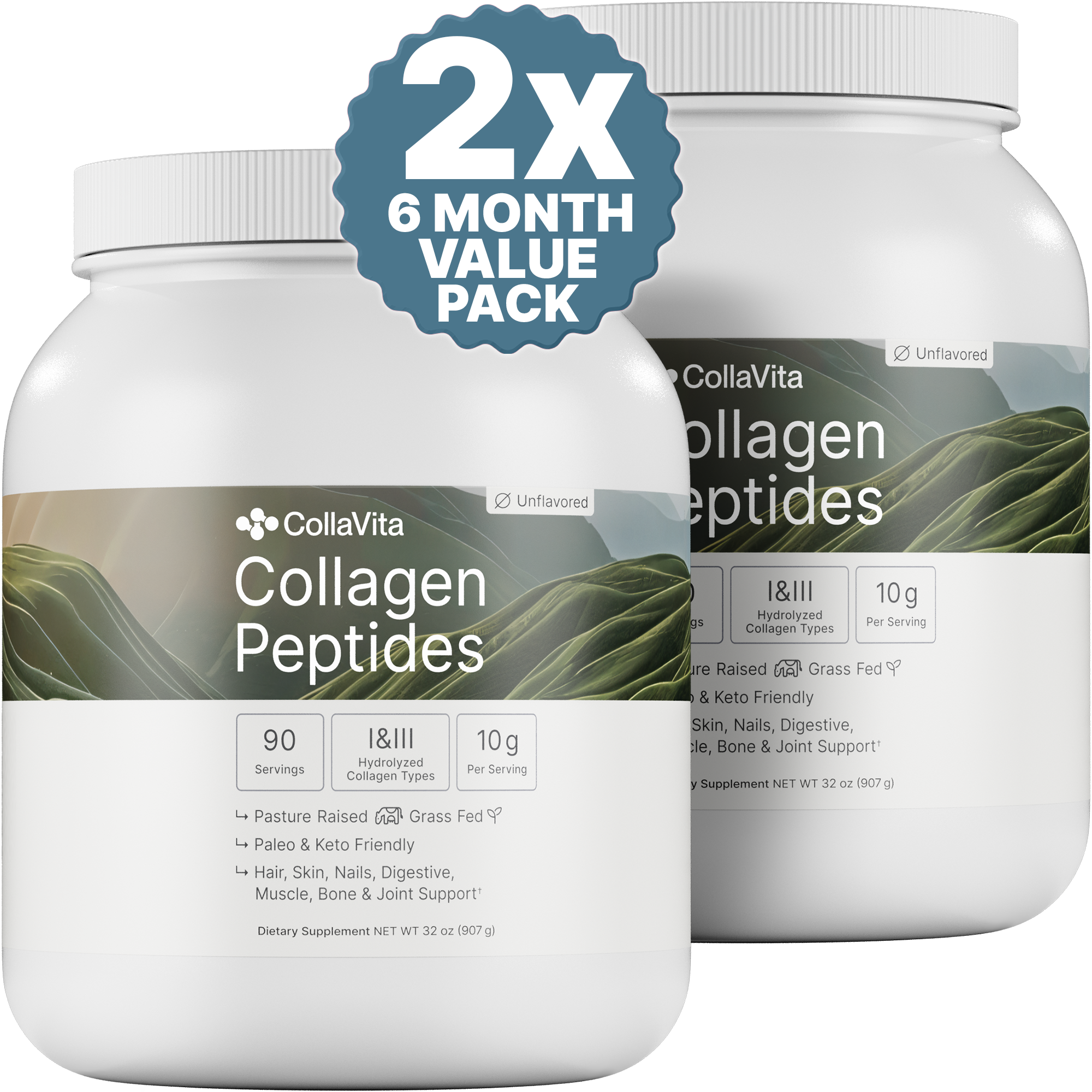
To experience the gut-healing benefits of collagen firsthand, discover our full collection of CollaVita Collagen powders and peptides designed to support gut repair and overall wellness.
Can Collagen Help Reduce Digestive Discomforts Like Bloating?
Yes, supplementing with collagen can help alleviate common digestive discomforts, including bloating and mild gut symptoms. This benefit is linked to collagen's ability to soothe the gut lining and promote healing.
Symptom Improvement: A 2022 human study published in JMIR Formative Research(3) found that a daily 20g collagen peptide supplement over 8 weeks resulted in 93% of participants experiencing a reduction in digestive symptoms, including bloating. This finding provides strong clinical support for the use of collagen in managing common gastrointestinal discomforts.
Soothing Effect: The high content of the amino acid Glycine in collagen contributes to its anti-inflammatory effects, which can help calm an irritated gut lining, a frequent cause of discomfort.
How Should I Incorporate Collagen for Optimal Gut Repair?
Incorporating hydrolyzed collagen peptides (also known as collagen powder) is the most effective method due to their superior absorption rate.
Recommended Forms and Sources
1.Hydrolyzed Collagen Peptides (Powder):
- Benefit: Broken down into smaller, easily digestible peptides, maximizing absorption and utilization by the body.
-
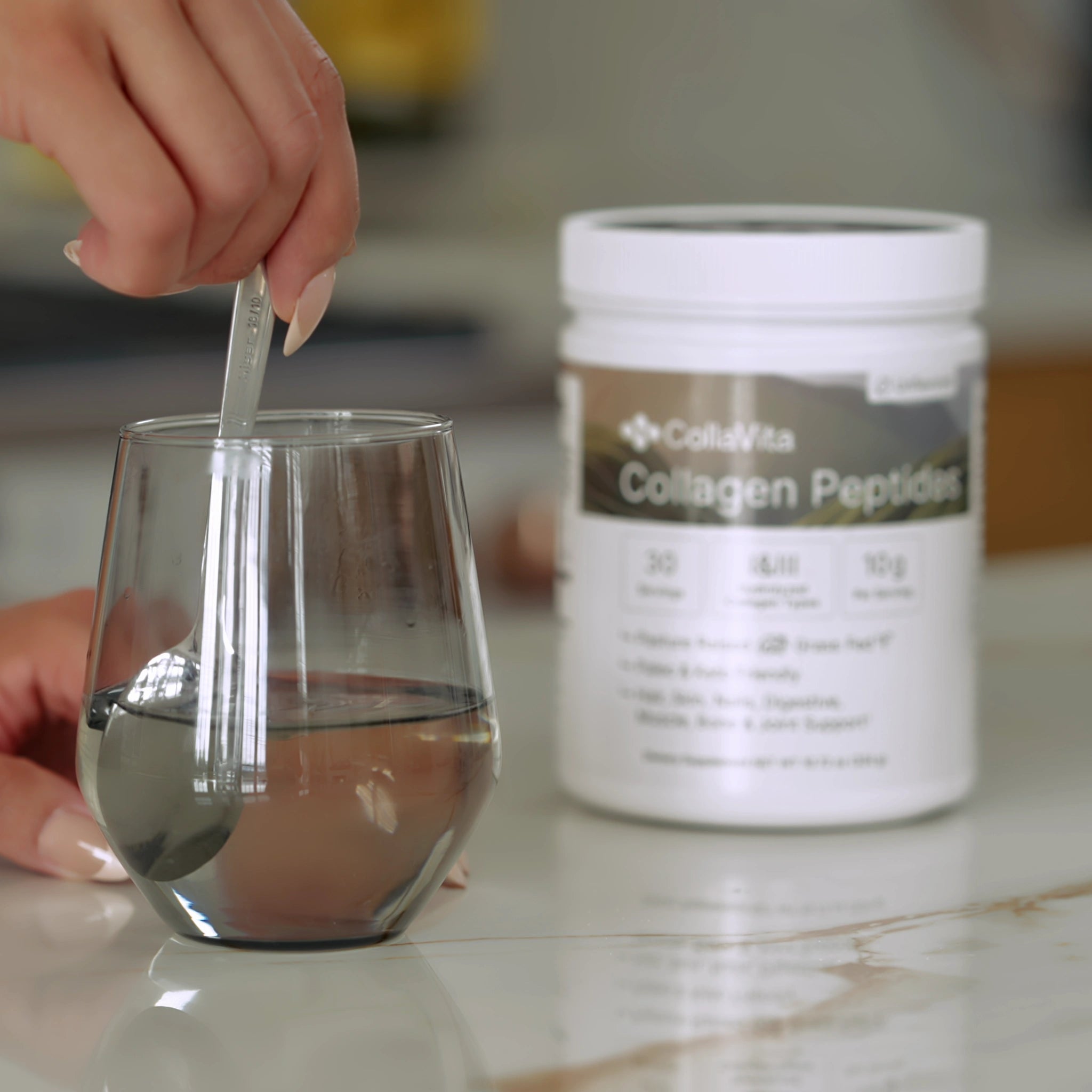
Usage: Easily mixed into water, coffee, smoothies, or food without altering taste.
- Benefit: A traditional source of natural collagen, gelatin, and minerals.
-
Usage: Can be consumed as a warm drink or used as a base for soups and stews.
- Bovine Collagen (Type I & III): Excellent for gut health, skin, and joints.
-
Marine Collagen (Type I): A pescatarian option, also beneficial for the gut lining.
Tips for Maximizing Collagen Benefits
- Consistency is Key: Collagen's effects on the gut are cumulative; consistent daily intake is necessary for noticeable repair and maintenance.
-
Pair with Vitamin C: Vitamin C is a crucial cofactor for collagen synthesis in the body. Consuming collagen with a source of Vitamin C (e.g., citrus fruits, berries) can enhance its effectiveness.
Is Collagen Safe, and What is the Recommended Dosage?
Collagen is generally considered safe for most people, with a common starting dosage of 5-10 grams daily.
Dosage and Safety Summary
| Aspect |
Detail |
Note |
| Typical Dosage |
5 to 10 grams per day |
Some studies use up to 20 grams daily for symptom improvement. |
| Potential Side Effects |
Mild digestive discomfort (e.g., bloating, fullness) or allergic reactions (rare). |
Start with a lower dose to assess tolerance. |
| Consultation |
Recommended for individuals who are pregnant, nursing, or taking medication. |
Always consult a healthcare provider before starting any new supplement regimen. |
Can Collagen and Probiotics Work Together for a Healthier Gut?
Yes, collagen helps strengthen the gut lining, while probiotics balance intestinal bacteria for better digestion and nutrient absorption. When used together, they can improve gut barrier function and reduce inflammation. Discover more about the best probiotic foods for gut health.
Is Protein Intake Important When Repairing the Gut?
Adequate protein is essential because amino acids are the building blocks of collagen and intestinal tissue. Combining collagen with a protein-rich diet supports faster repair and overall digestive health. Learn more in our guide on how much protein you need daily.
How Does Vitamin C Enhance Collagen’s Effect on the Gut?
Vitamin C plays a crucial role in collagen synthesis and helps maintain the integrity of the intestinal lining. Pairing your collagen supplement with vitamin C–rich foods or a targeted formula can significantly boost its impact. Explore the science behind it in Collagen with Vitamin C: A Comprehensive Guide.
SOURCES
(1) - Rao R, Samak G. Role of Glutamine in Protection of Intestinal Epithelial Tight Junctions. J Epithel Biol Pharmacol. 2012 Jan;5(Suppl 1-M7):47-54. doi: 10.2174/1875044301205010047. PMID: 25810794; PMCID: PMC4369670.
(2) - Chen Q, Chen O, Martins IM, Hou H, Zhao X, Blumberg JB, Li B. Collagen peptides ameliorate intestinal epithelial barrier dysfunction in immunostimulatory Caco-2 cell monolayers via enhancing tight junctions. Food Funct. 2017 Mar 22;8(3):1144-1151. doi: 10.1039/c6fo01347c. PMID: 28174772.
(3) - Abrahams M, O'Grady R, Prawitt J. Effect of a Daily Collagen Peptide Supplement on Digestive Symptoms in Healthy Women: 2-Phase Mixed Methods Study. JMIR Form Res. 2022 May 31;6(5):e36339. doi: 10.2196/36339. PMID: 35639457; PMCID: PMC9198822.