
Why Can Collagen Lead to Digestive Discomfort?
| Potential Cause | Explanation | Solution |
|---|---|---|
| Inadequate Hydration | Collagen is a protein that requires extra water for proper digestion and absorption. Insufficient fluid intake can lead to harder, more difficult-to-pass stools. | Increase daily water intake, especially when consuming the supplement. |
| High Calcium Content | Certain collagen sources, particularly marine collagen derived from shellfish or shark cartilage, can contain high levels of calcium. Excessive calcium intake can slow down bowel movements in sensitive individuals. | Consider switching to a bovine or poultry-sourced collagen, which typically has a lower calcium profile. |
| Dosage Shock | Introducing a large dose of any new protein supplement to the digestive system too quickly can overwhelm it, leading to temporary digestive upset. | Begin with a half-dose and gradually increase to the full recommended serving over a week or two. |
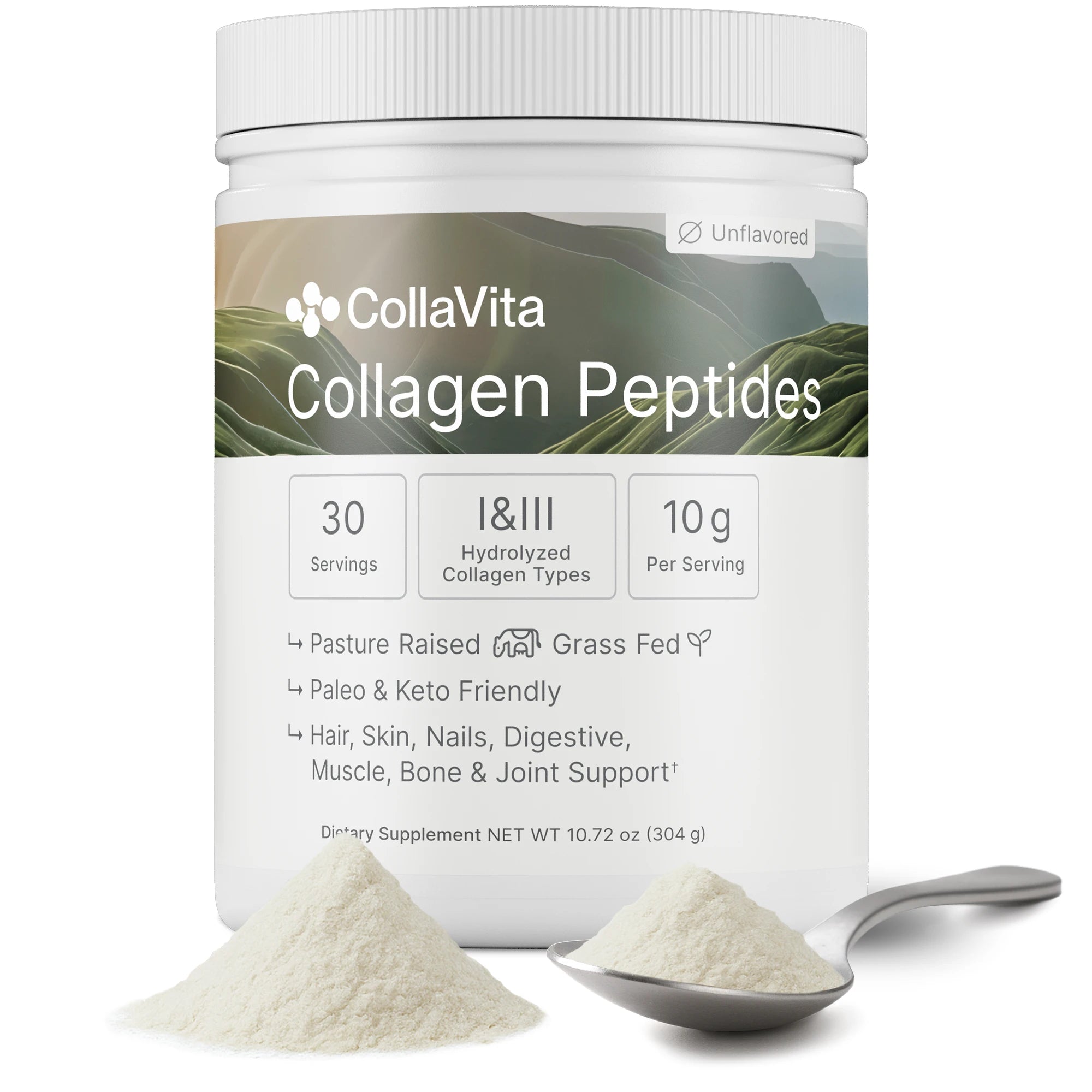
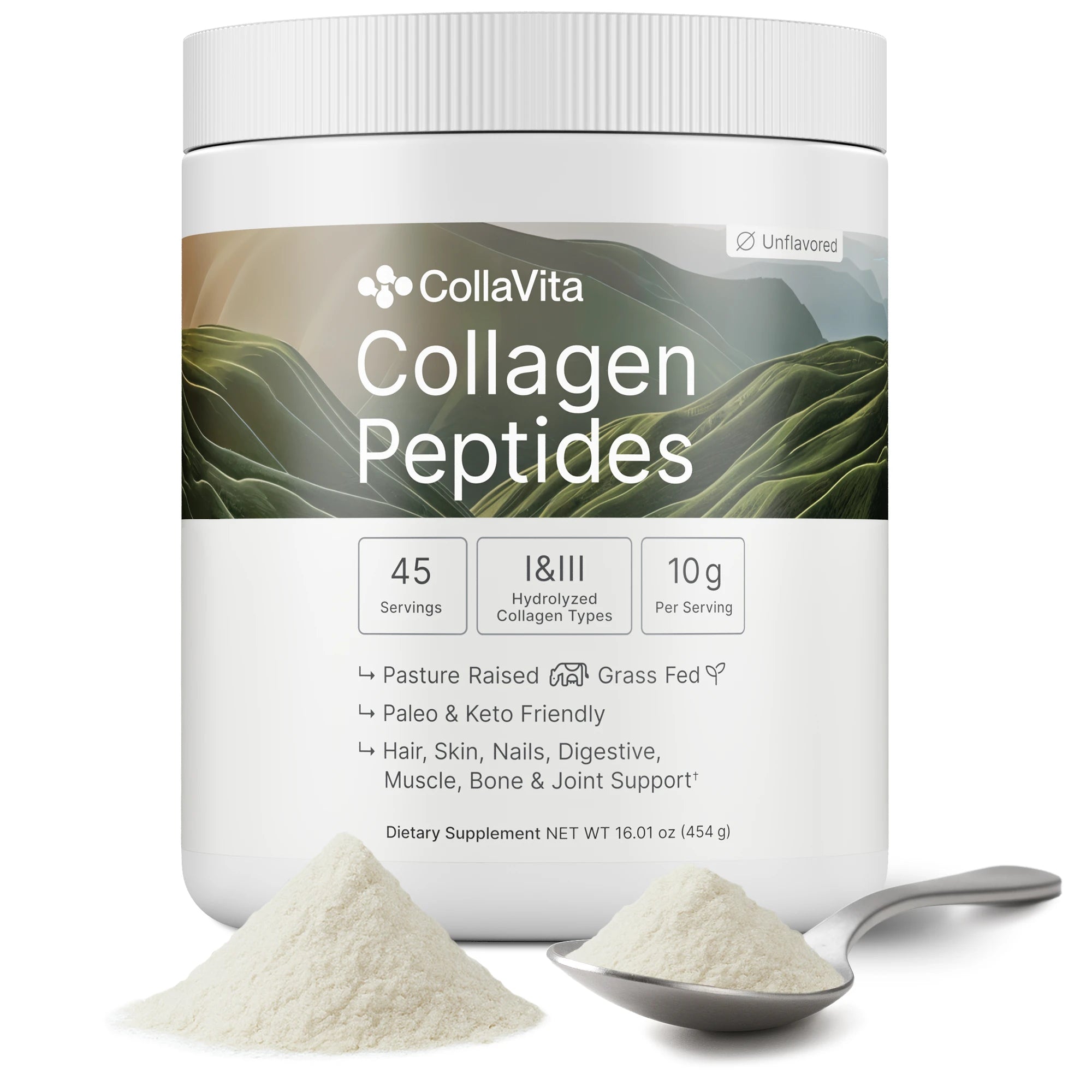
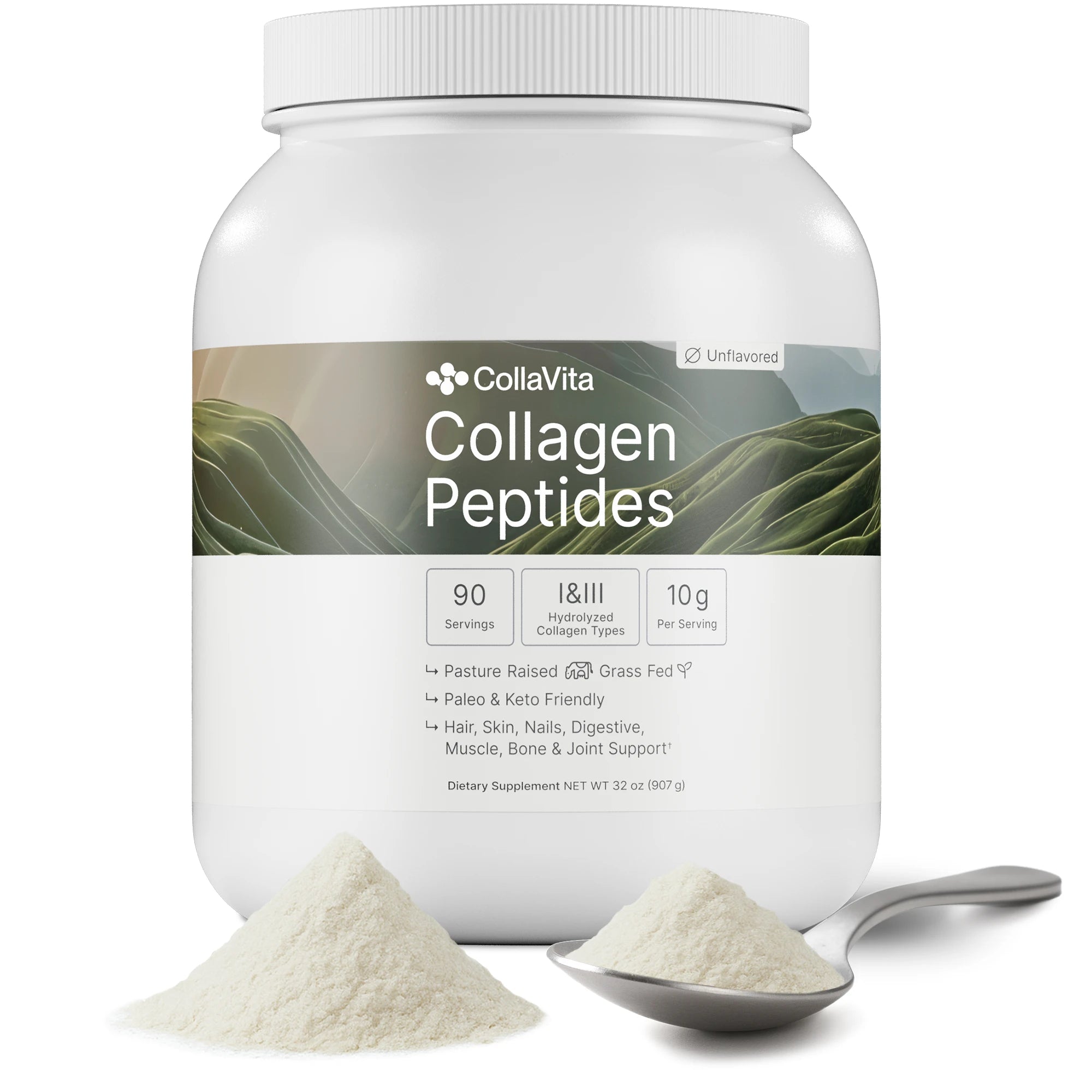
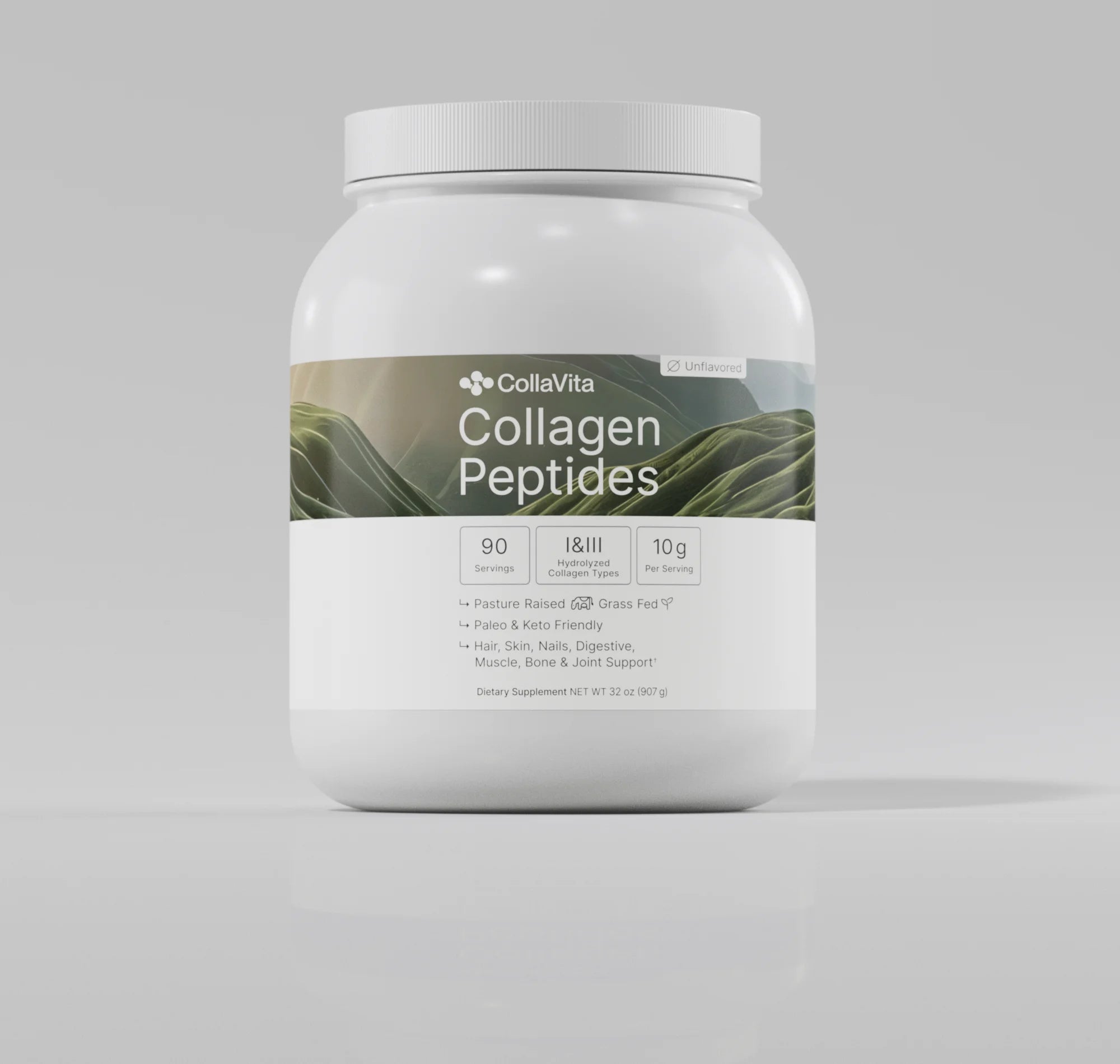
| Additives and Fillers | Some flavored collagen products contain artificial sweeteners, thickeners, or other fillers that can trigger digestive upset or bloating in sensitive users. | Choose a pure, unflavored collagen peptide powder with minimal ingredients. |
How Does Collagen Interact with Gut Health?
What Are the Best Ways to Prevent Collagen-Related Constipation?
- Hydrate Aggressively: Make a conscious effort to drink a full glass of water with your collagen and maintain high fluid intake throughout the day. This is the single most effective strategy for preventing collagen-related constipation .
- Boost Your Fiber: Fiber is essential for adding bulk to stool and promoting regularity. Ensure your diet is rich in fruits, vegetables, and whole grains, or consider pairing your collagen with a fiber-rich food or supplement.
- Split the Dose: If you are taking a large daily serving (e.g., 20 grams or more), try splitting it into two smaller doses one in the morning and one in the evening to ease the digestive load.
- Move Your Body: Regular physical activity stimulates the muscles in your intestines, helping to move waste through your system more efficiently.
Key Takeaways
Which type of collagen is easiest to digest?
Hydrolyzed collagen peptides are generally the easiest form to digest because they are broken down into smaller amino acid chains. If digestive comfort is your priority, this form is usually best tolerated.
How much collagen should I take to avoid digestive discomfort?
Taking too much collagen too quickly can overwhelm the digestive system. Starting with a lower dose and gradually increasing is key. Learn how to personalize your intake here: How Much Collagen to Take Daily?
What is the best time of day to take collagen for digestion?
Some people find collagen easier to tolerate when taken with meals or split into smaller doses throughout the day. Timing strategies are explained in detail in this guide: Best Time to Take Collagen for Maximum Benefits.
Can probiotics help relieve constipation?
Yes. Probiotics can help relieve constipation by improving gut bacteria balance, which supports regular bowel movements and better stool consistency. Certain strains enhance intestinal motility and water retention in stool, making digestion smoother. Learn more about probiotic-rich foods here: Discover the Power of Probiotics: Foods, Benefits, and Collagen Combination.
Scientifically Reviewed by Omer (Matt) Sermet