Is Collagen Halal? Everything You Need to Know About Halal Certification

Date: January 26, 2026 | Scientifically Reviewed by Omer Matt Sermet

When choosing a collagen supplement, many consumers prioritize not only the health benefits but also their religious and ethical values. For those following a halal diet, the question "Is collagen halal?" is of paramount importance. This guide explores the intricacies of halal collagen, the significance of certification, and how to ensure your supplements align with your dietary requirements.

Is Collagen Halal? Everything You Need to Know About Halal Certification

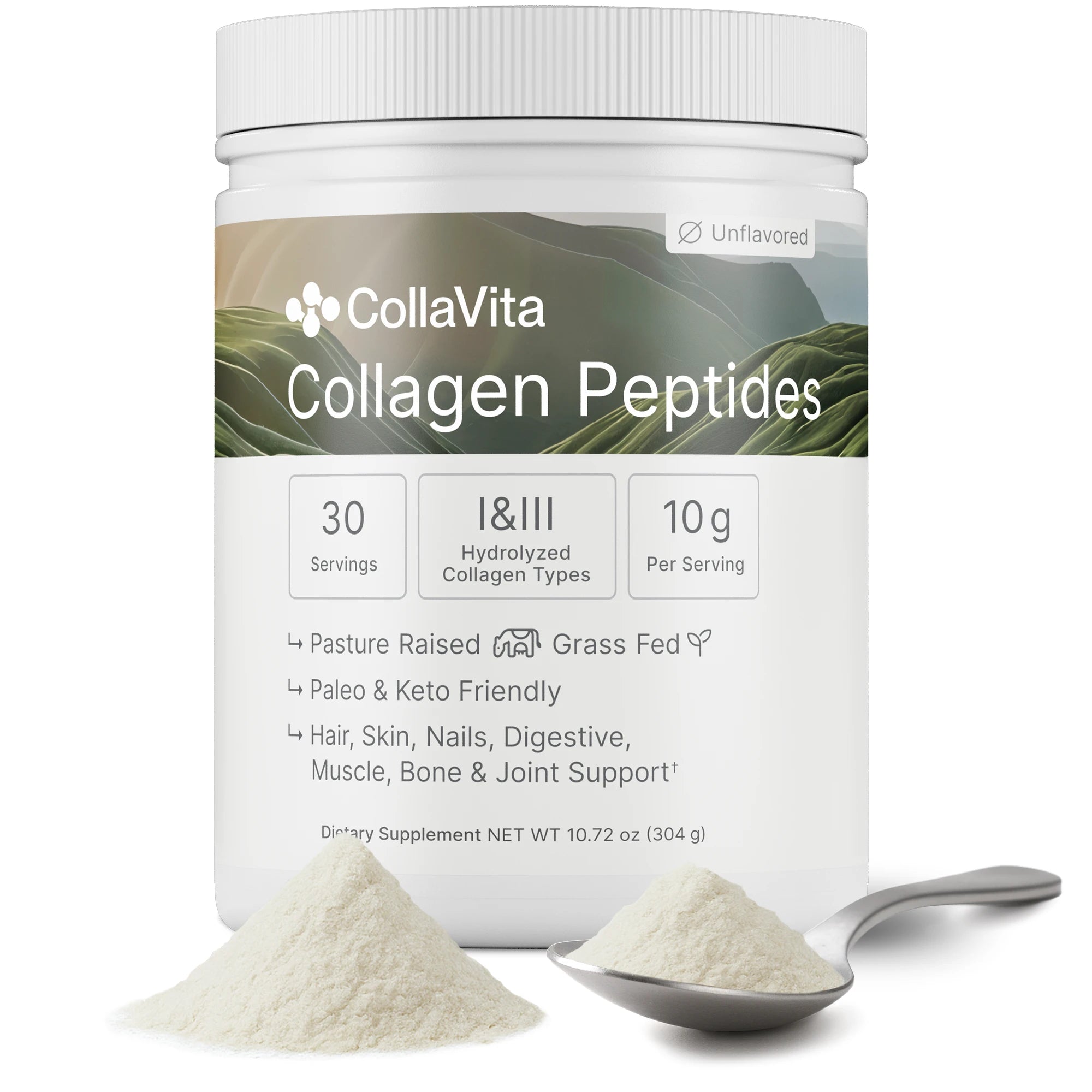
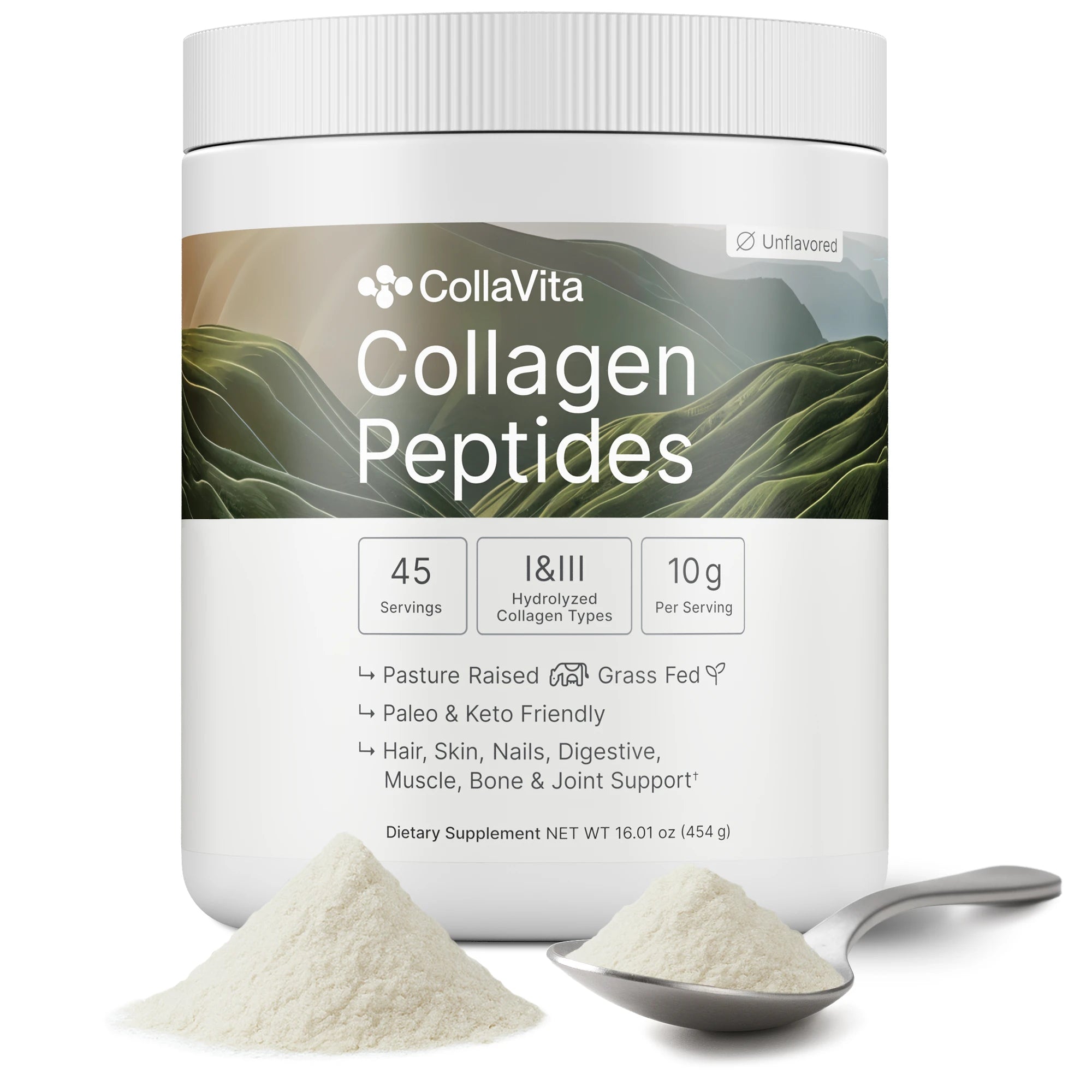
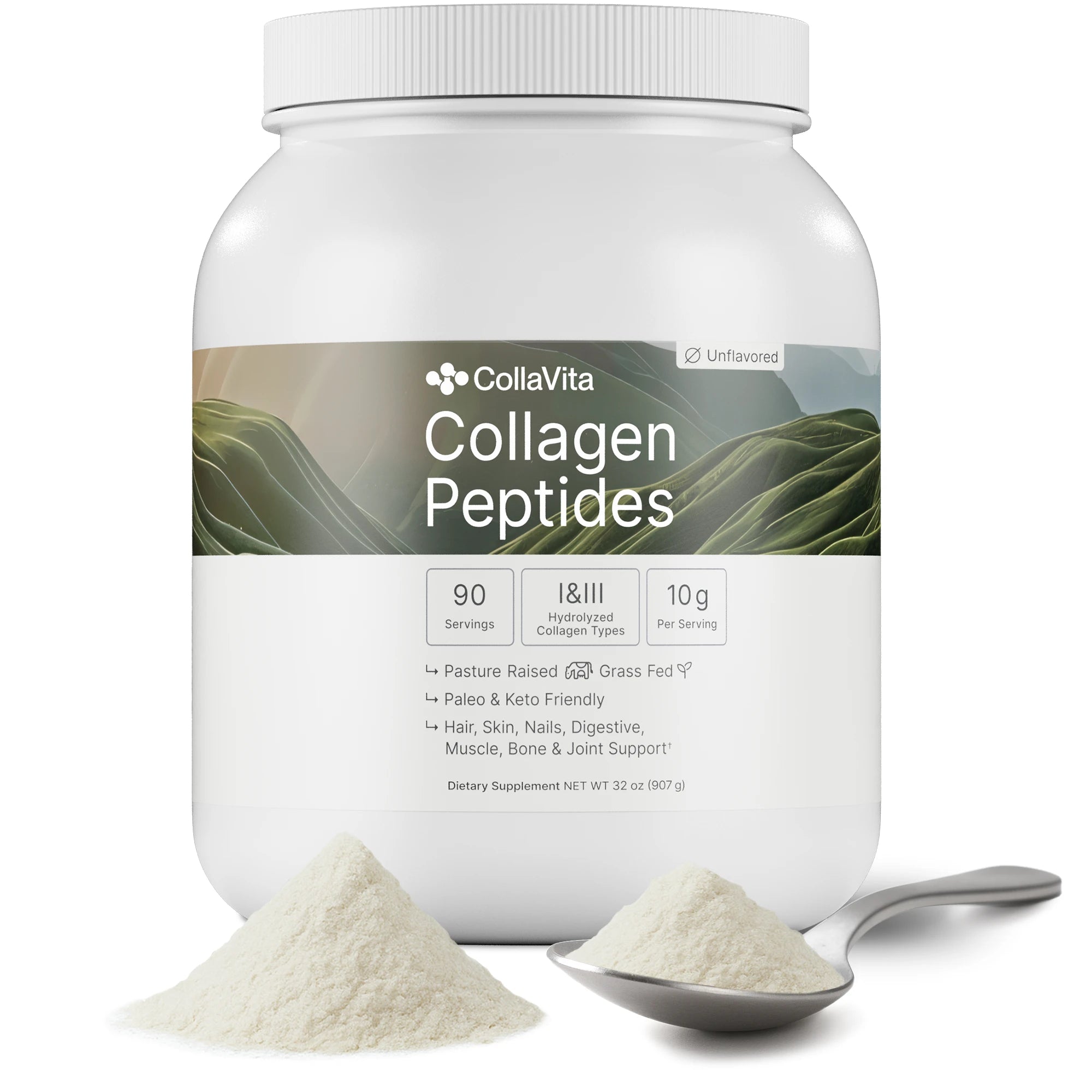
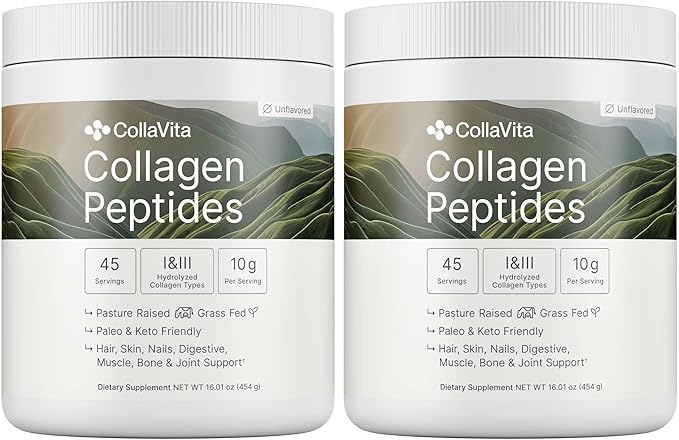
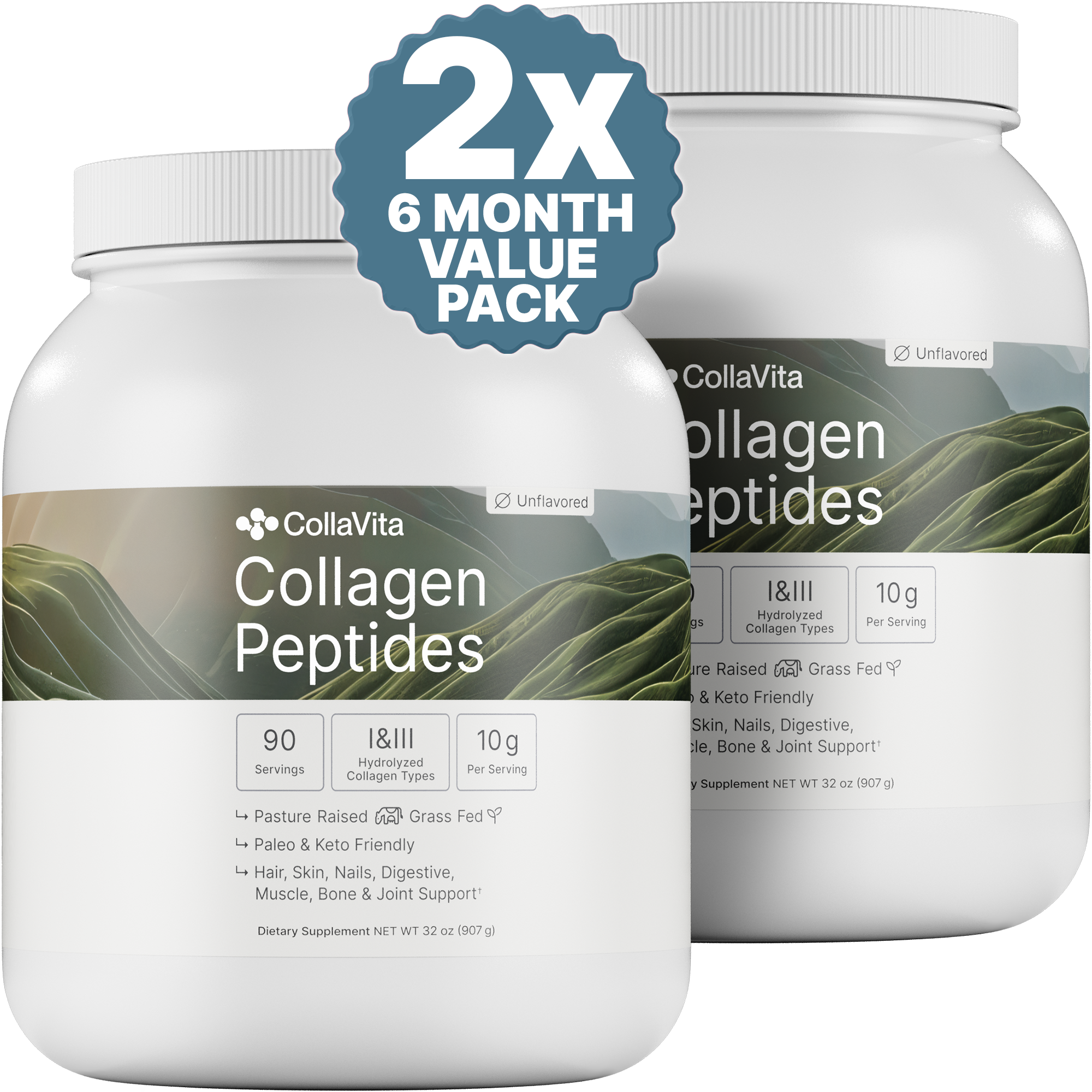
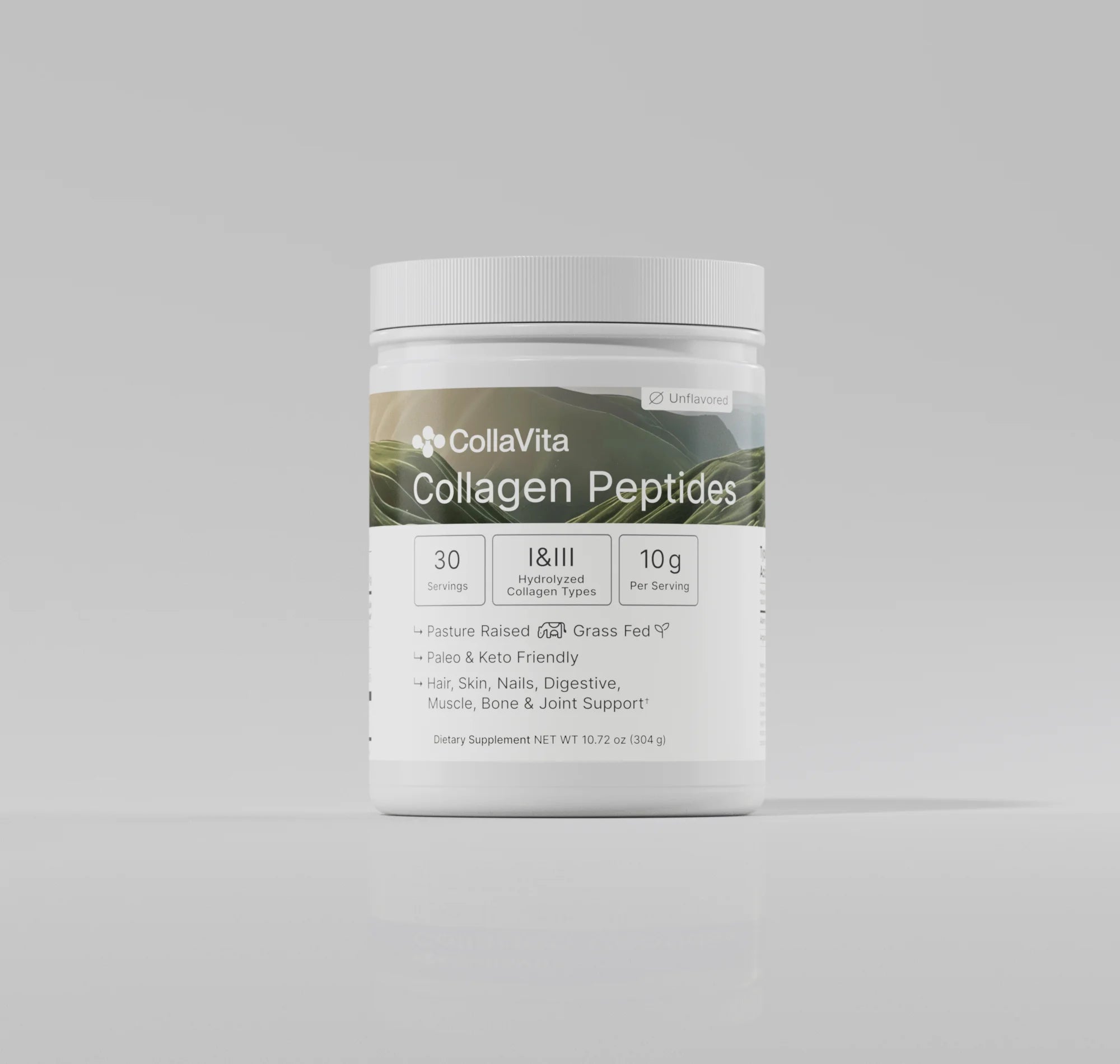
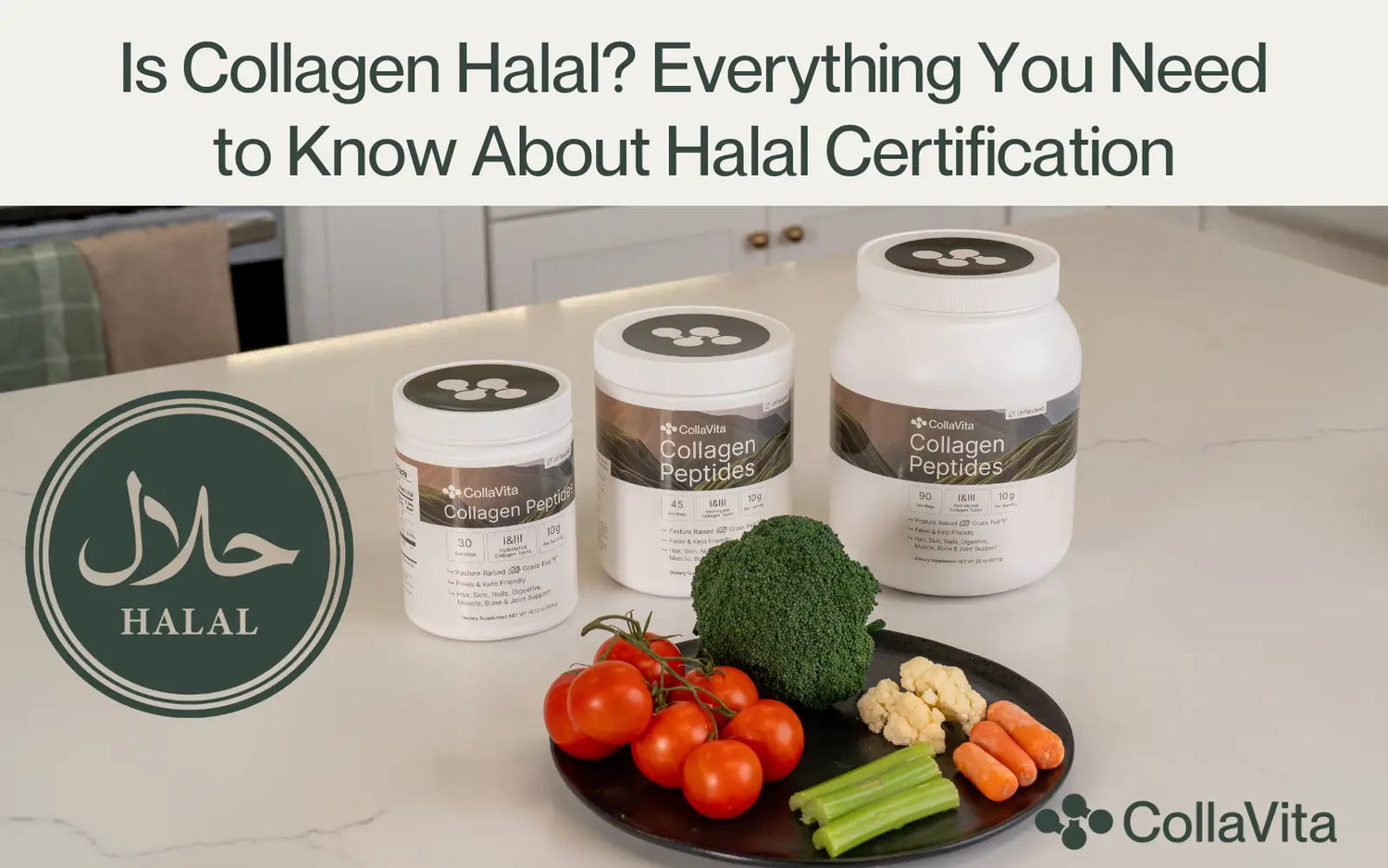
CollaVita Collagen Peptides containers displayed on a kitchen counter with vegetables, halal certification icon, and headline ‘Is Collagen Halal?

What makes collagen halal?

Collagen is considered halal when it is sourced from permissible animals and processed according to Islamic dietary laws. Since collagen is a protein derived from the connective tissues, bones, and skins of animals, its halal status depends entirely on the source and the method of extraction. For a collagen product to be truly halal, it must meet three primary criteria:
  1. Permissible Source: The collagen must come from animals allowed in Islam, such as cows (bovine), fish (marine), or poultry. Porcine (pig) sources are strictly forbidden (haram).
  2. Islamic Slaughter (Zabiha): For land animals like cows or chickens, the animal must be slaughtered according to Islamic rites. This involves a specific method that ensures the animal is treated humanely and the blood is fully drained.
  3. Pure Processing: The manufacturing process must be free from cross-contamination with haram substances, such as alcohol-based solvents or non-halal additives.

Why is halal certification important for collagen?

Halal certification provides a guarantee that a product has been independently audited and verified to meet strict Islamic standards. Without a certification from a reputable body, it is nearly impossible for a consumer to know if the bovine collagen in their supplement was sourced from a halal-slaughtered animal or if the production line was shared with non-halal products.

Is marine collagen always halal?

Marine collagen is generally considered halal because most Islamic schools of thought view all seafood as permissible. Unlike land animals, fish do not require a specific ritual slaughter to be considered halal. However, "generally halal" does not mean "automatically certified."
While the source is permissible, the processing of marine collagen can still involve non-halal elements. For instance, some manufacturers use enzymes or processing aids that may not be halal-compliant. Furthermore, marine collagen products are often produced in facilities that handle other animal products. Therefore, even for marine collagen, looking for a halal logo is the best way to ensure total purity.

How can you identify halal-certified collagen?

You can identify certified collagen by looking for the official seal of recognized certification bodies on the product packaging. For those seeking both Halal and Kosher compliance, it is essential to look for both the Halal seal and a recognized Kosher symbol. These organizations are globally respected for their stringent auditing processes.
Certification Body
Region
Recognition
IFANCA
Global / USA
One of the most widely recognized halal certifiers in the world.
JAKIM
Malaysia
The gold standard for halal certification in Southeast Asia.
HMC (Halal Monitoring Committee)
UK
A highly trusted body for consumers in the United Kingdom.
ISA (Islamic Services of America)
North America
Provides comprehensive halal auditing for various industries.
OU (Orthodox Union)
Global / USA
One of the most recognized Kosher certification symbols worldwide.
Always check the brand's website for a "Halal Certificate" page, as many reputable companies like CollaVita make their certifications transparently available to customers.

What are the differences between bovine and marine halal collagen?

The differences between bovine and marine halal collagen lie primarily in their source, their specific health benefits, and the complexity of their halal verification.
Feature
Halal Bovine Collagen
Halal Marine Collagen
Primary Source
Cow hides and bones
Fish skin and scales
Collagen Types
Mostly Type I and Type III
Mostly Type I
Main Benefits
Skin, hair, nails, and gut health
Superior skin elasticity and hydration
Halal Complexity
Requires ritual slaughter (Zabiha)
Naturally permissible source
Absorption
Good bioavailability
Higher bioavailability (smaller peptides)

Does CollaVita Collagen meet both Halal and Kosher requirements?

Yes, CollaVita Collagen is proud to be certified by both Halal and Kosher certification bodies, offering the highest level of assurance for consumers with specific religious dietary needs. Achieving this dual certification is a testament to the brand's commitment to purity, transparency, and strict adherence to global standards.
The Halal certification confirms that the collagen source and the entire manufacturing process are free from prohibited substances and comply with Islamic dietary laws, including the proper sourcing of any bovine materials.
The Kosher certification further verifies that the product adheres to the strict dietary laws of Judaism, ensuring that all ingredients and processing methods meet the required standards.
This dual certification means that CollaVita Collagen is a trusted choice for a wide range of consumers seeking high-quality, ethically sourced, and religiously compliant supplements.


Scientifically Reviewed by Omer (Matt) Sermet

Other Blog Posts

View all
A spoon adding collagen powder into a glass of coffee beside a jar of CollaVita Collagen Peptides, coffee beans, and a croissant, illustrating collagen coffee benefits and usage.

Collagen Coffee: Benefits, Side Effects & How-To Guide 2026

In the ever-evolving landscape of health and wellness, collagen coffee has emerged as a popular trend, promising to blend your daily caffeine fix with a powerful boost for your body. This innovativ...

Image of a person holding their stomach while holding a roll of toilet paper, illustrating the question of whether collagen can cause constipation for CollaVita content.

Can Collagen Cause Constipation?

Collagen is widely known for its benefits to skin, joints, and overall wellness, but some people notice digestive discomfort most commonly constipation after adding it to their routine. This reacti...

CollaVita Collagen Peptides containers displayed on a kitchen counter with vegetables, halal certification icon, and headline ‘Is Collagen Halal?

Is Collagen Halal? Everything You Need to Know About Halal Certification

When choosing a collagen supplement, many consumers prioritize not only the health benefits but also their religious and ethical values. For those following a halal diet, the question "Is collagen ...