
Why Should We Consume More Water in Winter?
Although the feeling of thirst decreases in winter, our body continues to lose moisture through different ways. Therefore, neglecting hydration in winter is vital:
- Transepidermal Water Loss: Dry and cold air causes water to evaporate from the body even when breathing.
- Heating Systems: High heating systems in indoor areas reduce the humidity in the environment, leading to skin dryness.
- Circulation and Toxin Removal: Adequate water intake supports blood circulation, helping to transport nutrients to your skin and facilitating the removal of toxins.
- Strengthening the Moisture Barrier: Water reaches the lower layers of the skin, strengthening the moisture barrier affected by cold and dryness.
What is the Relationship Between Skin Moisture and Collagen?
The skin's ability to retain moisture largely depends on its structure. The main structural components that keep moisture inside the skin are the powerful duo of collagen with hyaluronic acid and other essential proteins. Collagen acts as a scaffold in the dermis layer of the skin, giving the skin plumpness and firmness.
Key Roles of Collagen on Skin Moisture:
- Binding Water Molecules: Collagen binds water molecules, allowing the skin to retain moisture for a longer period.
- Structural Support: It gives the skin plumpness and firmness, making it harder for moisture to escape.
- Resistance to Winter Dryness: As we age and in harsh seasonal conditions like winter, natural collagen production slows down. This reduces the skin's moisture retention capacity.
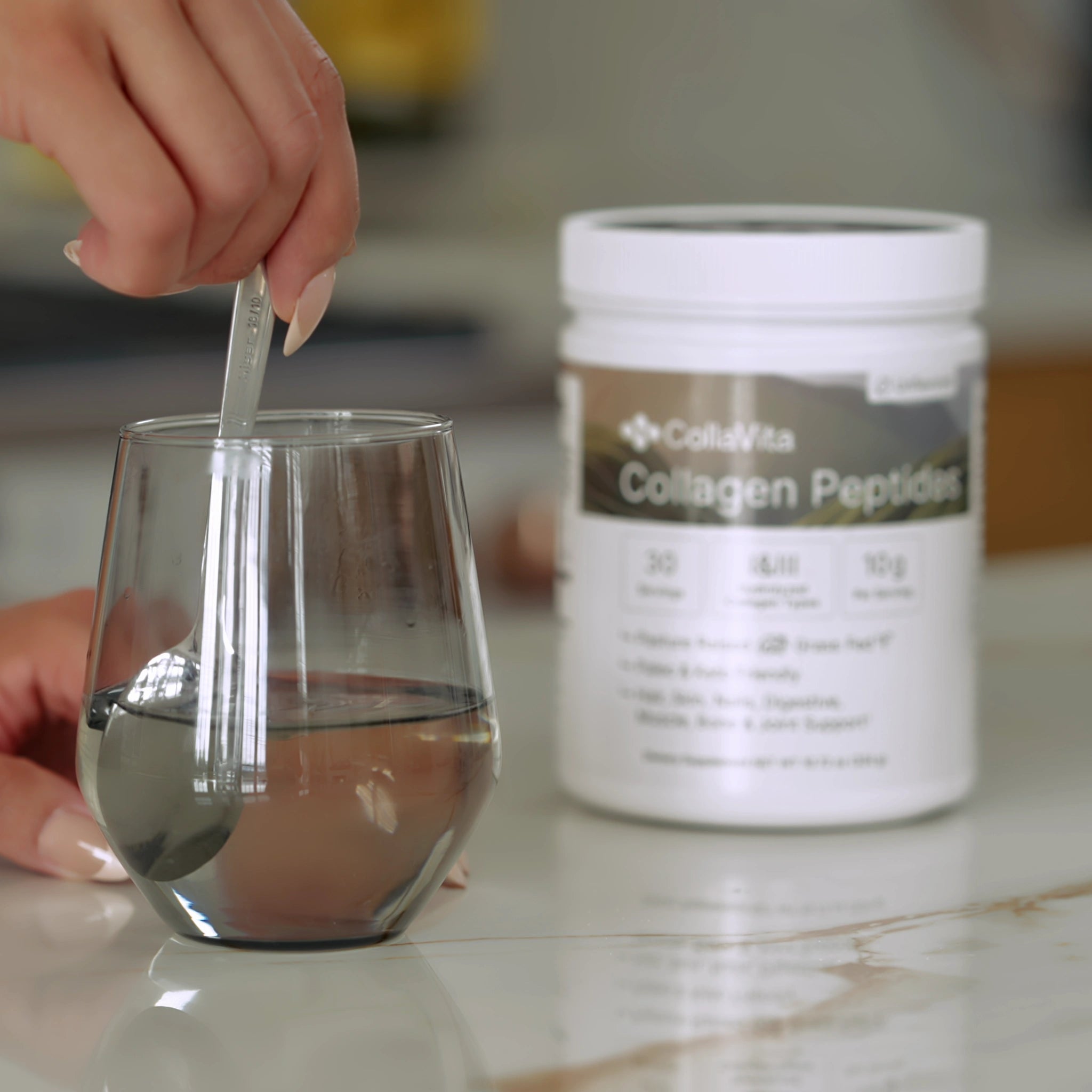
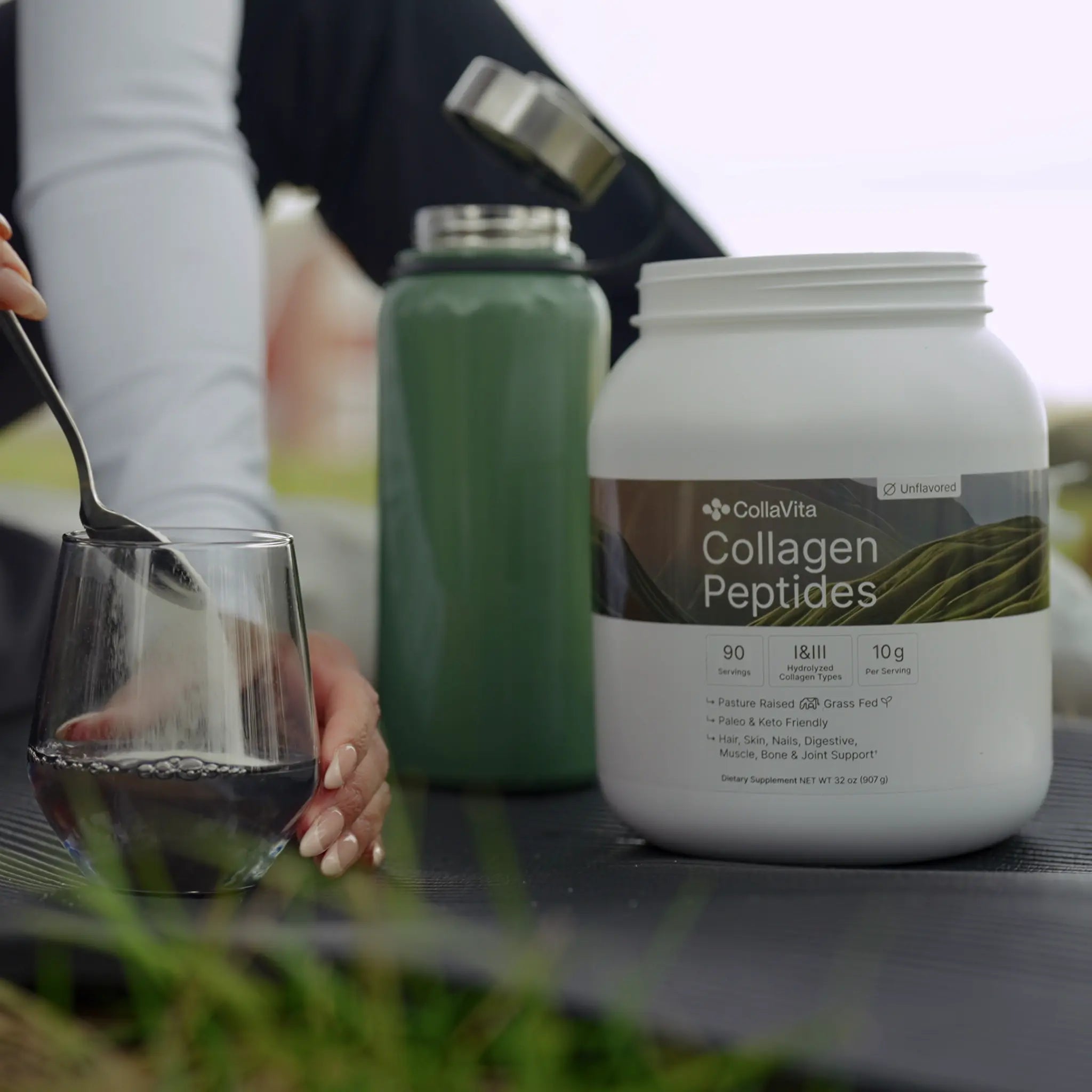
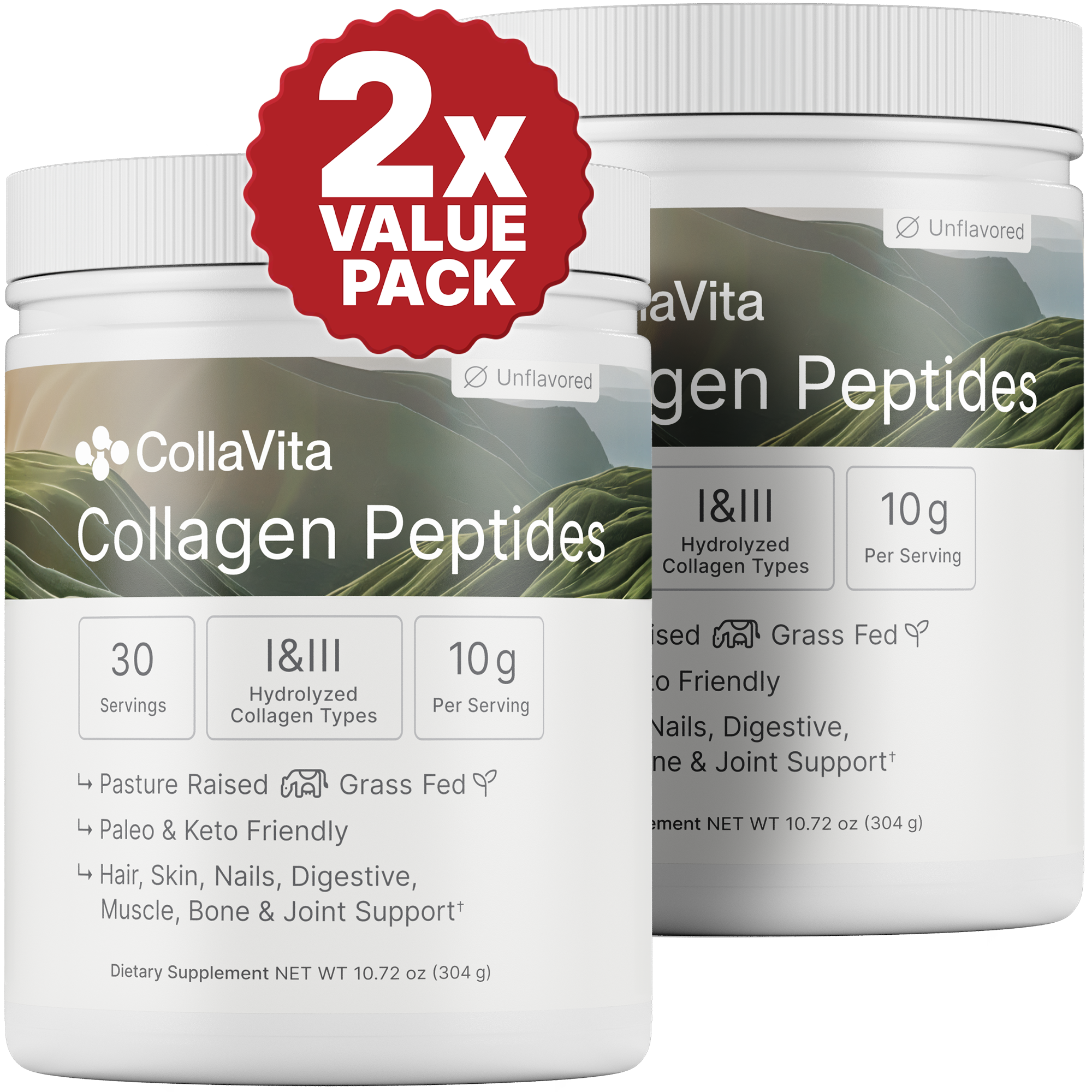
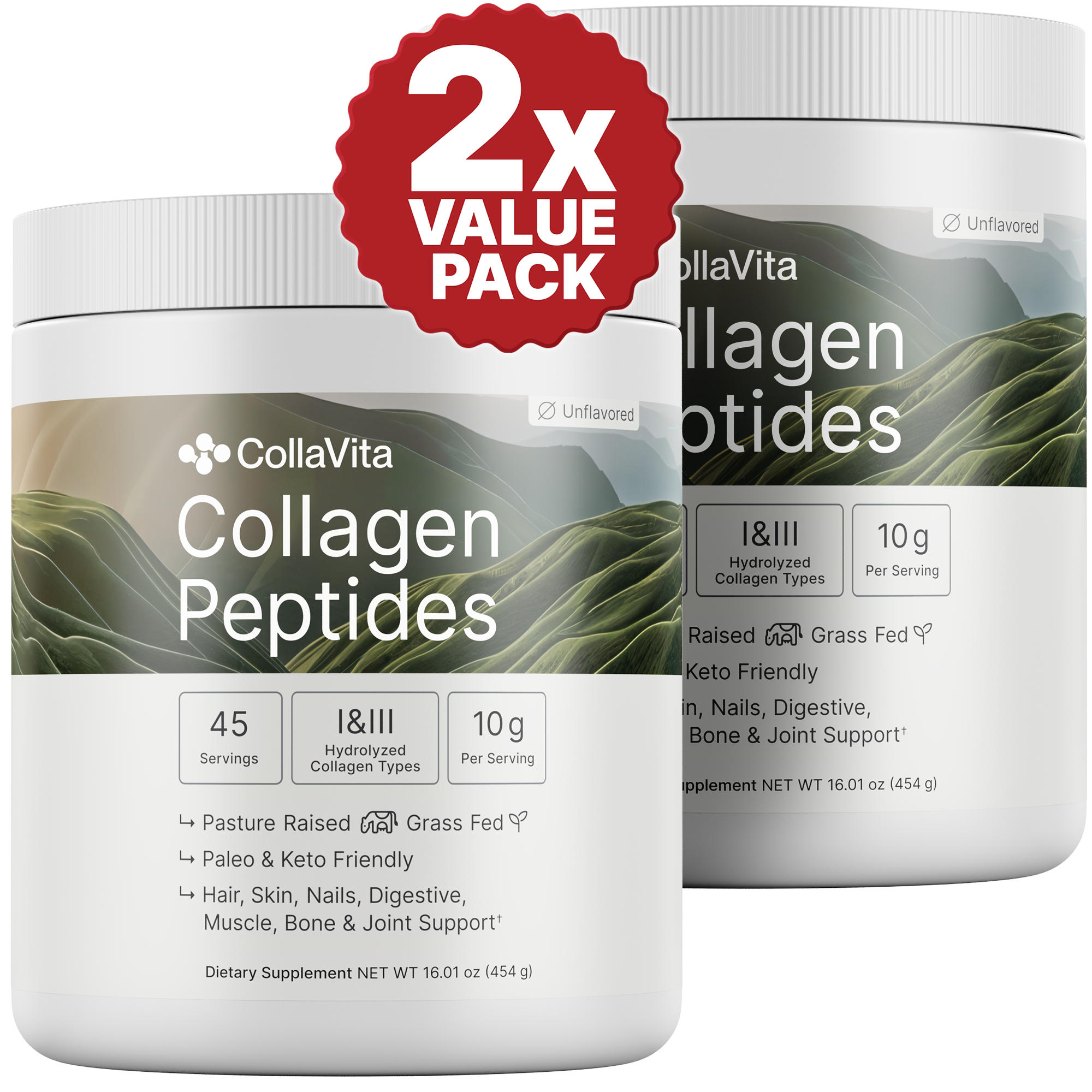
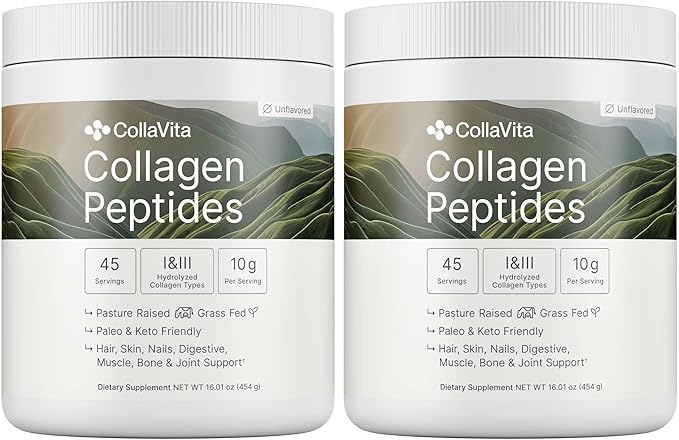
- Internal Support: Taking a collagen supplement to support the skin's internal hydration is a natural way to strengthen the moisture barrier and make the skin look plumper and more resistant to the cold.
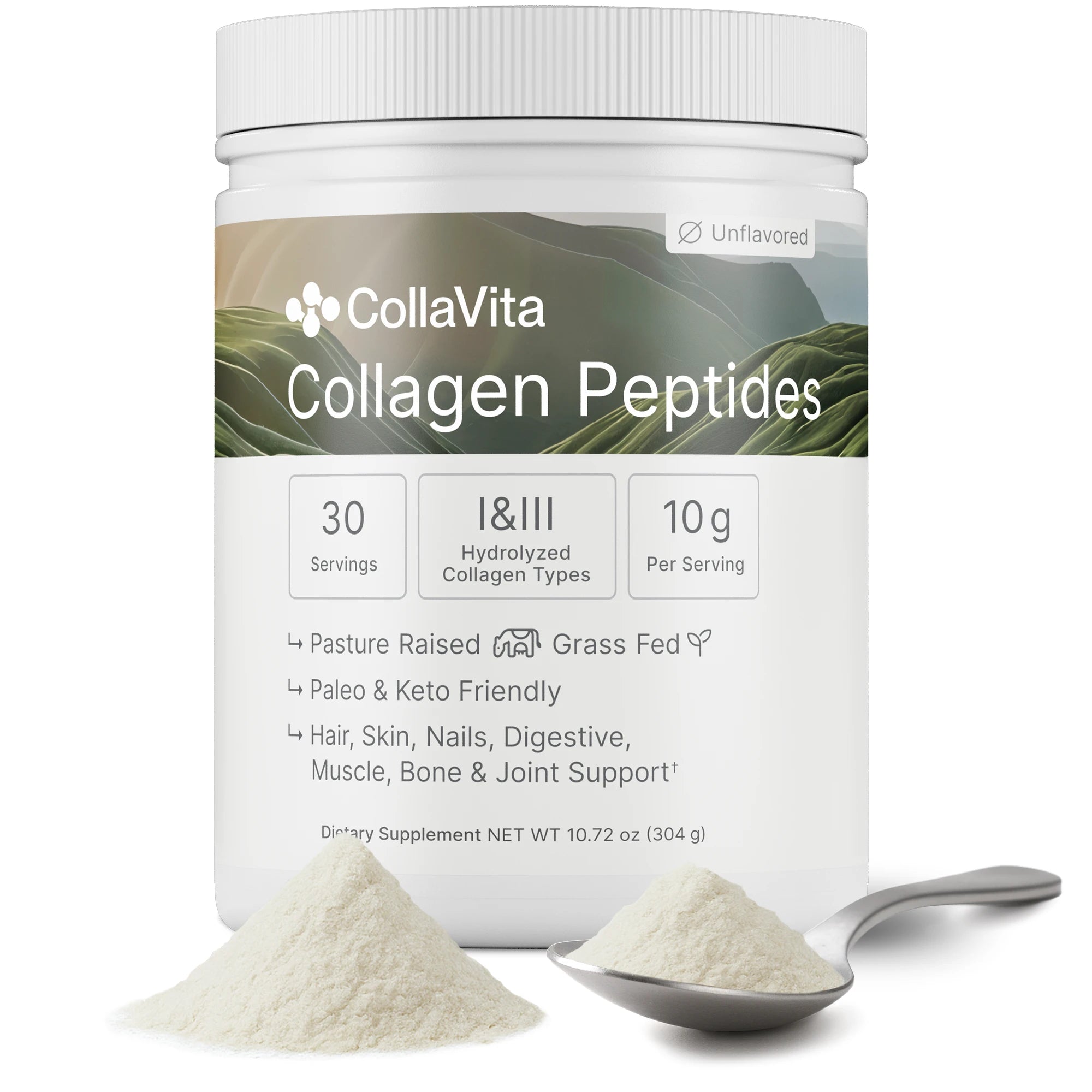
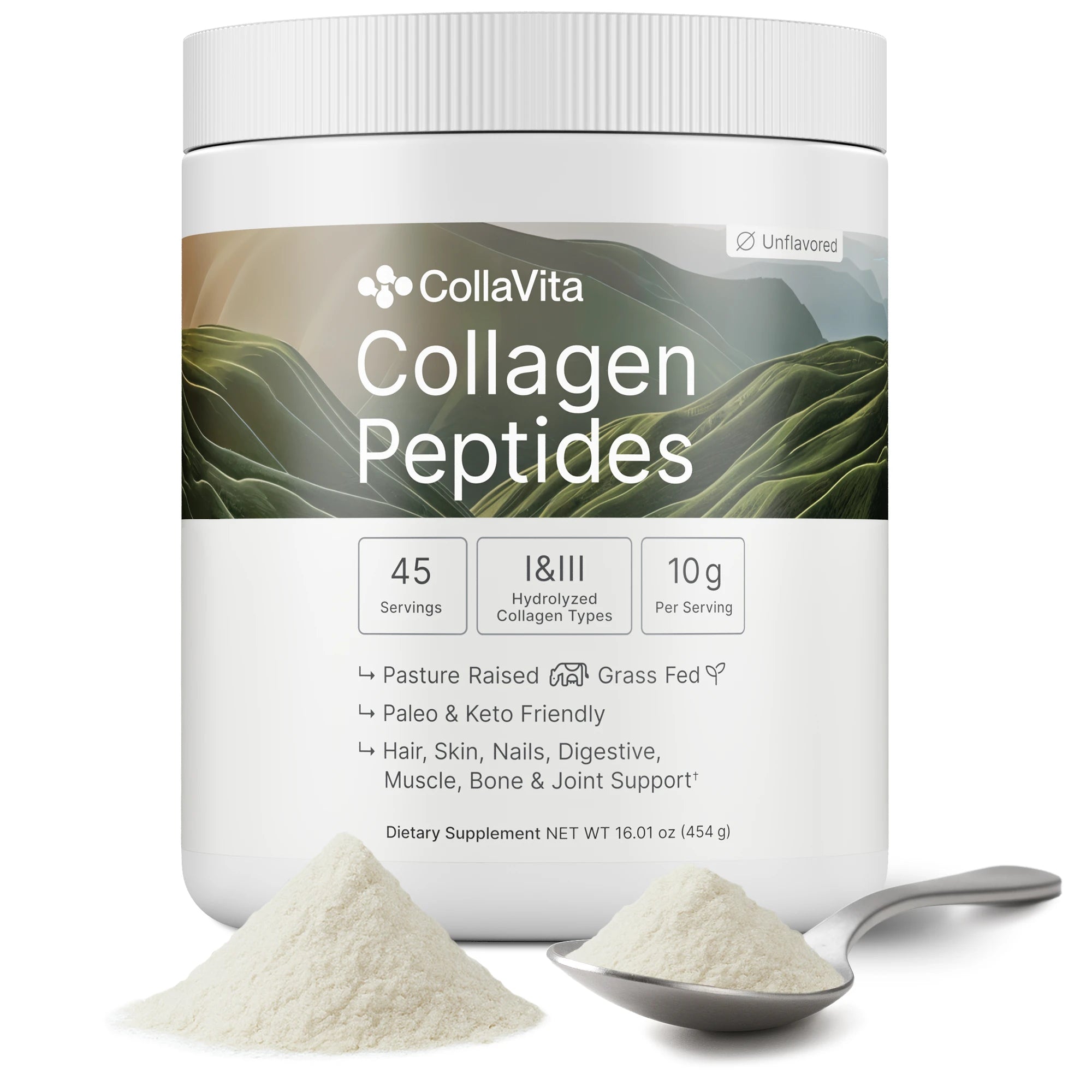
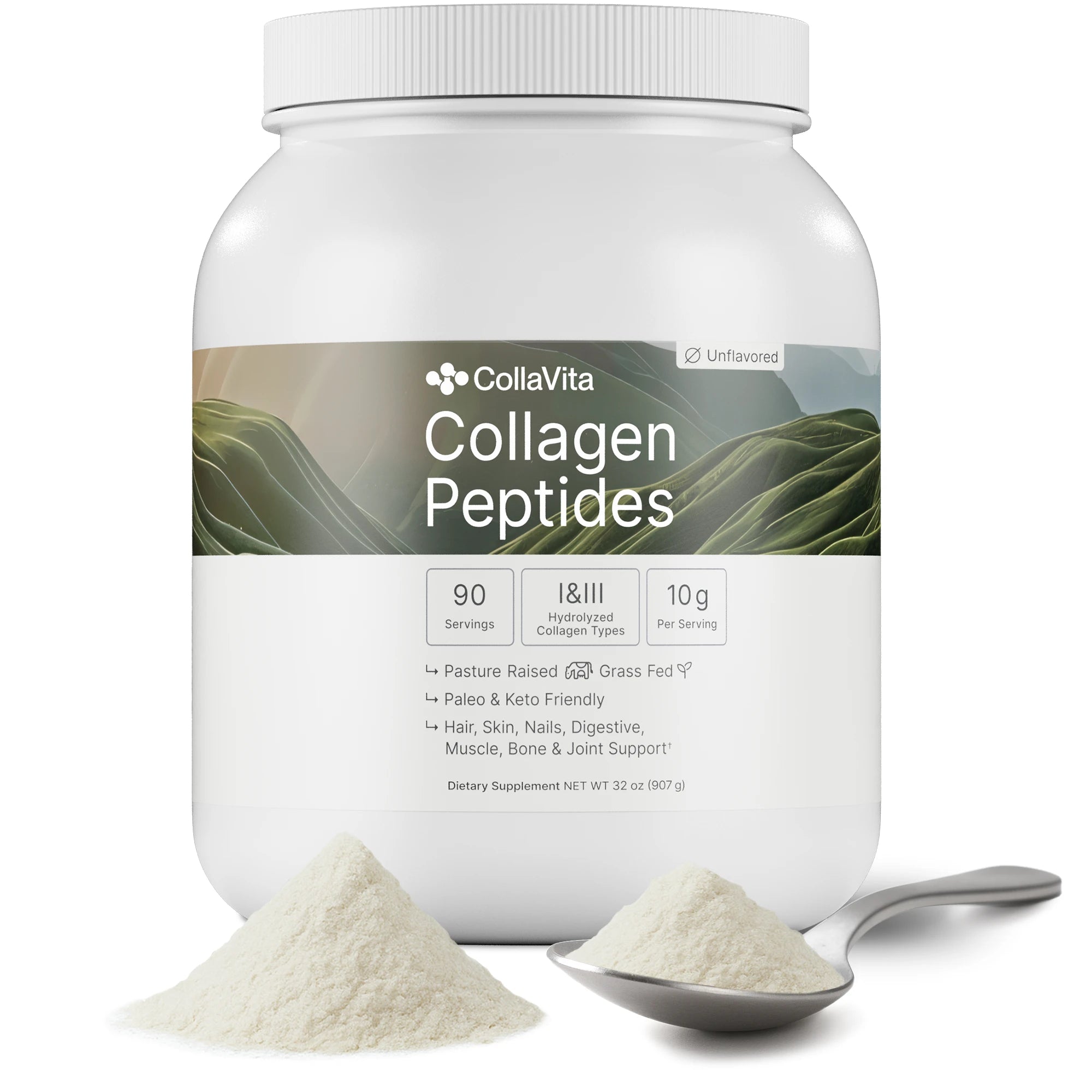
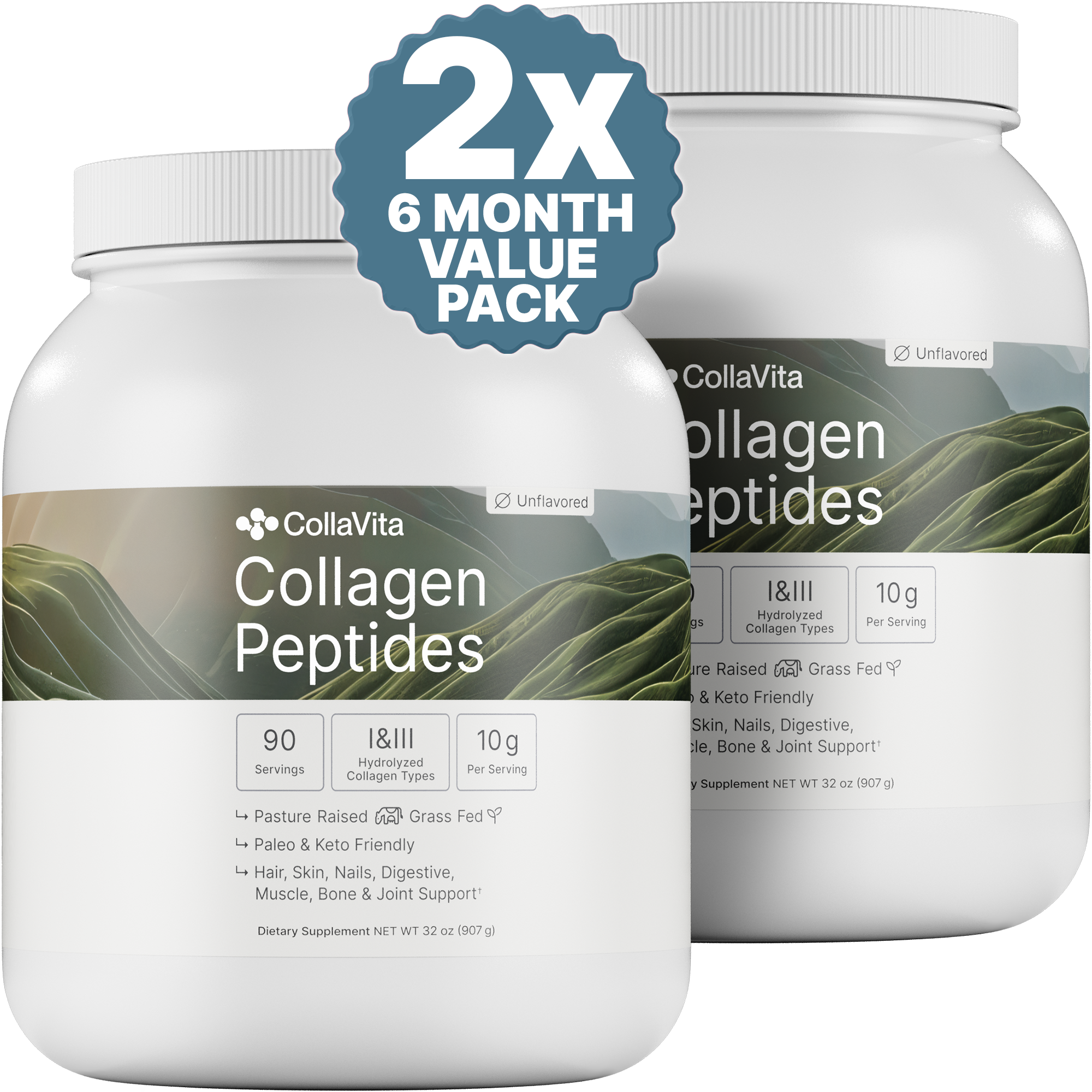
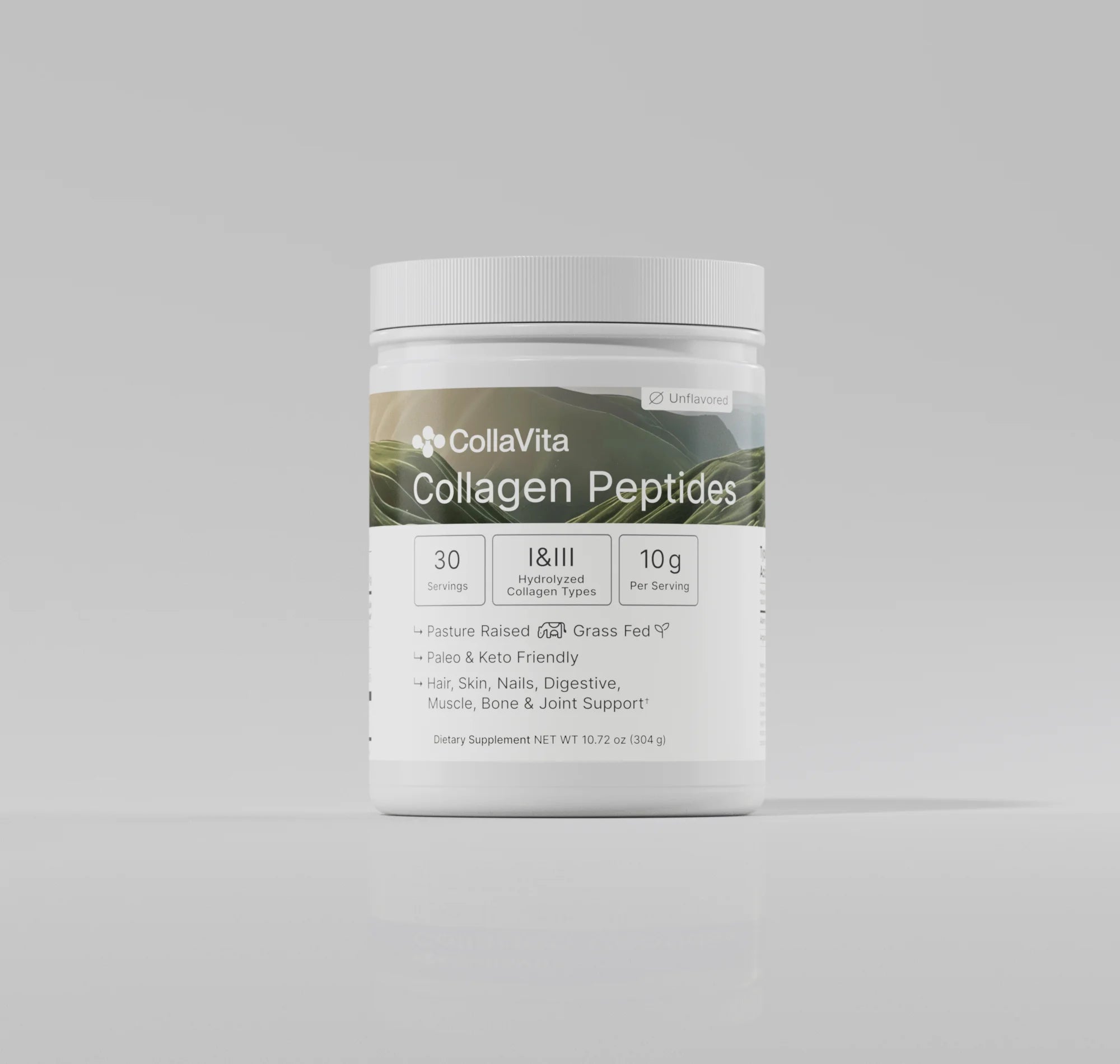
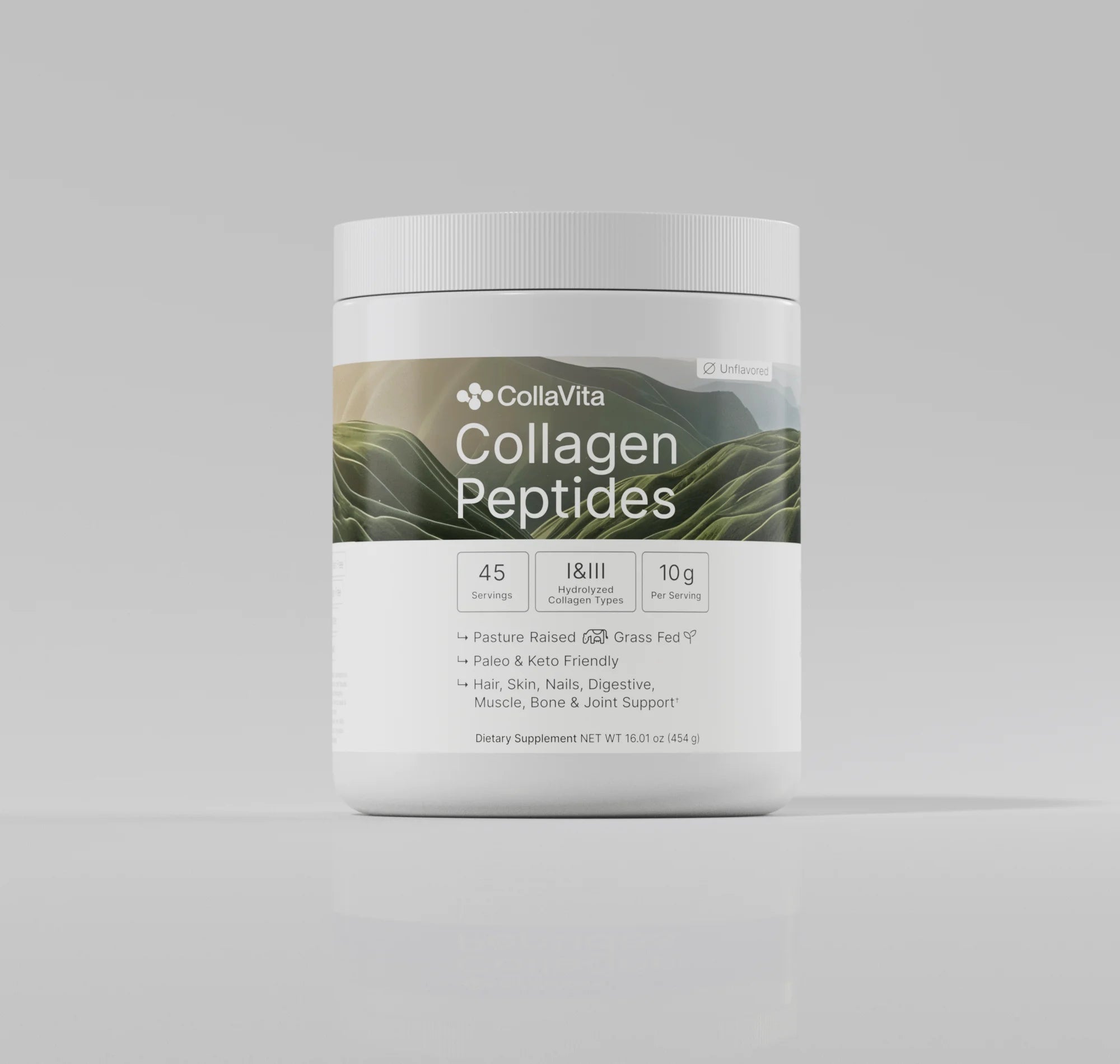
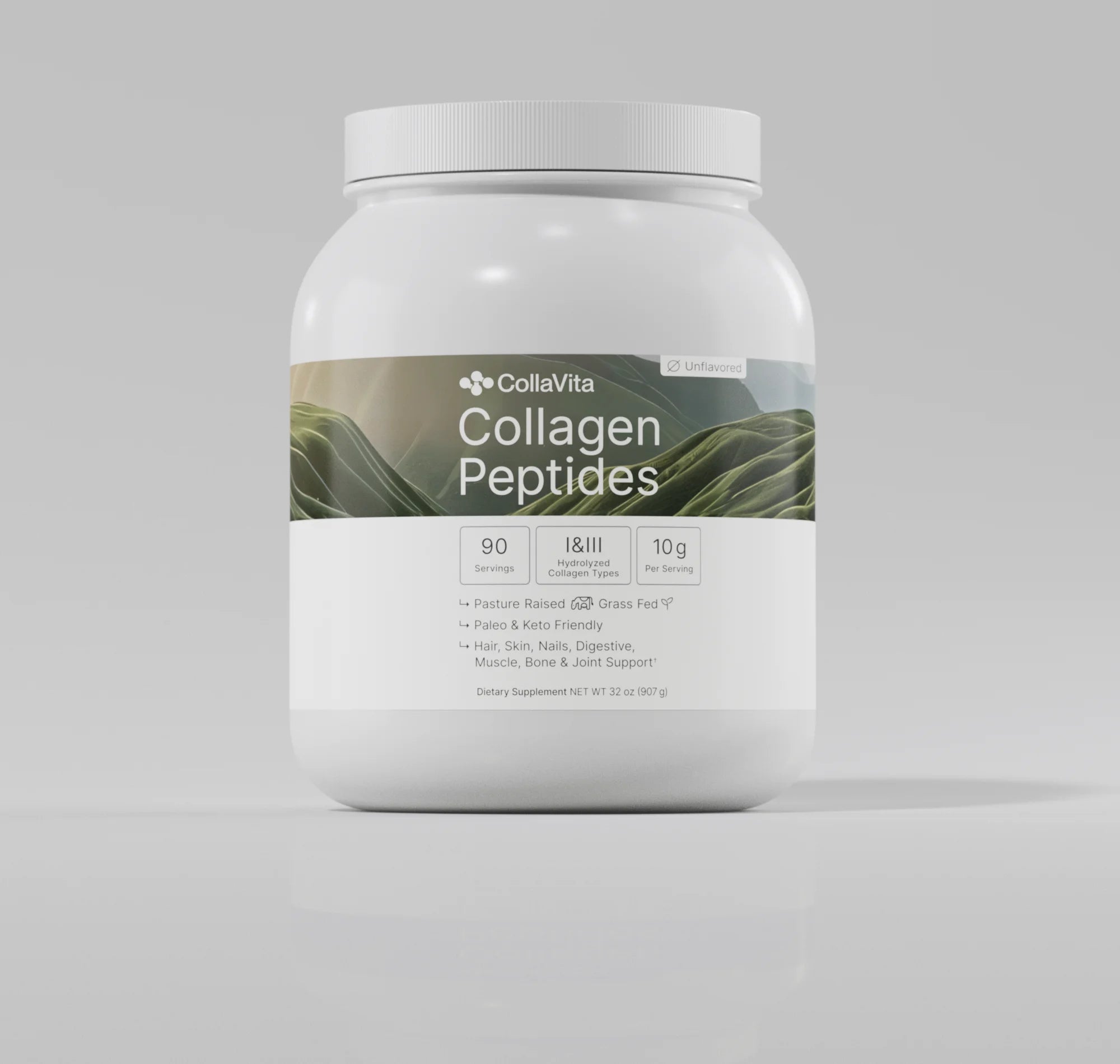
Discover our full range of collagen products to support your winter skin health and check out CollaVita Collagen.
What Are the Winter-Specific Moisturizing Foods?
Hydration is not limited to the water in the glass; the foods we eat also play an important role. The winter season is full of foods that are rich in water and minerals, warm us up, and support immunity.
|
Food Group
|
Examples
|
Hydration and Winter Benefit
|
|
Root Vegetables
|
Celery, Cabbage, Pumpkin
|
Supports digestion with high water and fiber content, a source of vitamins.
|
|
Winter Fruits
|
Orange, Mandarin, Grapefruit
|
High Vitamin C and water content both moisturize and strengthen immunity.
|
|
Hot Beverages
|
Bone Broth, Linden Tea, Ginger Tea
|
Increases fluid intake while maintaining body temperature and provides minerals.
|
|
Oily Fish
|
Salmon, Mackerel
|
Supports the skin's natural oil barrier with Omega-3 fatty acids and reduces moisture loss.
|
Key Takeaways for Winter Hydration:
- Do not let the decreased feeling of thirst in winter deceive you; your body constantly loses moisture.
- Consume not only water but also winter-specific foods rich in moisture and minerals.
- Collagen strengthens the structural scaffold that holds moisture in the skin and increases resistance to winter dryness.
- Inner hydration is your skin's strongest defense against cold and dry weather.
Scientifically Reviewed by Omer (Matt) Sermet