What is Hyaluronic Acid, and Why is It Important?
Hyaluronic acid, or HA, is a naturally occurring substance in the skin, eyes, and joints that keeps everything hydrated and smooth. On the skin, it acts like a microscopic sponge, absorbing and retaining water at a rate of up to a thousand times its weight.
| Feature | Role of Hyaluronic Acid (HA) |
|---|---|
| Skin | Diminishes wrinkles and restores youthful glow by retaining moisture. |
| Joints | Acts as a lubricant to help joints slide easily, reducing pain and stiffness. |
| Eyes | Maintains essential moisture levels. |
| Wounds | Supports the natural healing process. |
As we age, our bodies manufacture less HA, leading to dry skin and aching joints. You can find it in various forms, from masks to lip fillers, and hyaluronic acid supplements benefits offer an overwhelming amount of positive effects.
How Does Hyaluronic Acid Impact Skin Aging Processes?
Changes in HA directly relate to the loss of moisture experienced with aging. Particularly, the skin gets dry, and there is nothing to retain water when HA in the epidermis drops. Thus, HA in the dermis and in important parts of the epidermis determines skin moisture. Moreover, preserving this moisture depends much on the stratum granulosum, the outermost layer of the skin. The skin thus becomes dry, and becomes less flexible without HA, according to the study in the Dermato-Endocrinology(1). Generally speaking, two distinct factors contribute mostly to skin aging.
What is Inner Aging?
Inner aging refers to the natural hormonal processes that come with age, such as the decrease in estrogen and progesterone during menopause. This leads to:
- Collagen breakdown
- Loss of skin elasticity
- Formation of wrinkles
- Epidermal dehydration (HA disappears in the top layer but remains in the dermis).
What is External Aging?
External aging, primarily caused by UV rays (photoaging), triggers a complex response in the skin. While UV rays initially increase HA in the dermis as a wound-healing response, repeated exposure eventually reduces HA synthesis.
| Factor | Impact on Hyaluronic Acid (HA) |
|---|---|
| UV Exposure | Reduces HA synthesis in skin cells (dermal fibroblasts). |
| Molecule Size | HA molecules shrink with age; smaller fragments can trigger inflammation. |
| Receptors | Expression of repair receptors (CD44, RHAMM) may degrade, hindering regeneration. |
How Collagen and Hyaluronic Acid Work Together?
Collagen and hyaluronic acid play complementary roles in maintaining skin architecture and hydration. Imagine collagen as the "skeleton" of the body and HA as the "cushioning" that surrounds it.
| Component | Primary Function | Analogy |
|---|---|---|
| Collagen | Provides structure and strength. | The Skeleton / Foundation |
| Hyaluronic Acid | Provides hydration and plumpness. | The Cushion / Insulation |
Combining collagen and HA yields better results than using either one alone, according to the research in the RSC Advances(2). The study also emphasizes that using these two as a coating during the bone repair process after bone reinforcements are used in dental implants, for example, makes it much easier for cells to stick together, multiply, and form new bone. Working together yields better results every time!
What are the Key Benefits of Collagen with Hyaluronic Acid?
The combination of collagen and HA offers a wide range of beauty and health advantages.
1. How Does It Improve Wound Healing?
Have you been cut, or is your skin healing slowly? Collagen accelerates the formation of new tissue and helps wounds to close. The body works like a repair team by sending collagen to the damaged area. HA promotes healing by encouraging the movement and proliferation of cells. Using collagen and HA shortens the period it takes for wounds to close, according to studies in Medicine in Novel Technology and Devices(3) and PudMed Central(4).
2. How Does It Boost Skin Hydration?
Collagen aids in moisture retention and structural integrity, while HA draws water molecules into the skin.
- Oral HA: Research shows improvements in skin moisture within 2-8 weeks.
- Skin Thickness: Increased thickness reported after 12 weeks of supplementation.
- Topical HA: Serums provide excellent hydration and combat photoaging.
3. How Does It Support Joint Health?
The combination of collagen, HA, and Vitamin C enhances joint health and flexibility and eases morning stiffness.
| Condition | Supplement Impact |
|---|---|
| Low Back Pain | Better pain relief and improved quality of life compared to exercise alone. |
| Heel Pain | Improved tendon structure and reduced pain over 12 weeks. |
| Athletic Performance | Enhanced flexibility and joint comfort. |
4. How Does It Strengthen Hair and Nails?
- Nails: An 8-week study showed a 79.1% decrease in nail cracking and an 80.7% decrease in brittleness.
- Hair: Collagen supplies amino acids for keratin, potentially reducing brittleness and supporting the skin around follicles.
- Connective Tissues: Keeps tendons and ligaments strong and flexible, acting like "glue" for the body.

How to Use Collagen with Hyaluronic Acid Effectively?
Incorporating these two into your routine can be done through supplements, topical products, or diet.
1. Supplement Forms
Supplements are the fastest way to get these nutrients into your system.
| Form | Usage Tips |
|---|---|
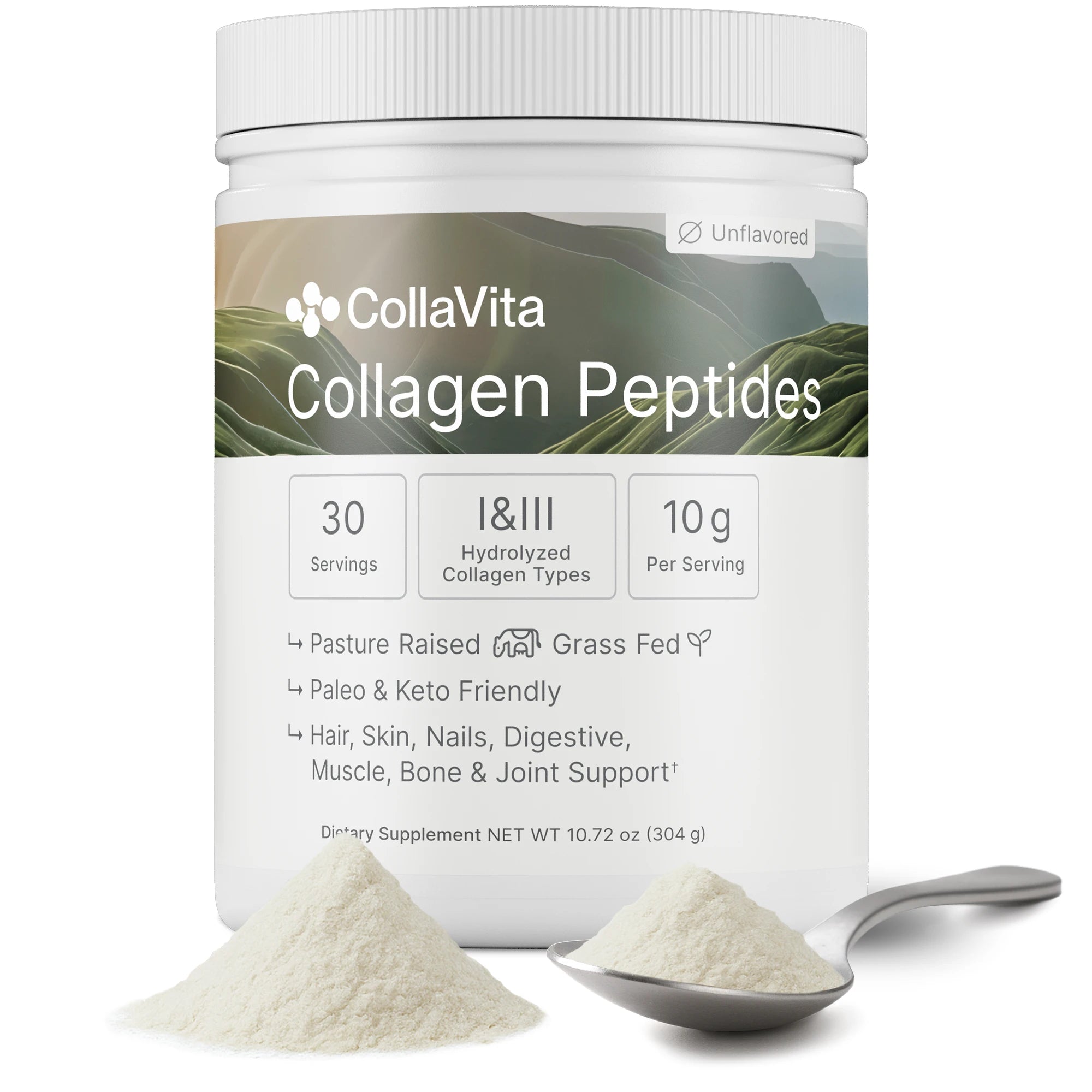
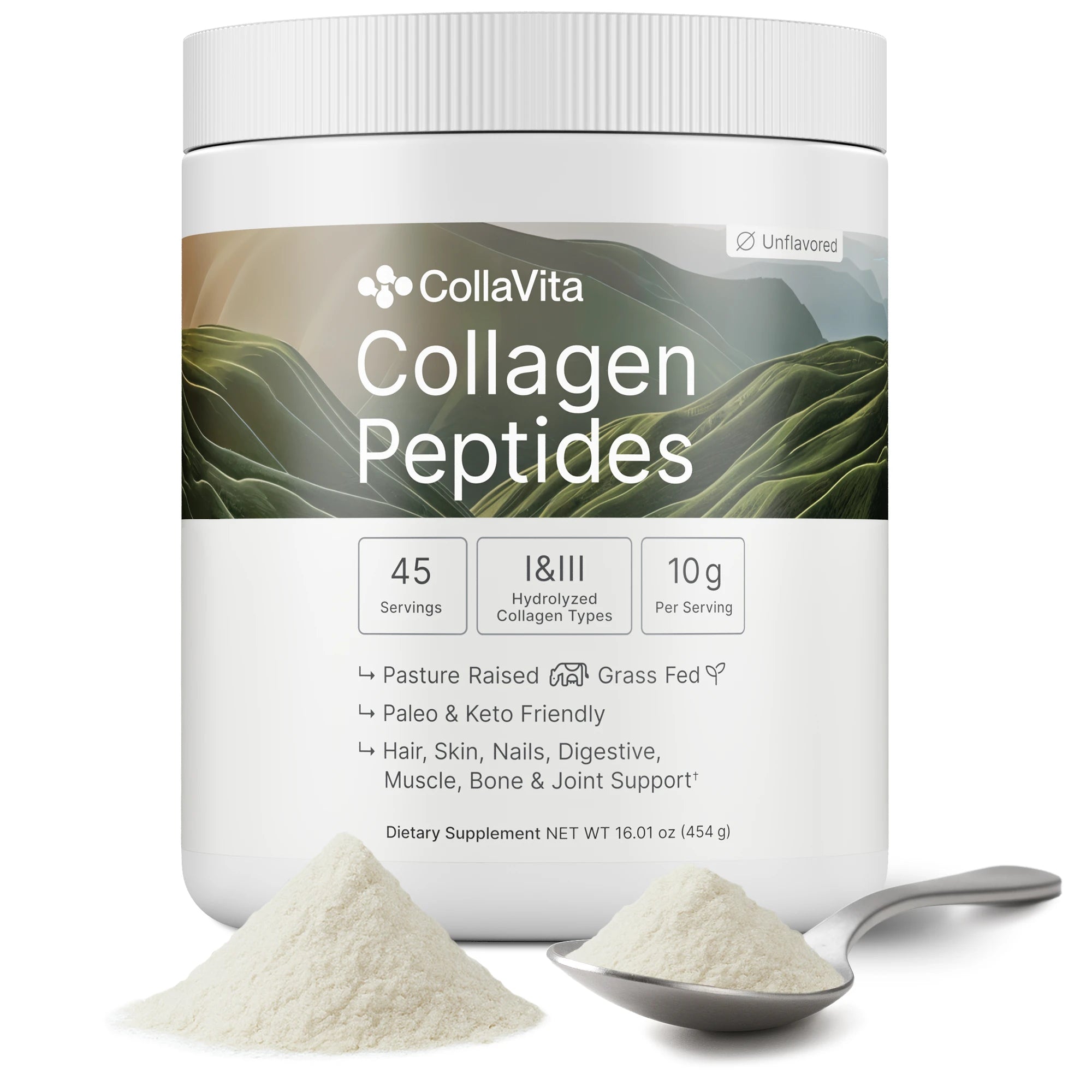
| Collagen Peptides | Powder (mix in coffee/smoothies), capsules, or liquid. |
| Hyaluronic Acid | Capsules or tablets for skin and joint moisture. |
| Combined Products | Convenient all-in-one supplements, best taken after breakfast. |
Recommended Dosage: Generally 5-10 grams of collagen and 100-200 mg of HA daily.
2. Topical Applications
- Collagen Creams: Apply twice daily to improve skin elasticity.
- HA Serums: Apply to clean, damp skin and follow with a moisturizer for a "plumping" effect.
3. Dietary Sources
You can also support your body from the kitchen:
- For Collagen: Bone broth, chicken skin, fish, and egg whites.
- For HA: Citrus fruits, green leafy vegetables (spinach), and soy (tofu).
Frequently Asked Questions About Collagen and Hyaluronic Acid
Here are the FAQs about collagen and hyaluronic acid.
Can Collagen Supplements Have Any Negative Effects?
Though most of them are harmless, side effects might happen with collagen supplements. Some people could have constipation and bloating, among other digestive issues. Particularly among allergy patients, allergic responses to collagen generated from shellfish carry some danger. Changes in liver performance have seldom ever been documented. One should choose dependable companies since low-quality products may include dangerous metals. Before utilizing supplements, then, it is advisable to see a doctor.
What Is the Best Way to Take Collagen for Maximum Absorption?
To get the most out of collagen supplements, take collagen first thing in the morning, preferably on an empty stomach. Hydrolyzed collagen peptides are more easily absorbed by the body. Consuming it together with vitamin C increases its effectiveness by increasing collagen synthesis. It is ideal to take it with water; fatty foods should be avoided. The recommended daily dosage varies between 5-10 grams, but product instructions should be followed. These methods optimize absorption.
How Do Different Collagen Types Affect the Body?
Type I collagen is found in the skin, bones, and tendons; it tightens the skin and strengthens the bones. Collagen types have different functions in the body. Type II supports articular cartilage and contributes to joint health. Type III is located in the skin and blood vessels; it protects skin structure and improves vascular elasticity. A mixture of Types I and III is usually used in supplements, with Type II recommended for joints.
SOURCES
(1) - Hyaluronic acid A key molecule in skin aging Eleni Papakonstantinou, Michael Roth, George Karakiulakis, Dermato-Endocrinology 4:3, 253–258; July–December 2012; © 2012 Landes Bioscience
(2) - RSC Adv., 2017,7, 25828-25837
(3) - Shang, L., Wang, Y., & Zhang, Y. (2024). Recent applications and molecular mechanisms of hyaluronic acid in skin aging and wound healing. Medicine in Novel Technology and Devices, 23, 100036.
(4) - Mathew-Steiner SS, Roy S, Sen CK. Collagen in Wound Healing. Bioengineering (Basel). 2021 May 11;8(5):63. doi: 10.3390/bioengineering8050063. PMID: 34064689; PMCID: PMC8151502.
Scientifically Reviewed by Omer (Matt) Sermet