
What are the Key Amino Acids in Collagen?
The structural integrity of collagen is overwhelmingly dependent on three amino acids: Glycine, Proline, and Hydroxyproline. These three form approximately 50% of collagen's total composition and are responsible for the protein's characteristic triple-helix structure.
- Glycine: The simplest and most abundant amino acid in collagen. It is essential for stabilizing the triple-helix, which is vital for forming strong, resilient collagen fibers. Glycine also plays a role in detoxification and neurotransmitter function.
- Proline: This non-essential amino acid is crucial for maintaining the stability and resilience of collagen. It contributes to the helical structure and is involved in tissue repair and regeneration.
- Hydroxyproline: A derivative of proline, this amino acid is unique to collagen and elastin. It is instrumental in cross-linking the collagen strands, significantly enhancing fiber strength and flexibility. Its presence is a key marker for collagen synthesis in the body.
Collagen's Complete Amino Acid Profile
Collagen contains a total of 19 amino acids, including 8 of the 9 essential amino acids (EAAs). The table below provides a comprehensive overview of the amino acids found in collagen, their classification, and their primary role in the body.
| Amino Acid | Classification | Primary Role in Collagen/Body |
|---|---|---|
| Glycine | Non-Essential | Stabilizes the triple-helix structure; most abundant. |
| Proline | Non-Essential | Maintains stability and resilience; tissue repair. |
| Hydroxyproline | Non-Essential | Unique to collagen; enhances fiber strength and flexibility. |
| Alanine | Non-Essential | Energy production; glucose metabolism. |
| Arginine | Non-Essential | Precursor to nitric oxide; supports circulation and wound healing. |
| Aspartic Acid | Non-Essential | Energy production; neurotransmitter support. |
| Glutamic Acid | Non-Essential | Energy source for brain; precursor to GABA. |
| Serine | Non-Essential | Metabolism of fats and fatty acids; immune support. |
| Histidine | Essential | Immune response; blood cell production. |
| Isoleucine | Essential | Muscle repair and energy regulation. |
| Leucine | Essential | Critical for protein synthesis and muscle repair (BCAA). |
| Lysine | Essential | Collagen formation; calcium absorption. |
| Methionine | Essential | Metabolism and detoxification. |
| Phenylalanine | Essential | Precursor to neurotransmitters (e.g., dopamine). |
| Threonine | Essential | Collagen and elastin production; immune function. |
| Valine | Essential | Muscle growth and energy (BCAA). |
| Tyrosine | Non-Essential | Precursor to thyroid hormones and adrenaline. |
| Cysteine | Non-Essential | Antioxidant properties; detoxification. |
| Tryptophan | Missing | Essential for protein synthesis; precursor to serotonin. |
How Does CollaVita Collagen Peptides' Profile Support Your Health?
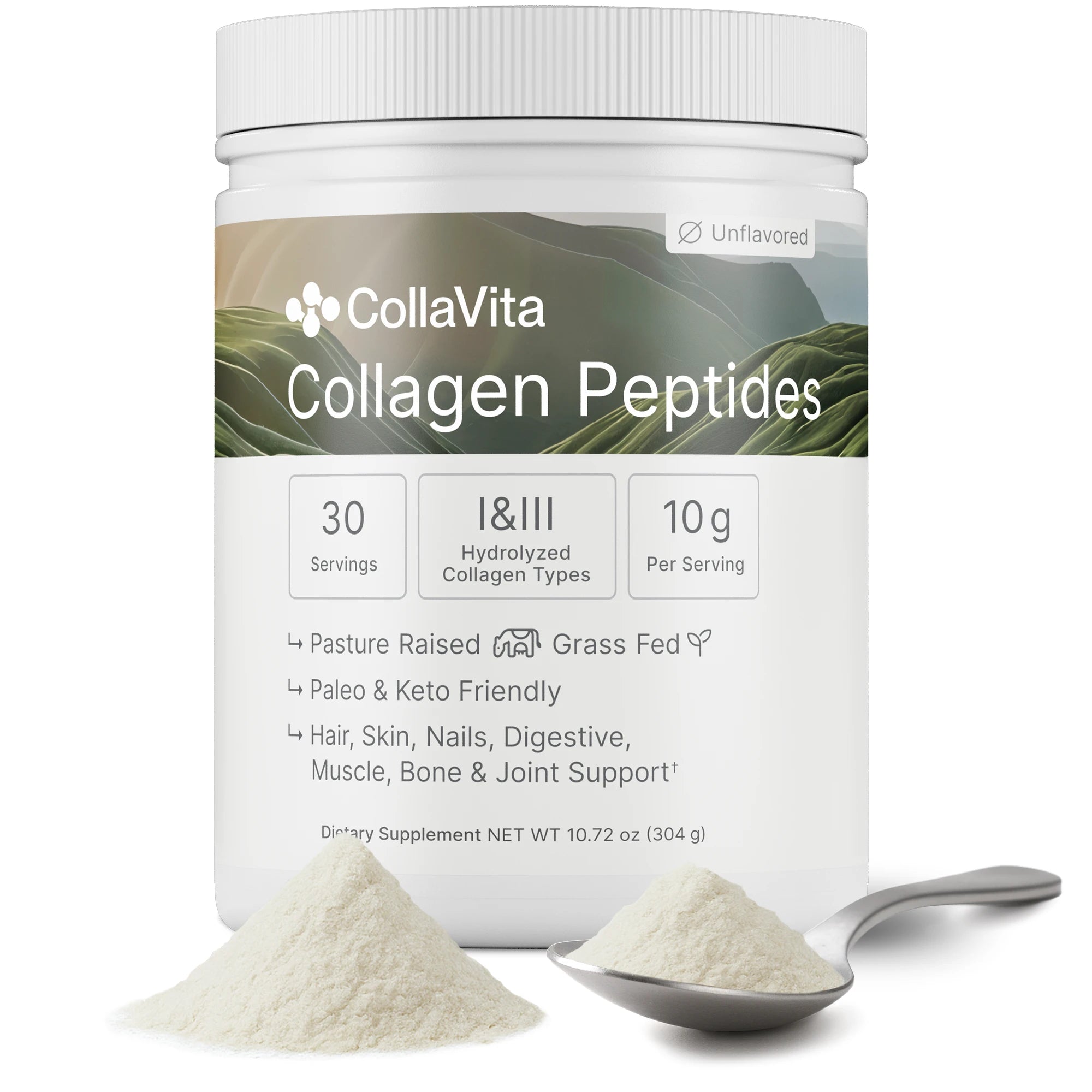
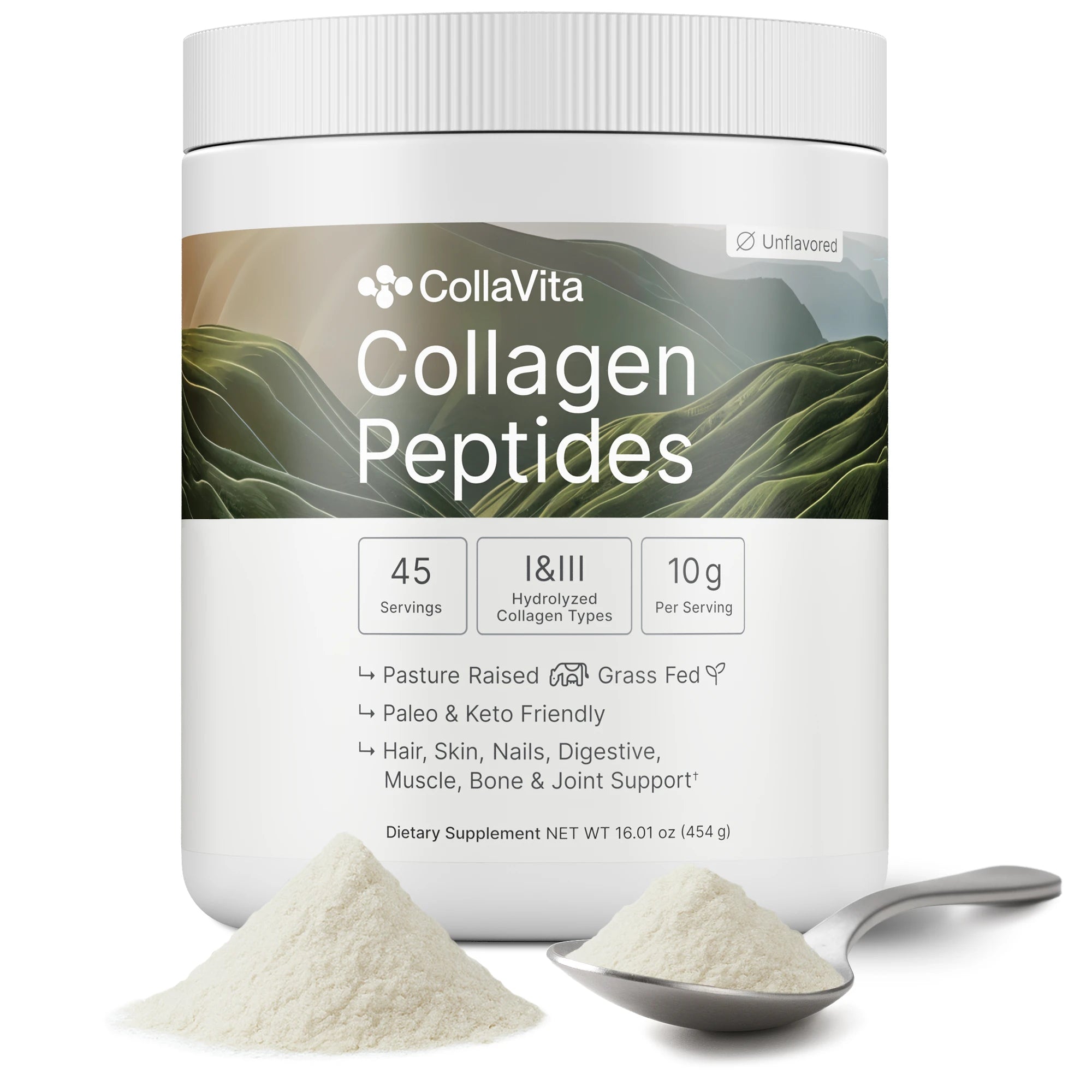
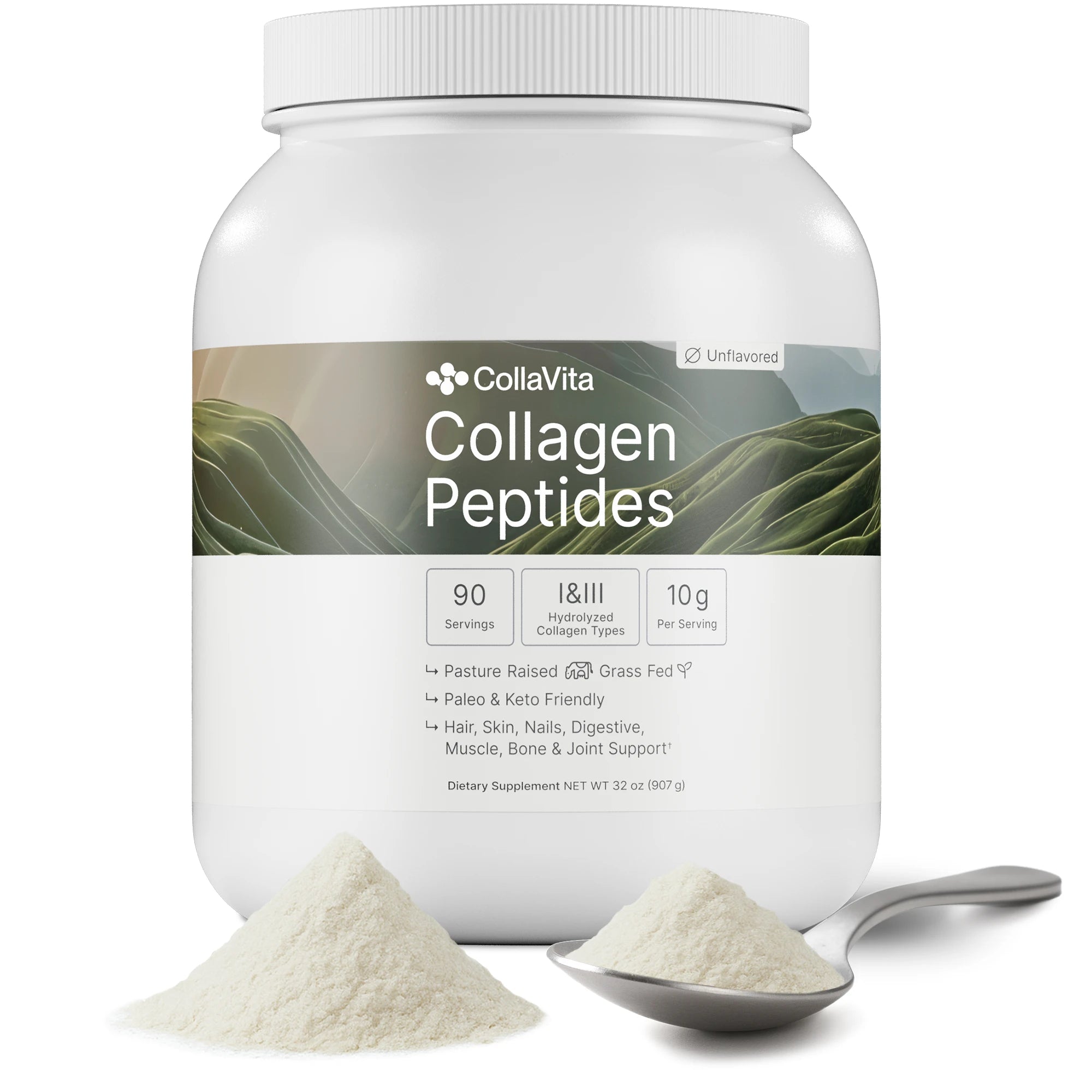
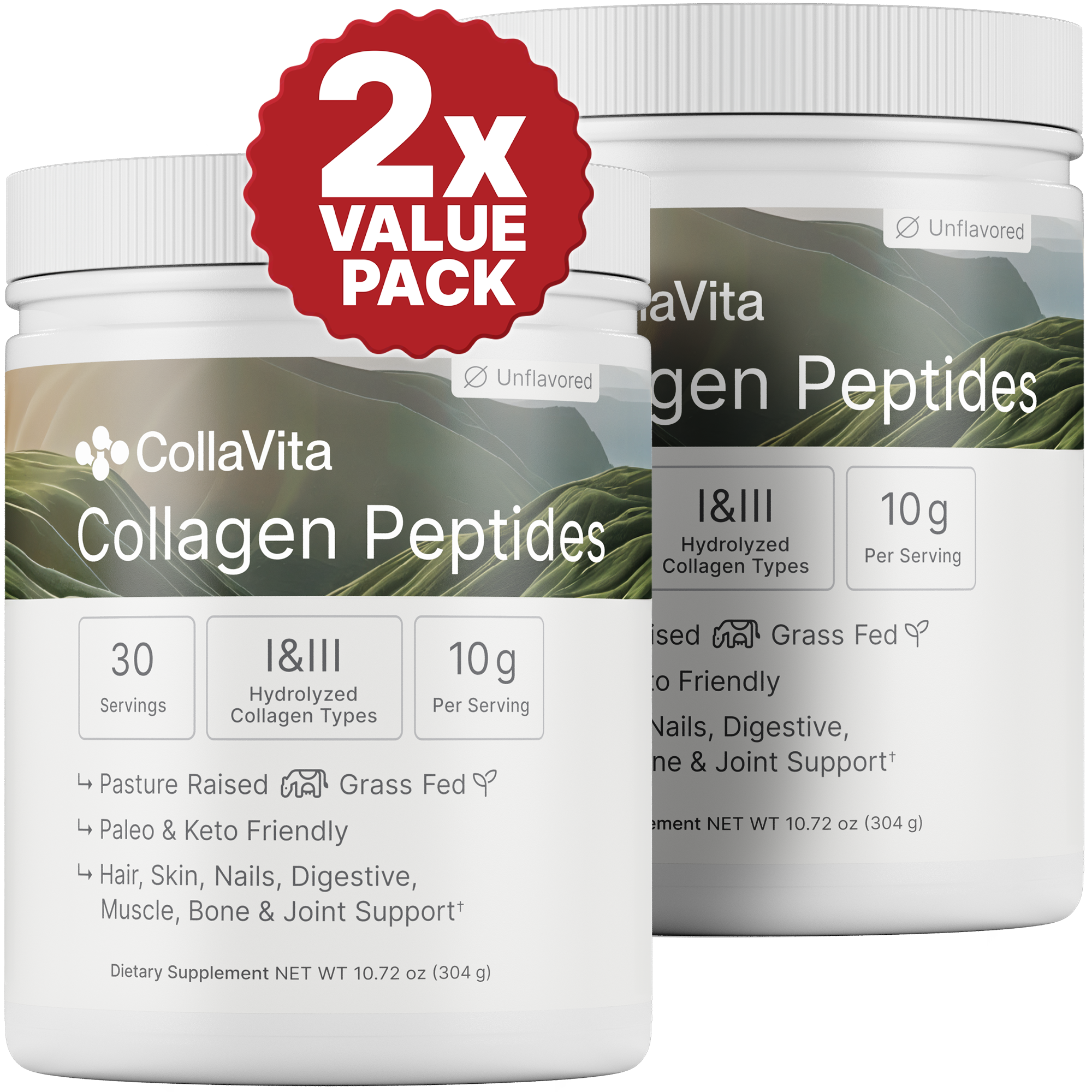
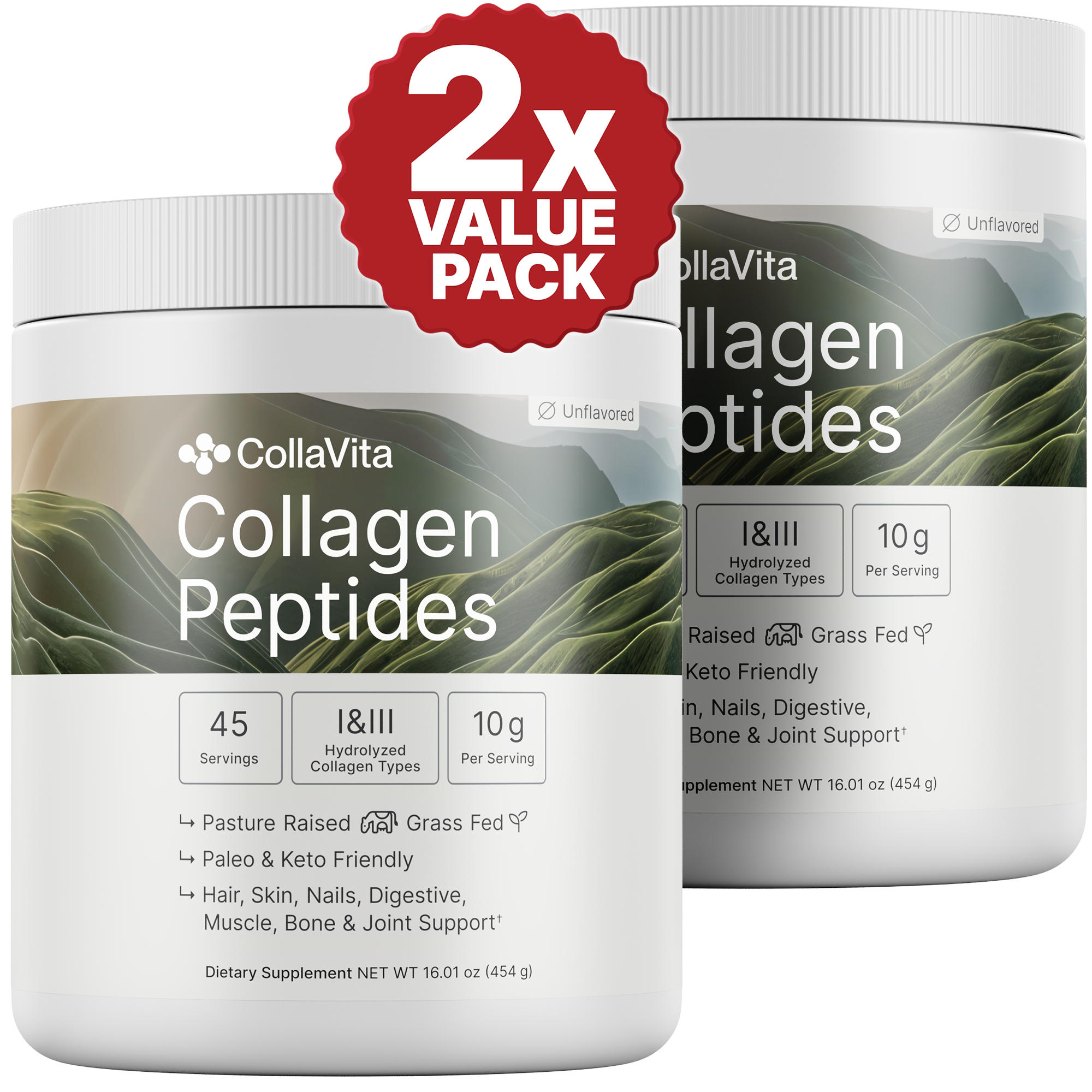
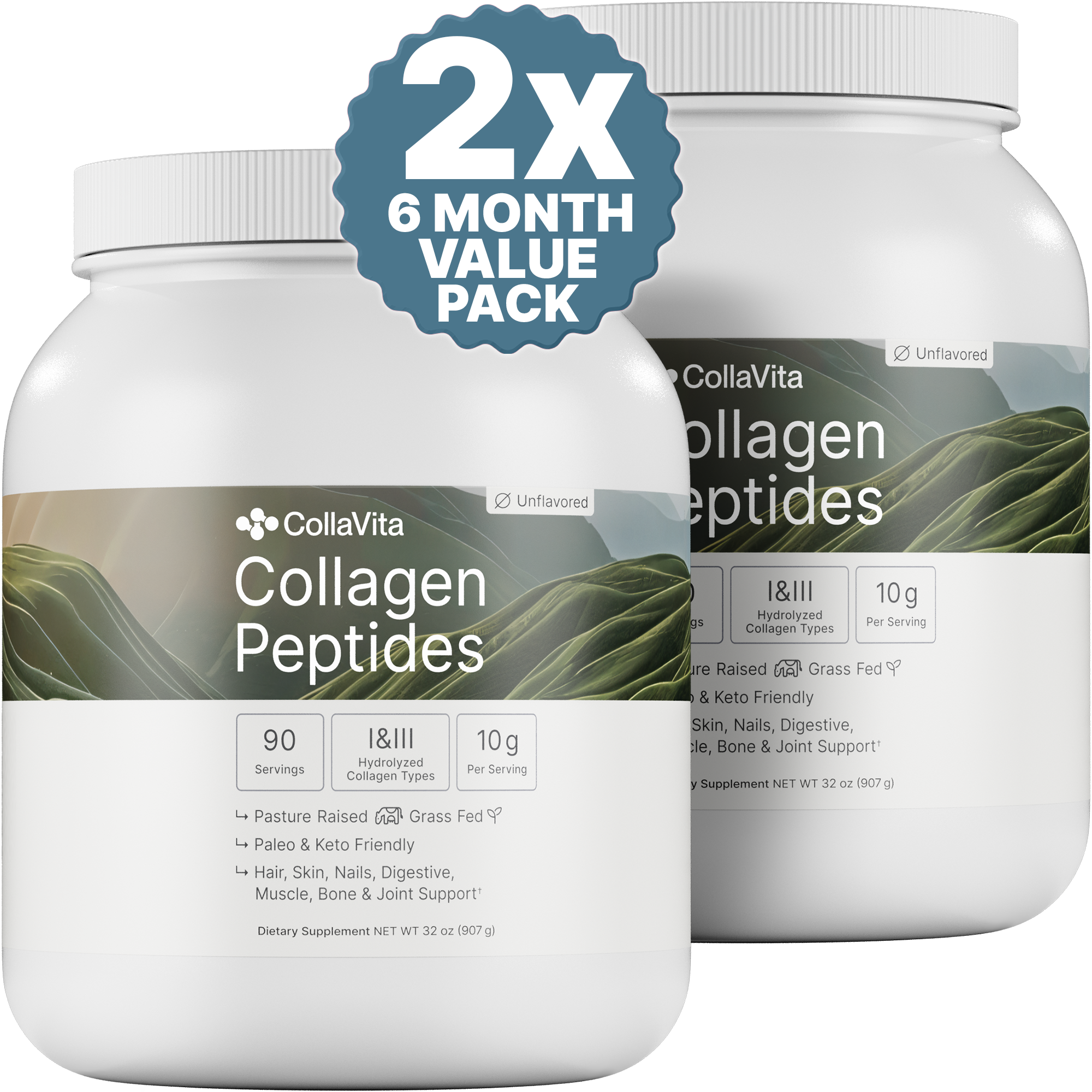
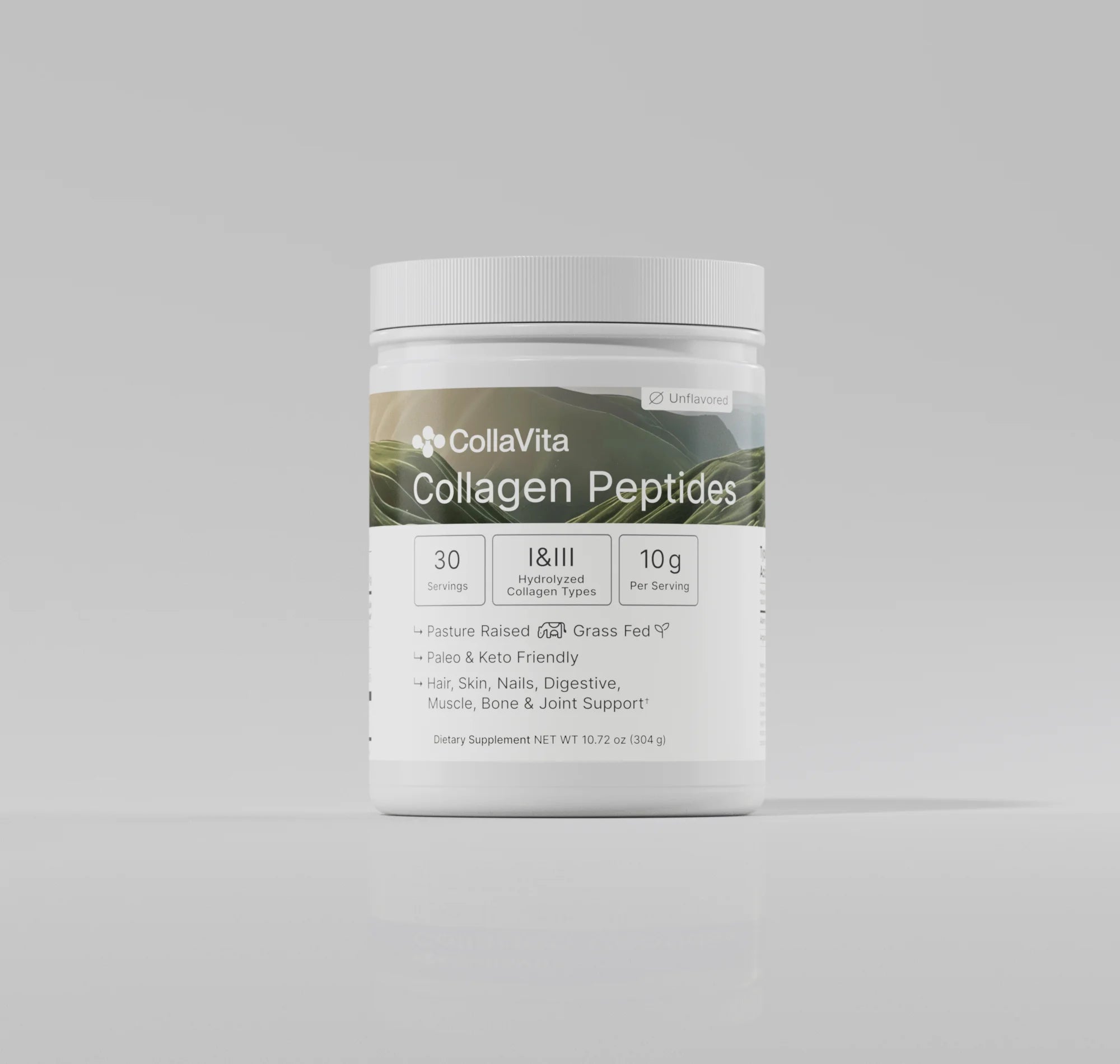
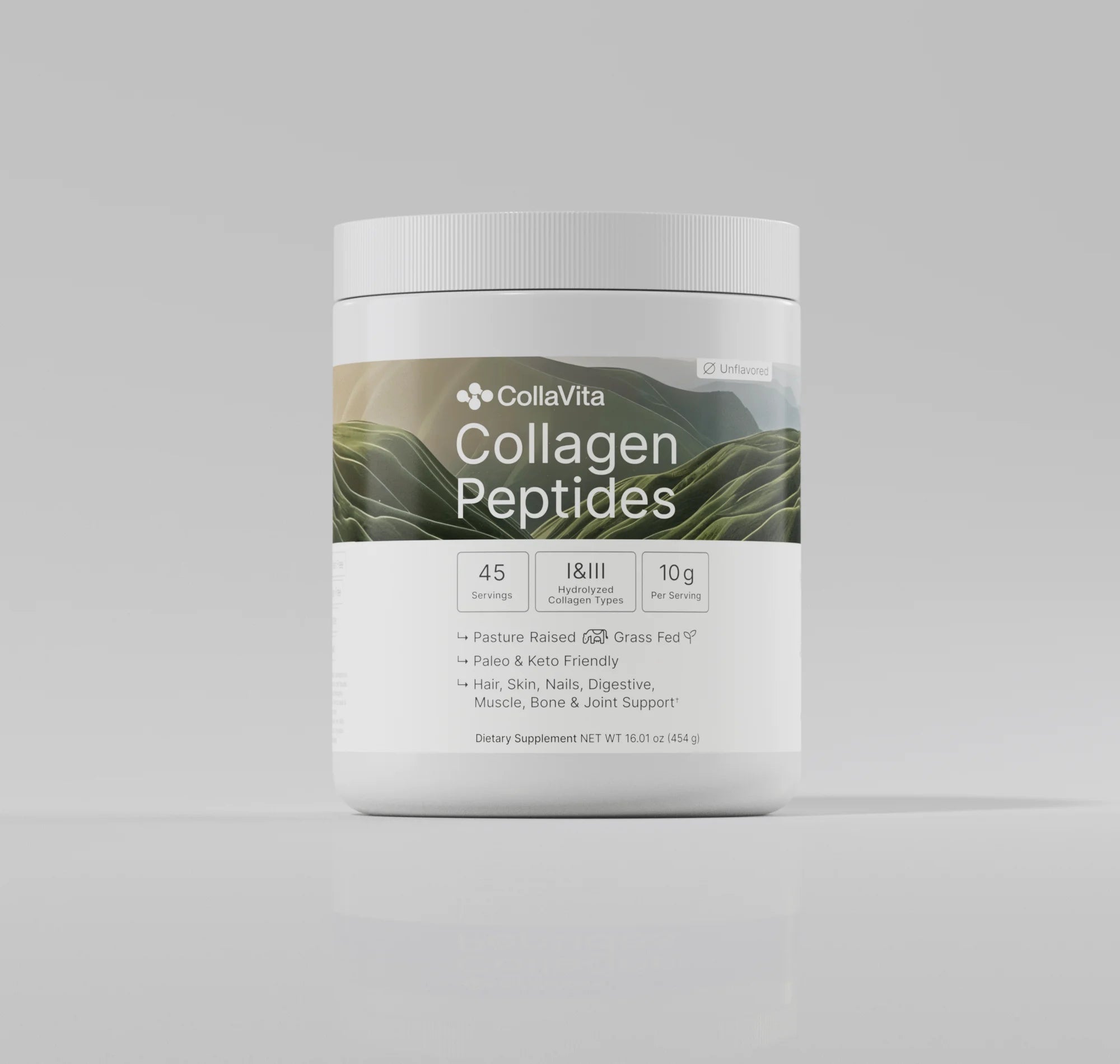
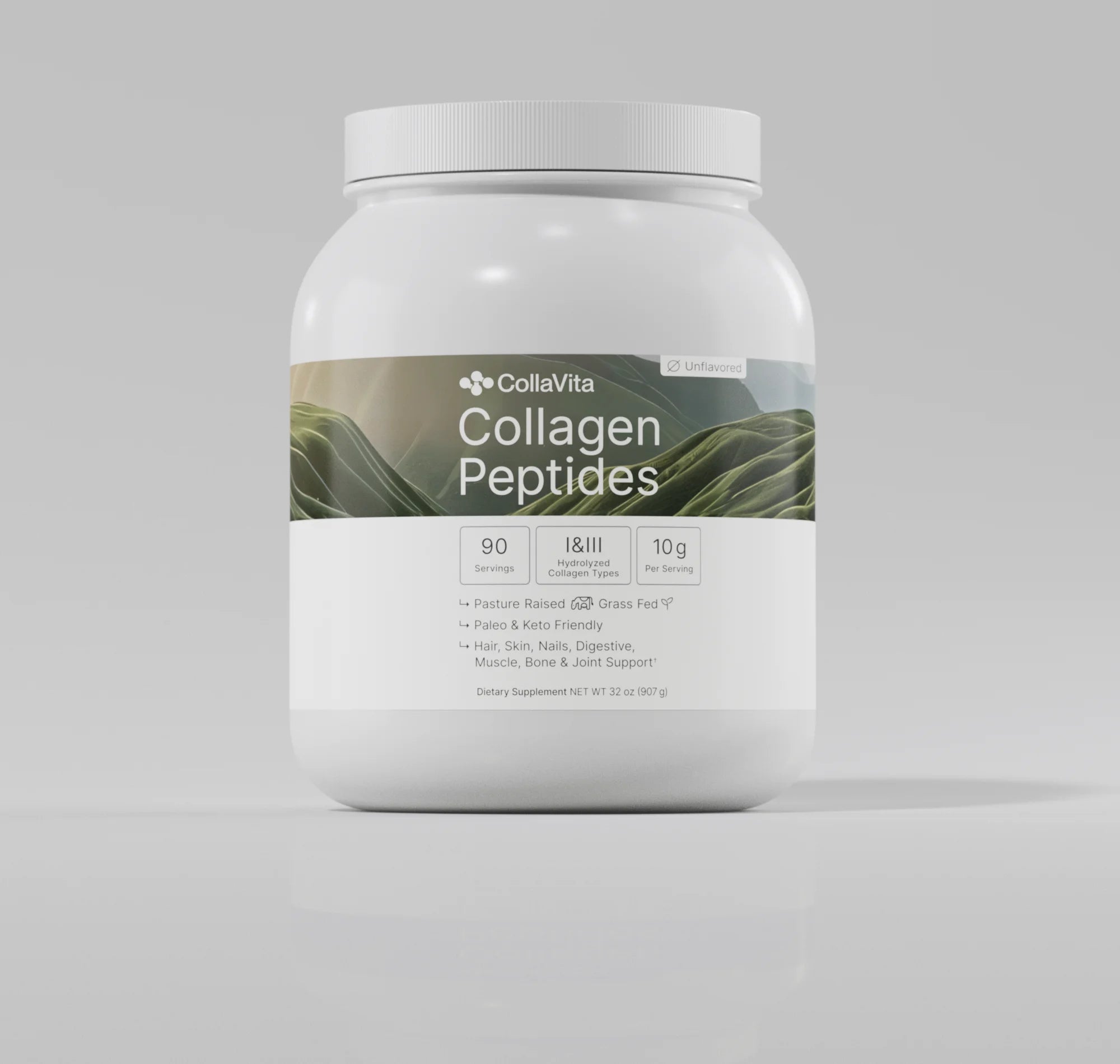
Collagen's benefits are maximized when the source is pure, high-quality, and easily absorbed. CollaVita Collagen Peptides are sourced from pasture-raised, grass-fed bovine, providing a pure blend of Type I and III hydrolyzed collagen. This hydrolysis process ensures the peptides are broken down into smaller, highly bioavailable chains, allowing your body to efficiently utilize the amino acids for maximum benefit.
With 10g of pure collagen per serving, CollaVita delivers a potent dose of the key structural amino acids discussed above. The specific profile per serving is detailed below, demonstrating the high concentration of the "Big Three" (Glycine, Proline, and Hydroxyproline) essential for connective tissue health.
CollaVita Collagen Peptides - Typical Amino Acid Profile (Average milligrams per serving)
| Amino Acid | Amount (mg) |
|---|---|
| Alanine | 963 |
| Arginine | 814 |
| Aspartic Acid | 586 |
| Glutamic Acid | 1,030 |
| Glycine | 2,490 |
| Histidine* | 73 |
| Hydroxyproline | 1,180 |
| Isoleucine* | 152 |
| Leucine* | 301 |
| Lysine* | 386 |
| Ornithine | 23 |
| Phenylalanine* | 193 |
| Proline | 1,430 |
| Serine | 340 |
| Threonine* | 183 |
| Tyrosine | 66 |
| Valine* | 24 |
*Essential Amino Acids
The high 2,490 mg of Glycine and 1,430 mg of Proline per serving directly supports the structural integrity of your skin, joints, and gut lining. By choosing a high-quality, third-party tested product like CollaVita, you ensure your body receives the optimal building blocks for maintaining your natural structural foundation.
Ready to experience the CollaVita difference? Shop Now CollaVita Collagen Products
Why is Collagen Not Considered a Complete Protein?
A complete protein is defined as one that contains all nine essential amino acids (EAAs) that the human body cannot synthesize on its own.
Collagen lacks Tryptophan, one of the nine EAAs. This deficiency means that while collagen is an excellent source of the specific amino acids needed for connective tissue, it cannot be relied upon as the sole source of protein for muscle building or general protein synthesis.
To ensure a balanced amino acid intake, it is recommended to:
- Combine collagen with other protein sources (like meat, eggs, or legumes) throughout the day.
- Choose a collagen supplement that has been fortified with added Tryptophan.
You can also check out our daily protein guide to learn more about balancing your everyday protein intake.
Collagen vs. Whey Protein: Which is Better?
Collagen and whey protein are two of the most popular protein supplements, but they serve fundamentally different purposes due to their distinct amino acid profiles.
| Feature | Collagen Peptides | Whey Protein |
|---|---|---|
| Primary Goal | Structural support (Skin, Joints, Gut, Bones) | Muscle building and recovery |
| Completeness | Incomplete Protein (Lacks Tryptophan) | Complete Protein (Contains all 9 EAAs) |
| Key Amino Acids | Glycine, Proline, Hydroxyproline | Leucine, Isoleucine, Valine (BCAAs) |
| Absorption Rate | High (especially peptides) | Very High (rapid post-workout delivery) |
| Best Used For | Long-term tissue maintenance and elasticity | Immediate post-exercise muscle repair |
Conclusion: Neither is inherently "better." Collagen is superior for structural health, while whey is superior for muscle protein synthesis. Many individuals benefit from incorporating both into their diet to cover all aspects of health and fitness.
The Impact on Health: Benefits of Collagen's Profile
The high concentration of the "Big Three" amino acids directly translates into significant collagen health benefits:
- Enhanced Skin Elasticity and Hydration: Glycine and Hydroxyproline provide the structural scaffolding for the dermis, helping to reduce the appearance of fine lines and wrinkles.
- Joint and Bone Support: Collagen is the primary component of cartilage. Supplementation helps maintain the integrity of cartilage, reducing joint discomfort and supporting mobility.
- Gut Health: The amino acids, particularly Glycine and Proline, are thought to help strengthen the lining of the digestive tract, supporting a healthy gut barrier.
- Connective Tissue Repair: The unique profile provides the exact building blocks needed to repair and maintain tendons, ligaments, and other connective tissues throughout the body.
Scientifically Reviewed by Omer (Matt) Sermet