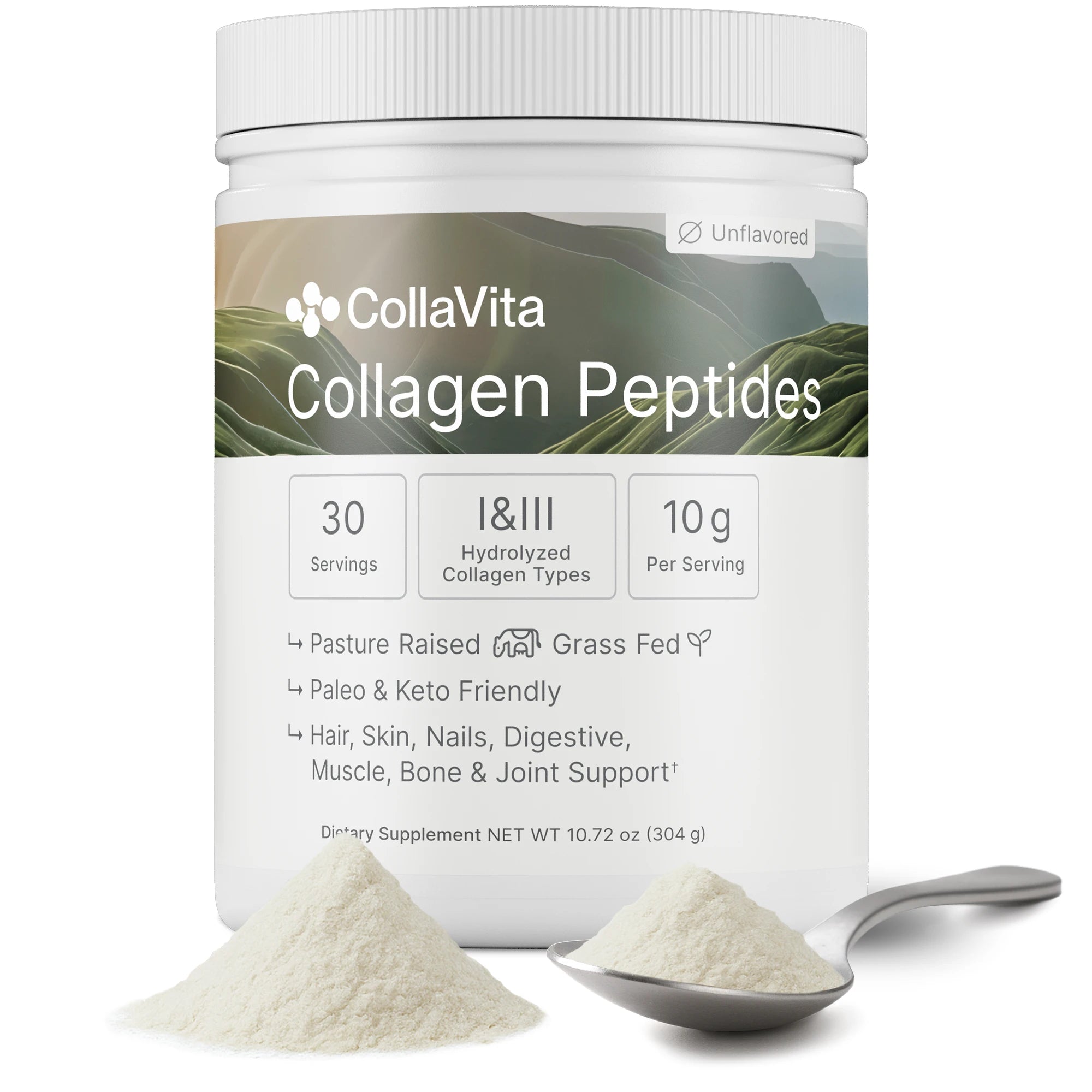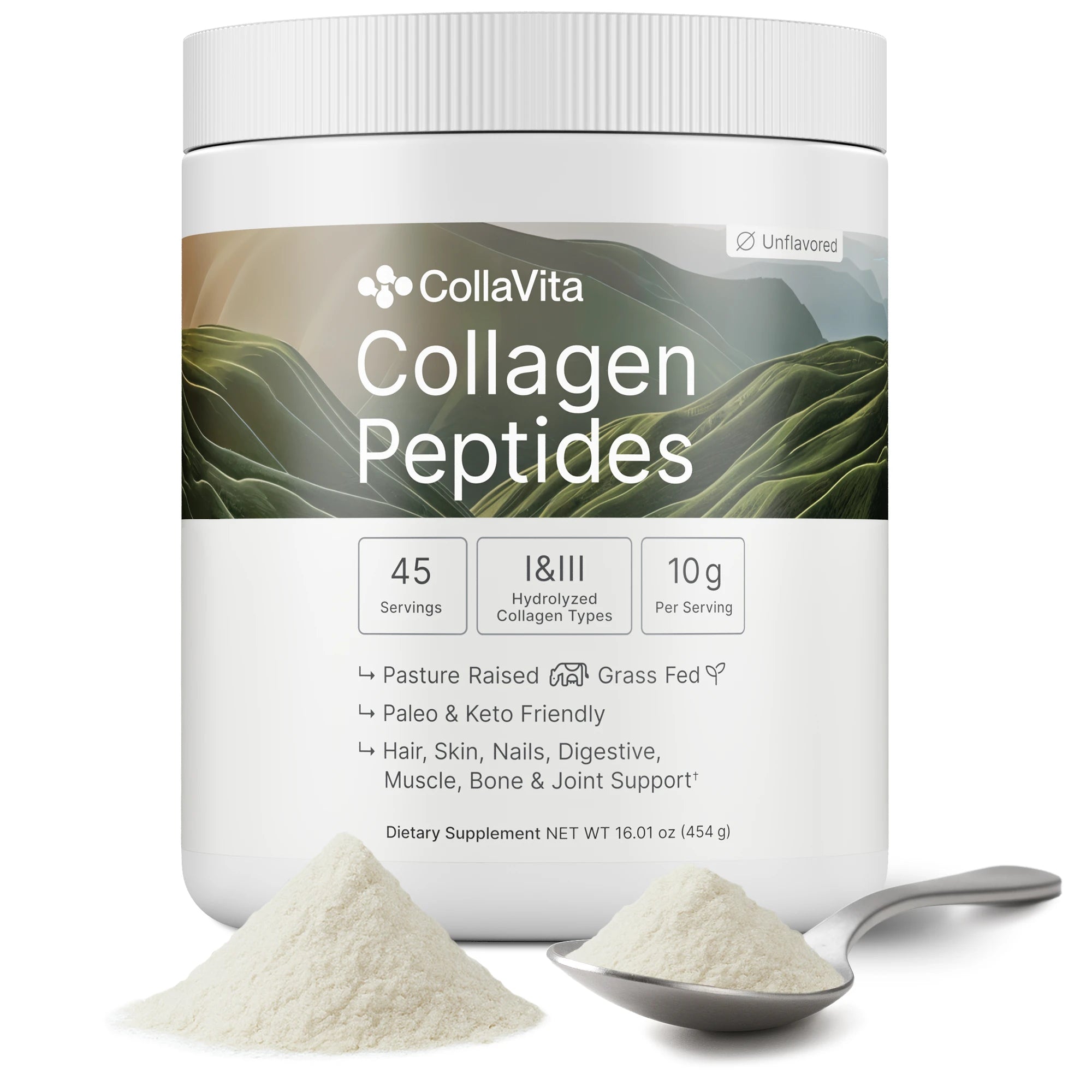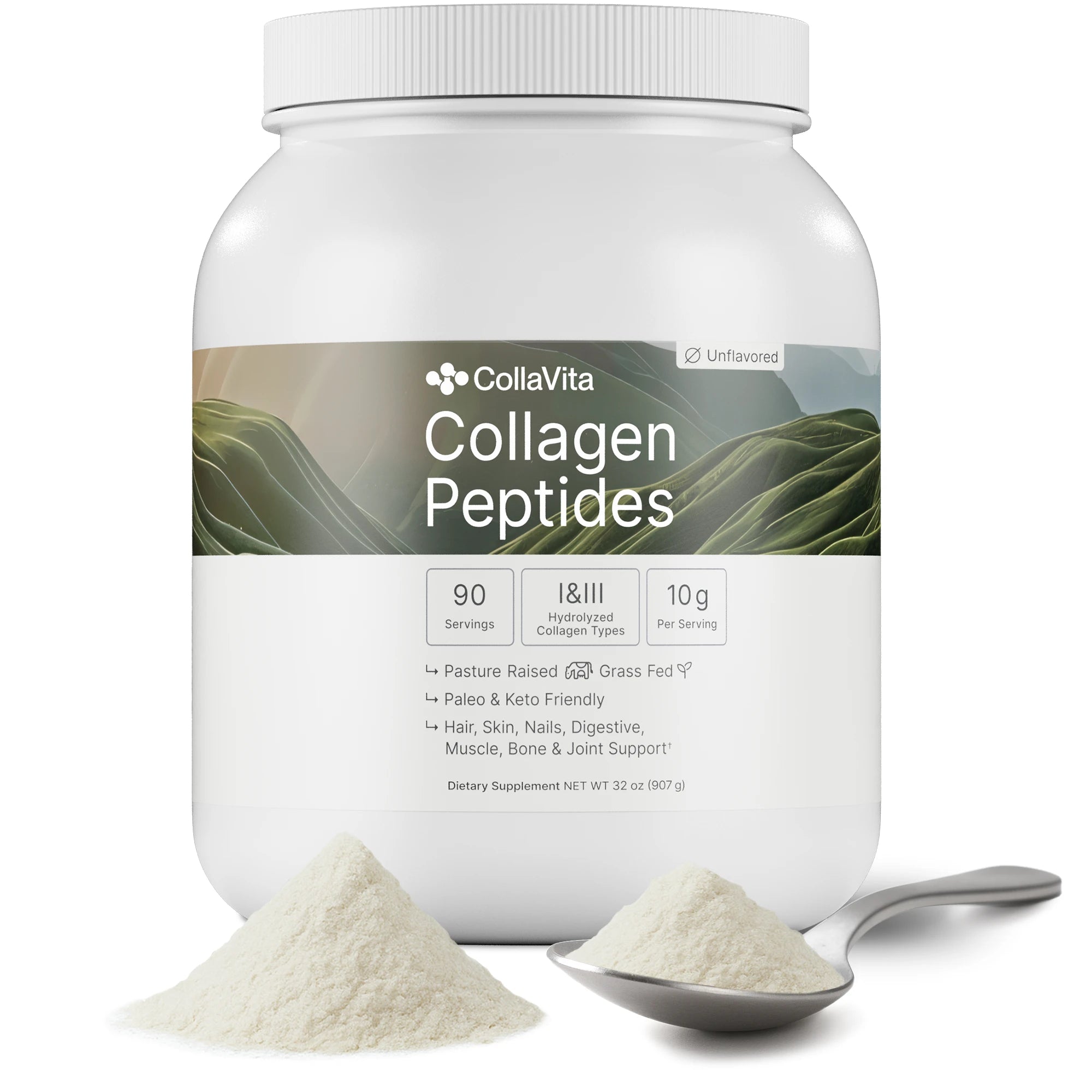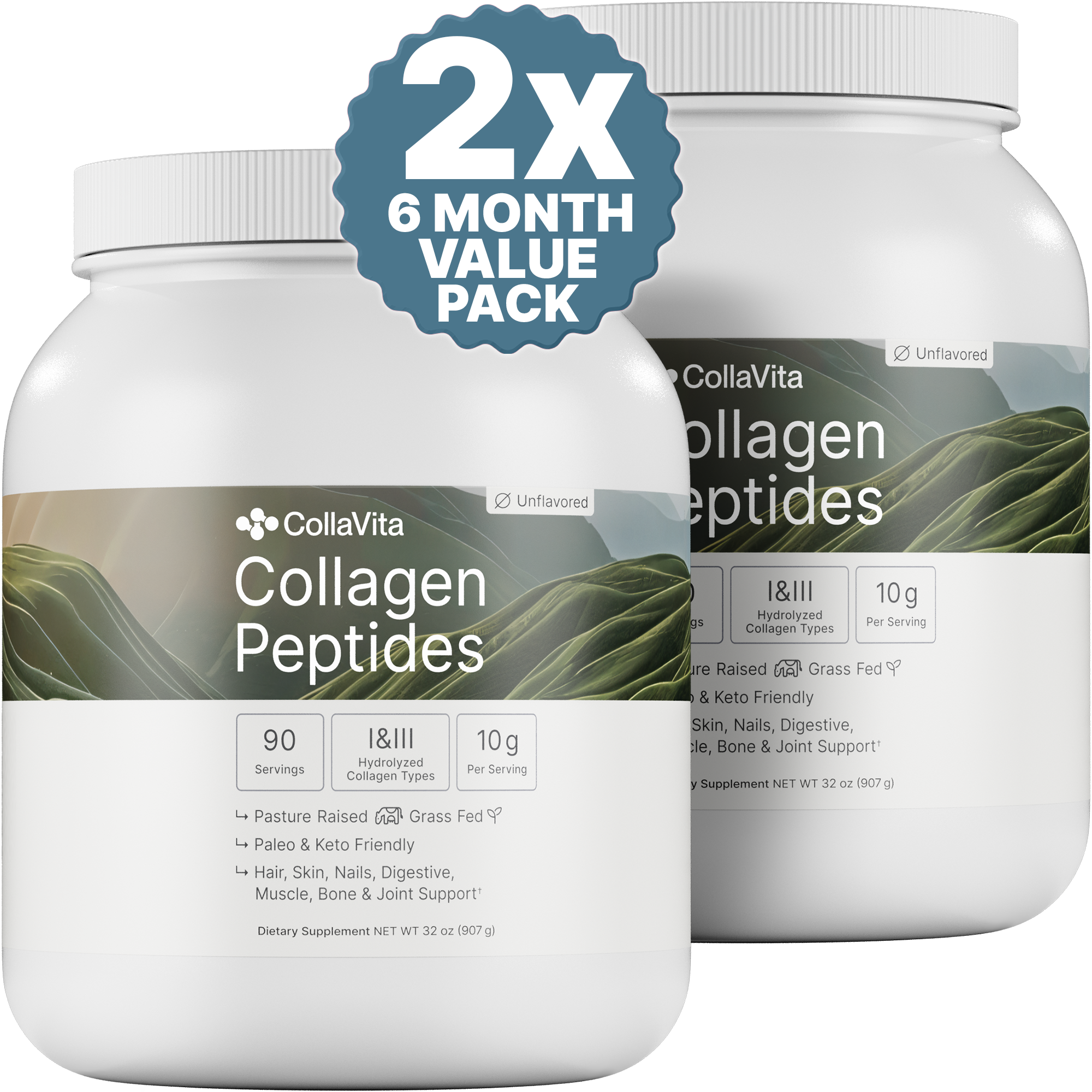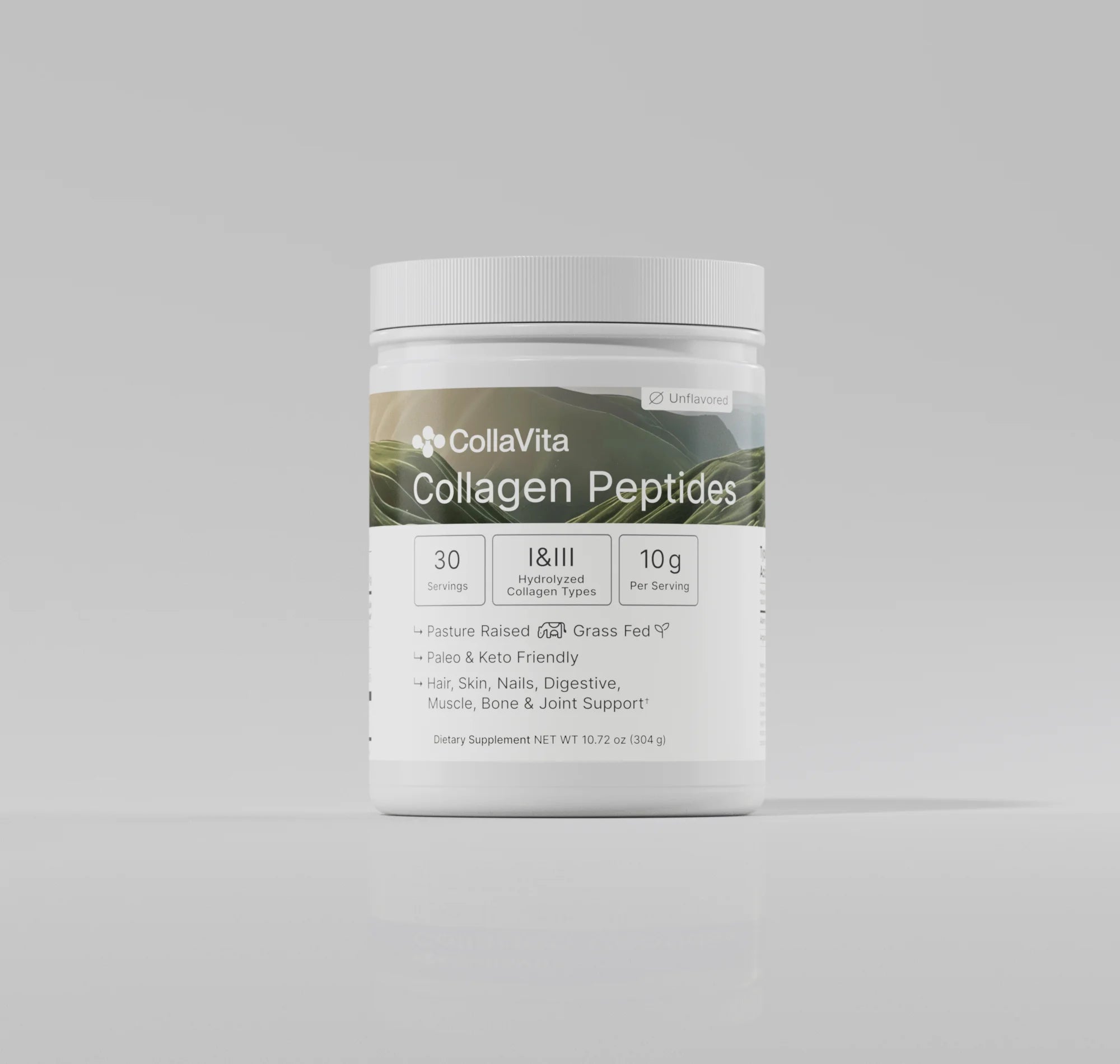
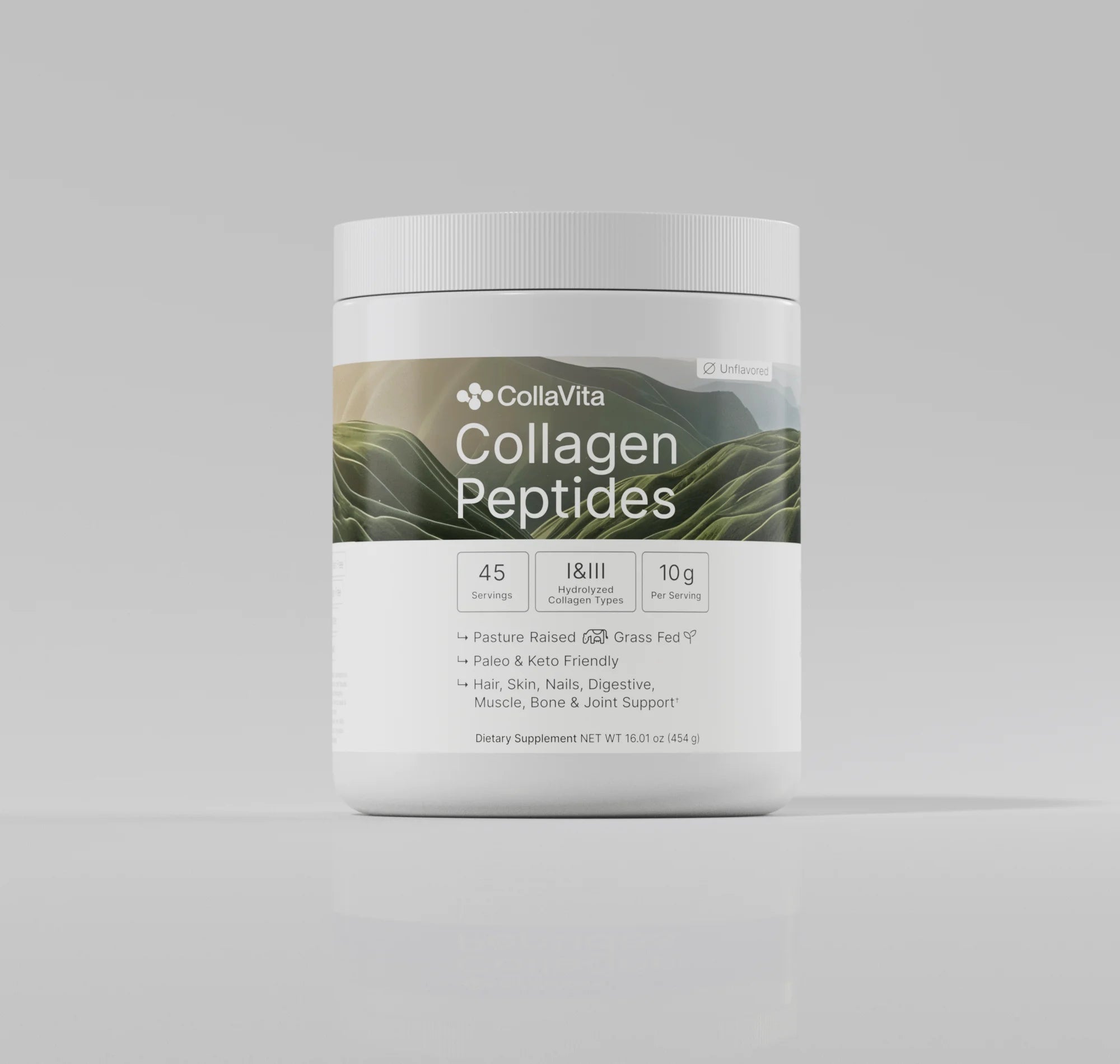
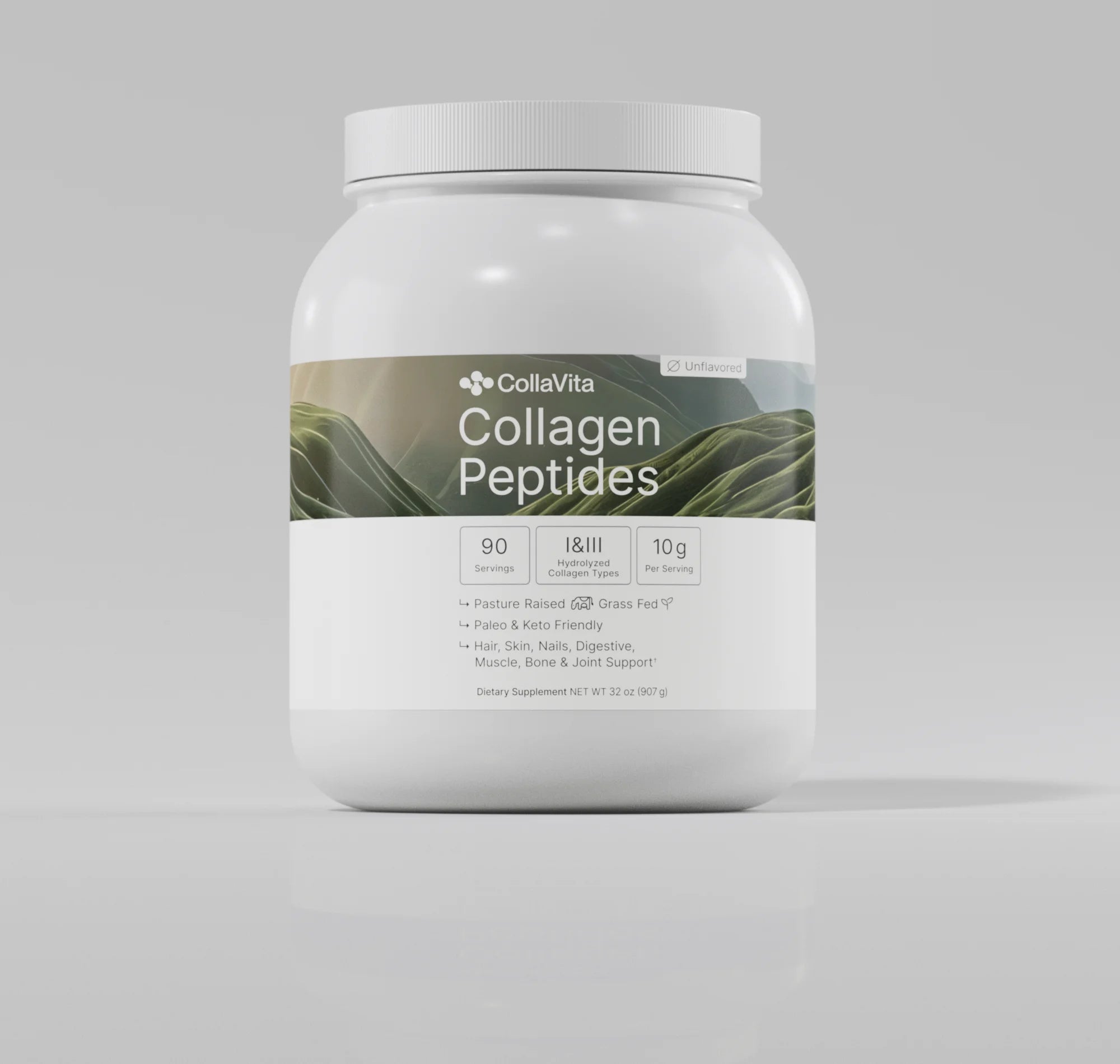
What is Grass-Fed Bovine Collagen?
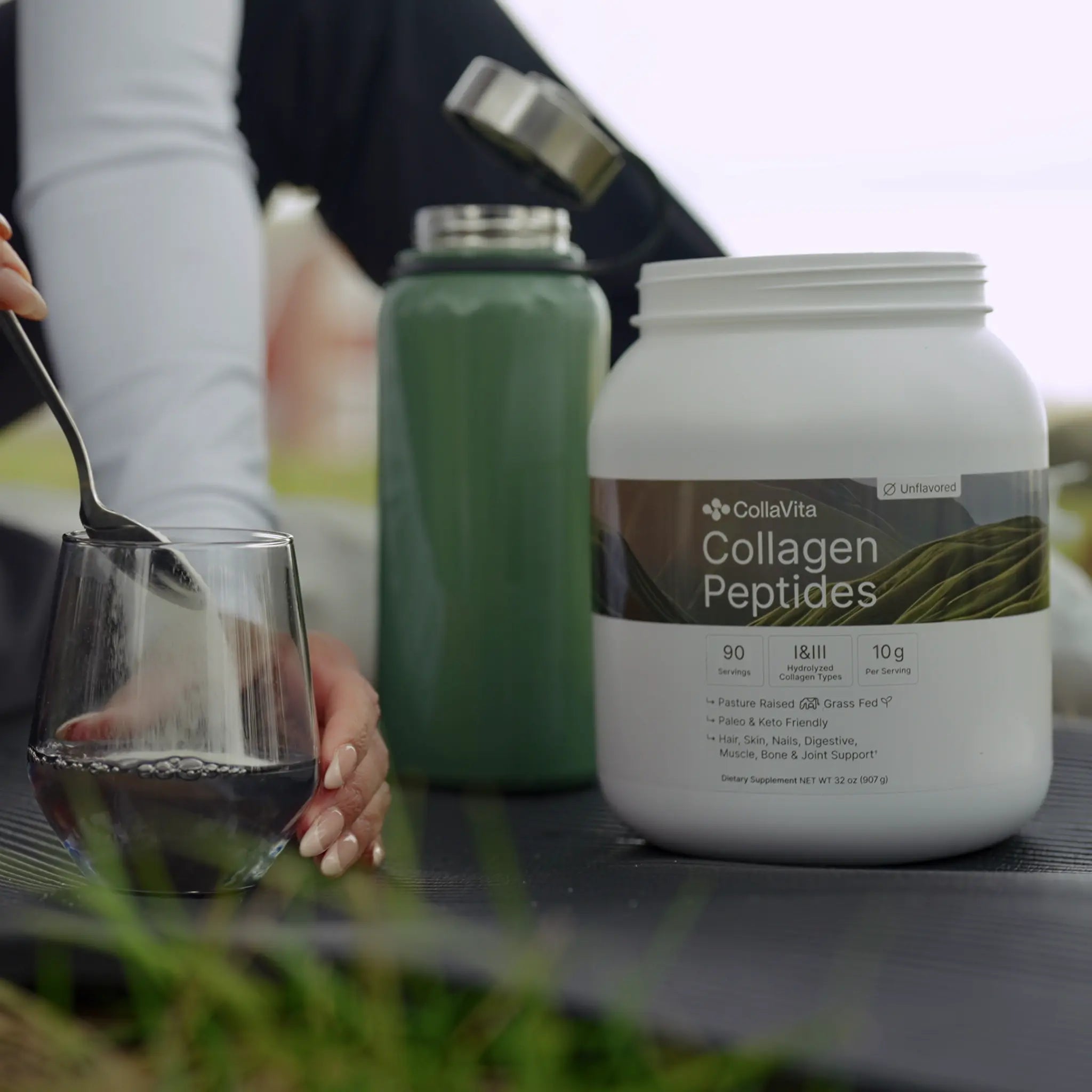
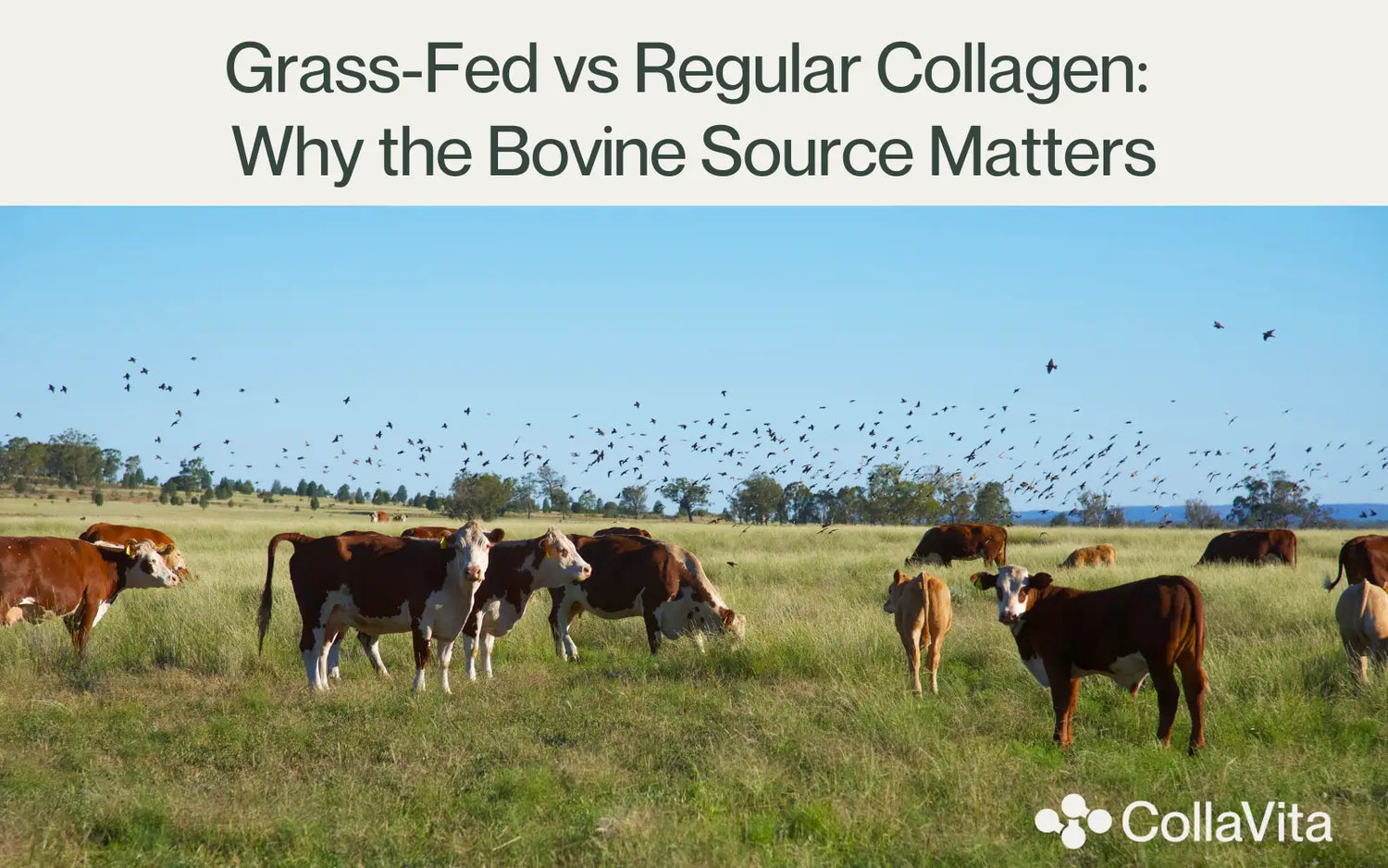
Grass-fed Bovine Collagen is derived from the hides of cattle that have been raised on a natural diet of grass and forage. This practice, often referred to as pasture-raised, means the animals roam freely and consume the diet nature intended, without being confined to feedlots or given a grain-based diet. The resulting collagen is typically hydrolyzed into peptides, making it highly bioavailable and easy for the body to absorb.
How Does Grass-Fed Bovine Collagen Compare to Regular Collagen?
The environment and diet of the cattle directly influence the quality and purity of the final Bovine Collagen product. Conventional, or grain-fed, cattle are often raised in confined operations and fed a diet of corn and soy, which may include antibiotics and growth hormones to promote rapid growth. Scientific literature shows that cattle fed primarily grass produce meat with a more favorable fatty acid profile such as higher levels of omega-3 fatty acids and conjugated linoleic acid (CLA) and greater antioxidant content compared to grain-fed cattle, indicating potential health advantages of grass-fed animal products; this is supported by a comprehensive review published in Nutrition Journal in March 2010 by Daley et al(1).
| Feature | Grass-Fed Bovine Collagen | Regular (Grain-Fed) Collagen |
|---|---|---|
| Source Purity | Free from antibiotics and synthetic hormones. | Potential traces of antibiotics, hormones, and pesticides. |
| Nutritional Profile | Higher in beneficial compounds like Omega-3 fatty acids and CLA. | Lower levels of beneficial fatty acids. |
| Animal Welfare | Pasture-raised, more humane and ethical farming practices. | Often factory-farmed in confined spaces. |
| Environmental Impact | Supports regenerative farming and soil health. | Higher environmental impact due to intensive farming. |
What Benefits Does Grass-Fed Bovine Collagen?
Choosing Grass-fed Bovine Collagen offers a cleaner, more nutrient-dense product that supports a wide range of bodily functions. The benefits extend beyond the typical health outcomes, starting with the source quality itself.
| Benefit Category | Grass-Fed Bovine Collagen Advantage |
|---|---|
| Purity | Free from antibiotics, hormones, and GMO feed, resulting in a cleaner protein matrix. |
| Nutritional Value | Superior amino acid profile with higher levels of glycine, proline, and hydroxyproline. |
| Ethical Sourcing | Supports humane animal treatment through pasture-raised practices. |
| Sustainability | Promotes regenerative agriculture, improving soil health and reducing environmental impact. |
| Targeted Health | Supports skin elasticity, joint mobility, and gut health with high-quality Type I & III peptides. |
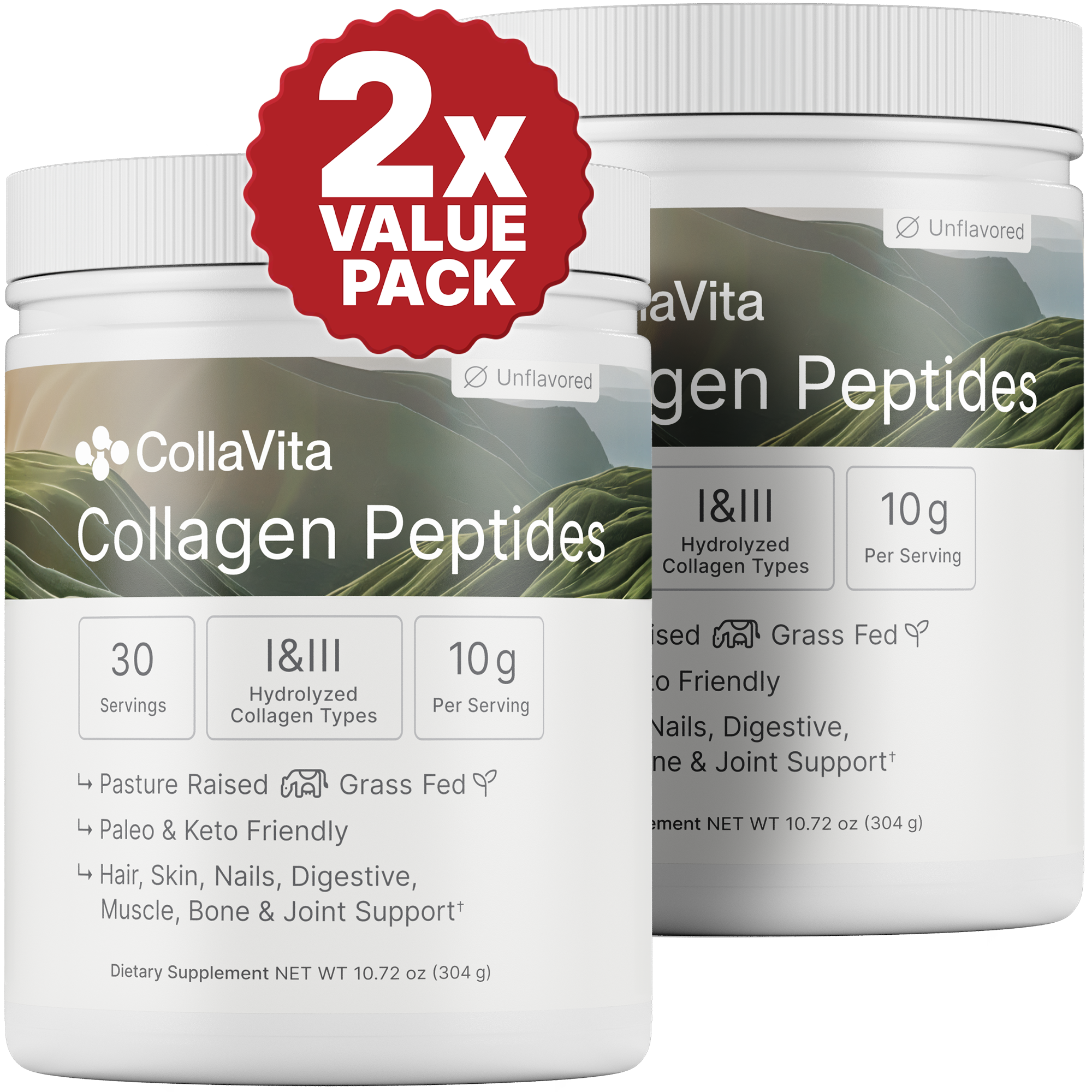
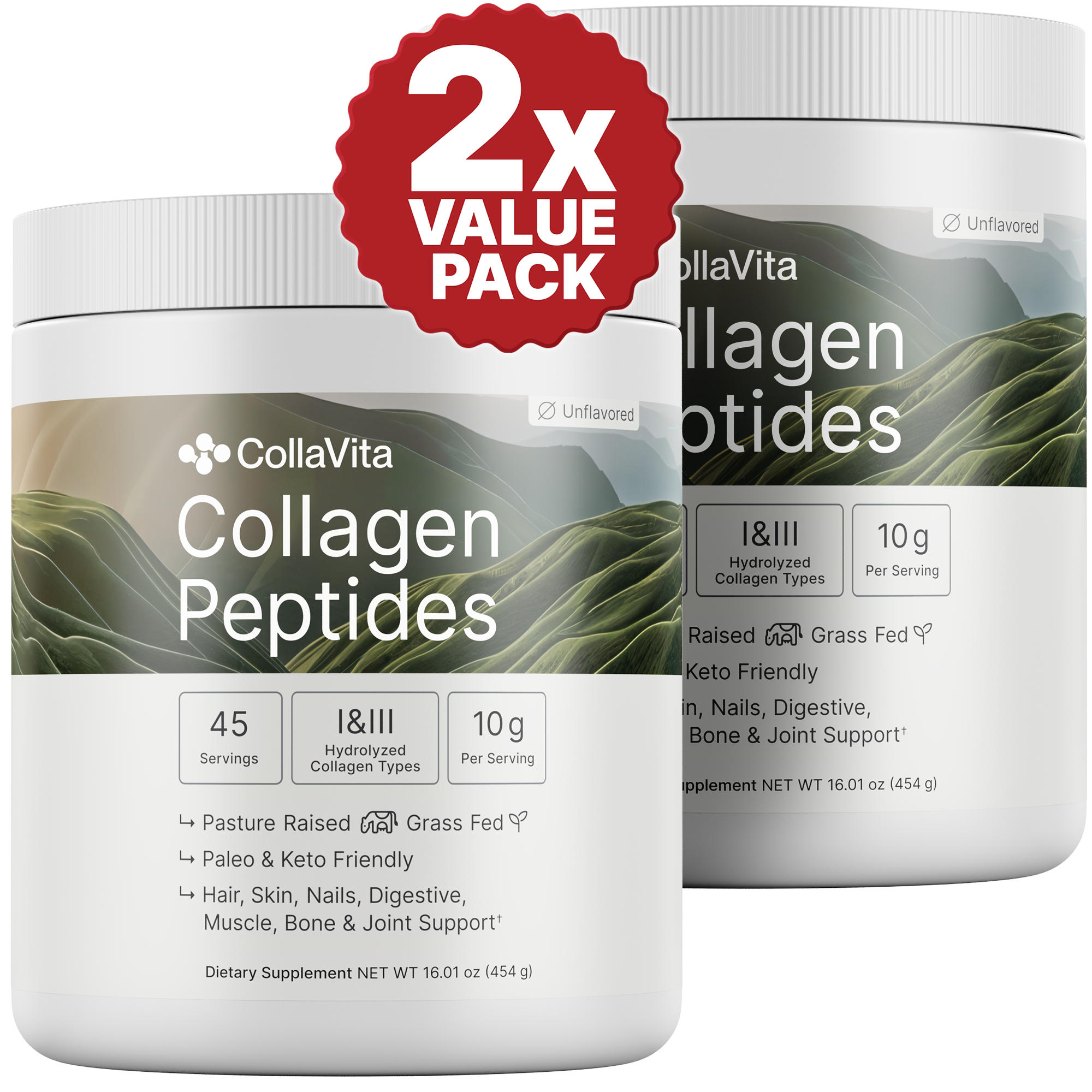
All CollaVita Collagen products are made from 100% grass-fed bovine collagen, offering a clean, high-quality source you can trust. Discover and shop their full selection here: CollaVita Collagen.
How Should You Use Grass-Fed Bovine Collagen?
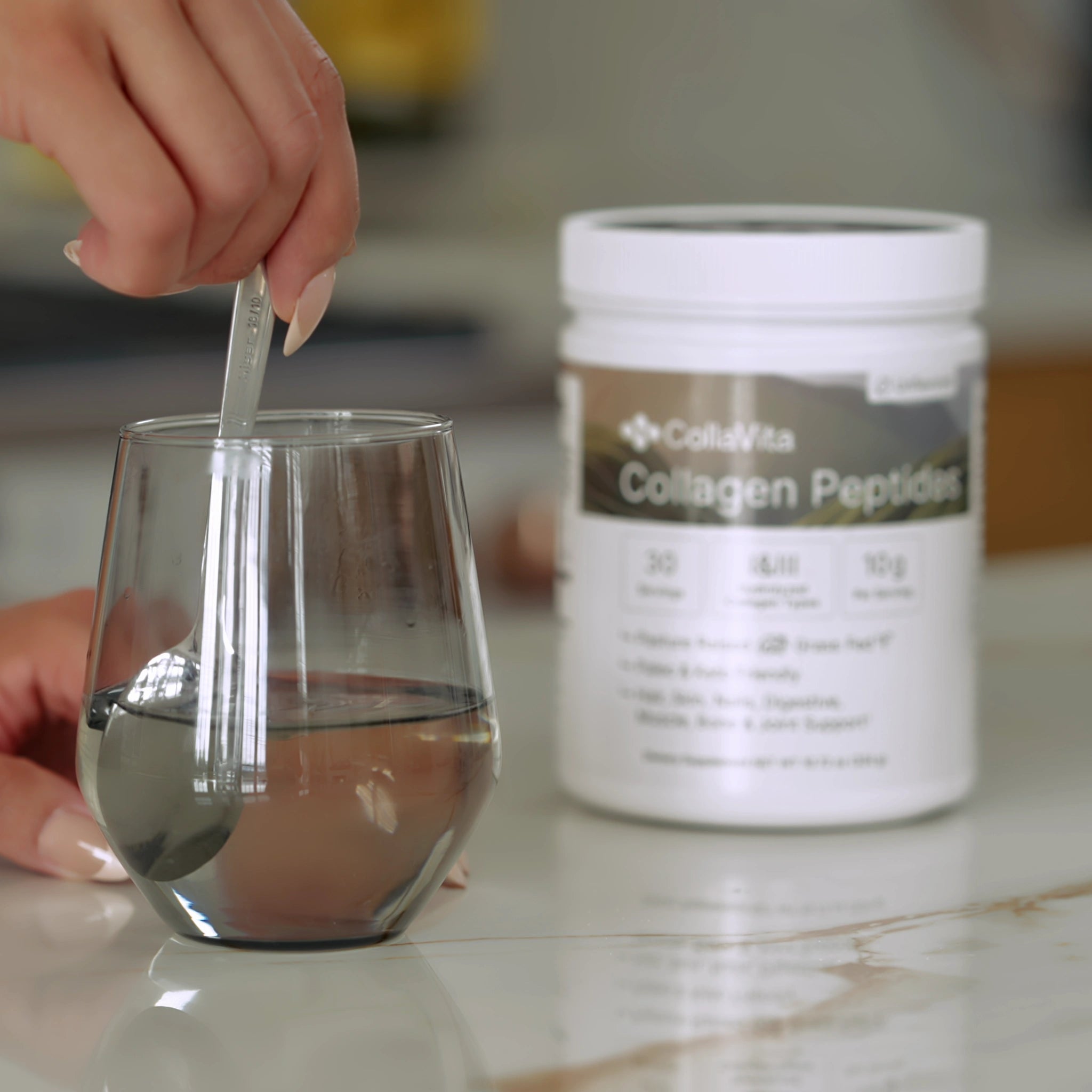
Incorporating Grass-fed Bovine Collagen into your daily routine is simple, thanks to its neutral flavor and excellent solubility. The most common way to use hydrolyzed collagen peptides is to mix 1–2 scoops into your favorite beverages or foods.
- Morning Coffee or Tea: A scoop dissolves instantly, turning your morning drink into a protein-rich beauty and joint booster.
- Smoothies and Shakes: Easily blend it into post-workout or meal-replacement shakes for added protein.
- Oatmeal or Yogurt: Stir it into your breakfast for a seamless way to increase your daily collagen intake.
Is grass-fed bovine collagen better than marine collagen?
It depends on your health goals. Marine collagen is often favored for skin health, while grass-fed bovine collagen provides broader support for joints, muscles, and gut health. A full comparison is available in Marine Collagen.
What are the proven benefits of grass-fed bovine collagen?
High-quality grass-fed bovine collagen may help improve skin elasticity, joint mobility, gut lining integrity, and muscle recovery. For a science-backed overview, read 13 Collagen Benefits.
Are there any side effects of grass-fed bovine collagen?
Grass-fed collagen is generally well tolerated, though mild digestive discomfort may occur in some individuals. For safety considerations, see Side Effects of Collagen Supplements.
Does grass-fed bovine collagen support gut health?
Yes. Grass-fed bovine collagen is rich in glycine, which may help maintain gut lining integrity. For deeper insights, explore Leaky Gut and Gut Health.
SOURCE
(1) - Daley CA, Abbott A, Doyle PS, Nader GA, Larson S. A review of fatty acid profiles and antioxidant content in grass-fed and grain-fed beef. Nutr J. 2010 Mar 10;9:10. doi: 10.1186/1475-2891-9-10. PMID: 20219103; PMCID: PMC2846864.
Scientifically Reviewed by Omer (Matt) Sermet