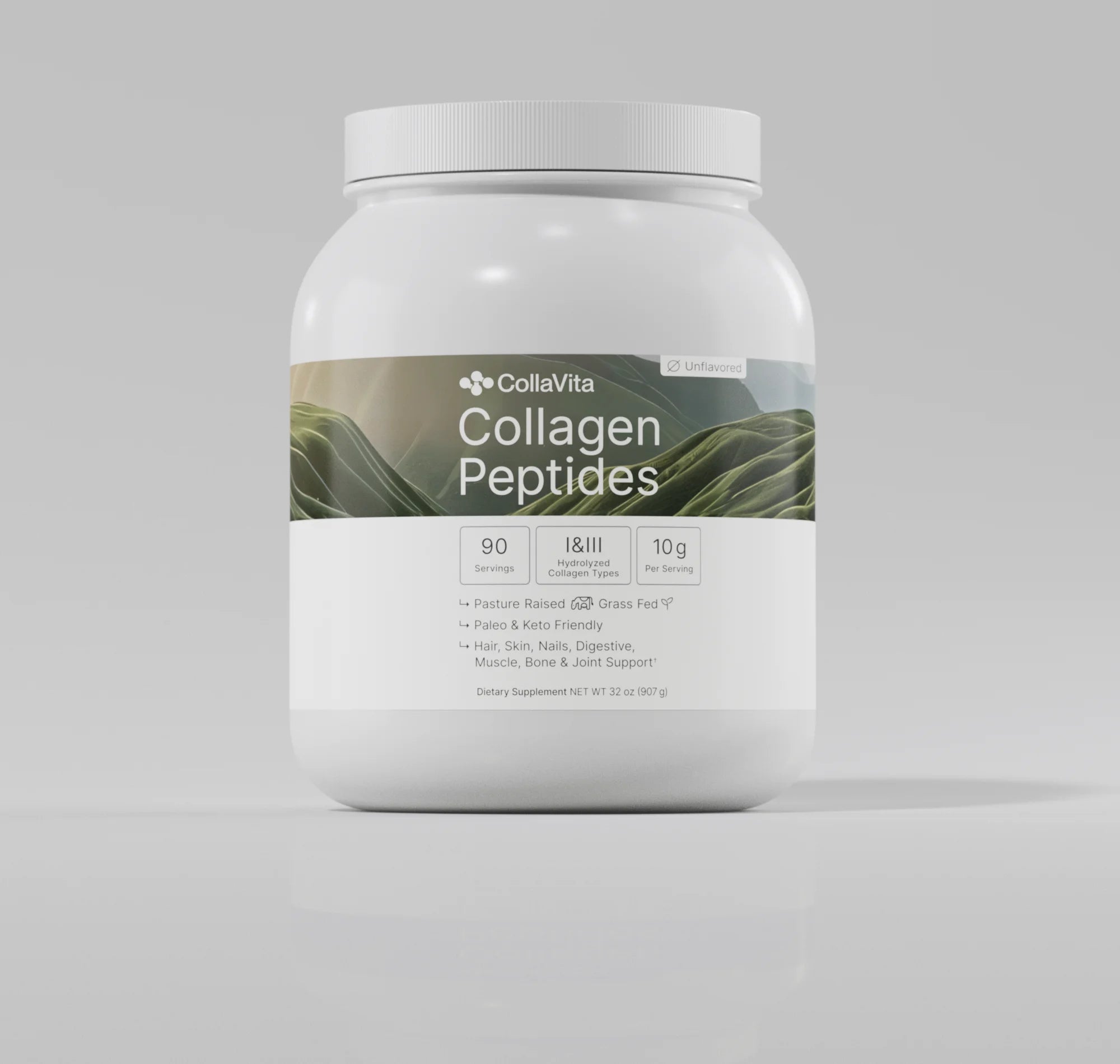

How does collagen work to reduce the appearance of cellulite?
- Reinforce the Dermis: Collagen strengthens the skin's foundation, making the outer layer thicker and firmer.
- Improve Elasticity: Increased elasticity helps the skin resist the outward pressure of fat cells.
-
Smooth the Surface: By tightening the connective tissue, the dimpling effect is significantly reduced.
This mechanism directly addresses the root cause of cellulite's visibility, confirming that collagen for cellulite is a viable strategy.

What type of collagen is best for cellulite reduction?
| Collagen Type | Source | Key Benefit for Cellulite |
|---|---|---|
| Type I | Marine (Fish) or Bovine | Most abundant in skin; crucial for firmness and smoothness. |
| Type III | Bovine | Supports the structural matrix; enhances elasticity and resilience. |
How can I maximize the benefits of collagen for smoother skin?
| Factor | How it Works with Collagen |
|---|---|
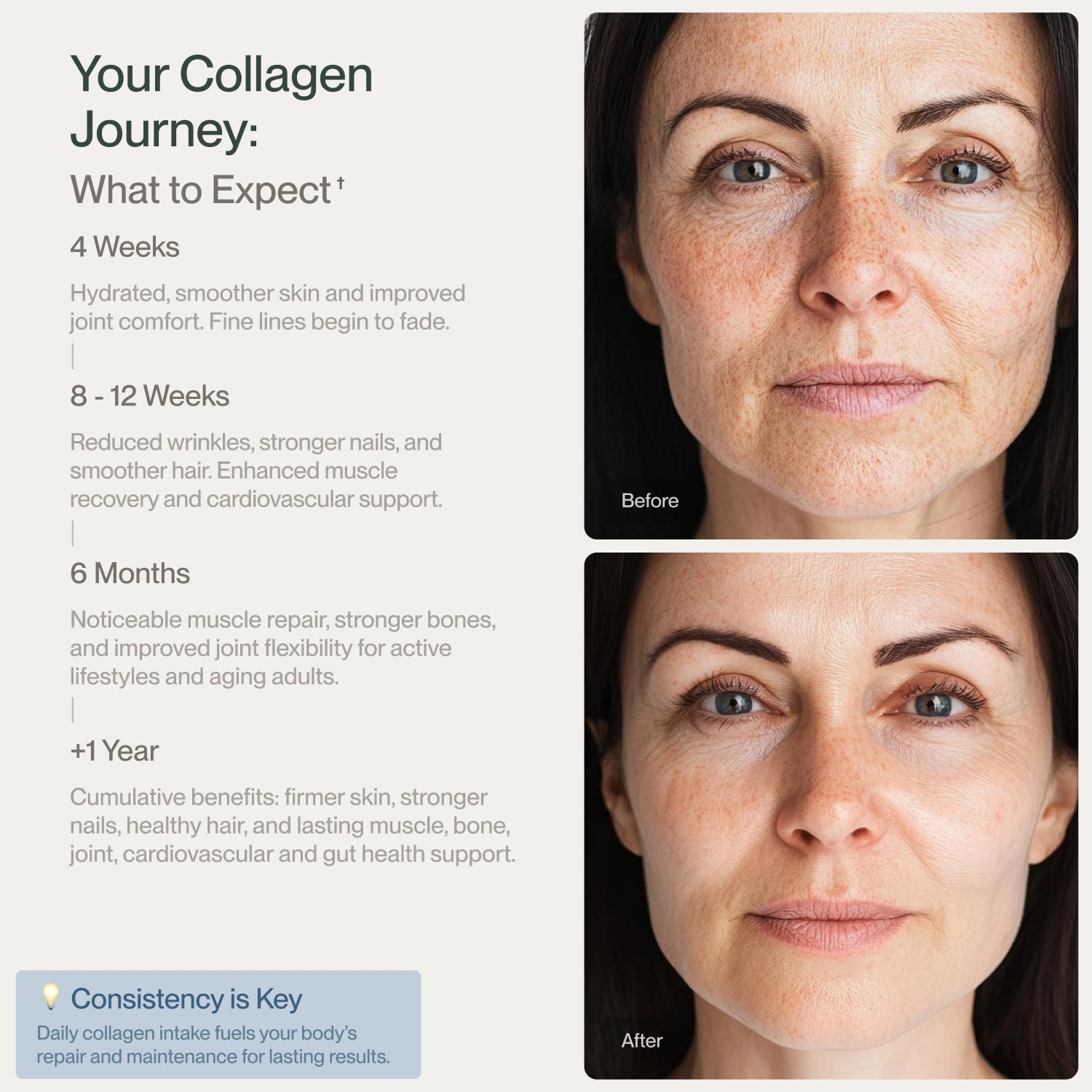
| Consistency | Take your supplement daily for at least 6 months to see the full effect. |
| Hydration | Water helps maintain skin plumpness and elasticity, working synergistically with collagen. |
| Diet | Consume foods rich in Vitamin C (a co-factor for collagen synthesis) and antioxidants. |
| Exercise | Regular activity, especially strength training, improves circulation and muscle tone, which further smooths the skin's appearance. |
What causes cellulite to appear?
While the exact causes are complex, cellulite is a multifactorial condition influenced by several key elements. Understanding these factors is crucial for a holistic approach to smoother skin.
| Factor | Impact on Cellulite |
|---|---|
| Hormones | Estrogen plays a significant role in fat distribution and connective tissue structure. Hormonal changes (puberty, pregnancy, menopause) can worsen its appearance. |
| Genetics | Predisposition to cellulite is often inherited, influencing fat storage and the strength of connective tissue. |
| Age | As we age, natural collagen production declines, weakening the skin's structure and making the dimpling more visible. |
| Lifestyle | Poor diet, lack of exercise, and inadequate hydration can contribute to weakened connective tissue and increased fat storage, exacerbating cellulite. |
Is collagen particularly beneficial for women's skin health?
Yes, the topic of collagen for women is highly relevant, as women's skin structure and hormonal fluctuations make them more susceptible to cellulite and age-related collagen loss. Supplementation helps reinforce the dermal layer, which is naturally thinner in women, providing better support against fat cell protrusion and improving overall skin firmness.
Why is marine collagen often recommended for skin elasticity?
The effectiveness of marine collagen is due to its high concentration of Type I collagen, which is the primary structural component of the skin. Furthermore, its peptides are typically smaller and highly bioavailable, meaning they are absorbed more efficiently by the body, making them exceptionally effective at boosting skin hydration and elasticity, key factors in reducing the appearance of cellulite.
Can collagen help with skin changes experienced during menopause?
Absolutely. Supplementing with collagen during menopause is crucial because the sharp decline in estrogen during this period accelerates collagen breakdown and significantly reduces new collagen production. By supplementing, you can help counteract this rapid loss, maintaining the skin's structural integrity and mitigating the increased visibility of cellulite and wrinkles associated with menopausal skin changes.