What is the fundamental difference between Keratin and Collagen?
The fundamental difference lies in their structure, function, and primary location in the body. Collagen is a structural protein, often referred to as the "glue of the body," providing the framework that supports skin elasticity, tendons, and bones. Keratin is a fibrous, protective protein that forms the primary component of hair, skin, and nails, enhancing their strength and resilience.
| Feature | Keratin | Collagen |
|---|---|---|
| Protein Type | Fibrous, protective protein | Structural protein |
| Primary Location | Hair, nails, and the outer layer of skin (epidermis) | Skin (dermis), tendons, bones, cartilage, and connective tissues |
| Primary Function | Provides strength, resilience, and a protective barrier | Provides structure, firmness, flexibility, and elasticity |
| Structure | Helical, tougher, and more rigid | Triple-helix, flexible, and high tensile strength |
| Key Benefit | Reduces breakage, smooths hair, protects skin | Reduces wrinkles, improves skin hydration, supports joints |
How do Keratin and Collagen benefit hair health?
Keratin and Collagen benefit hair health in complementary ways. Keratin directly fortifies the hair shaft, while collagen supports the underlying growth process.
Keratin's Role in Hair
Keratin is the main building block of the hair strand. It acts as a robust barrier, protecting hair from environmental damage and reducing breakage.
- Strengthening: Penetrates the hair fiber to strengthen its internal structure.
- Smoothing: Seals damaged cuticles, which reduces frizz and enhances natural shine.
- Protection: Shields hair from external aggressors like heat, chemicals, and pollution.
Collagen's Role in Hair
Collagen provides the essential support structure and nutrients for healthy hair growth.
- Amino Acid Supply: Provides amino acids (like proline and glycine) necessary for the body to synthesize its own keratin.
- Scalp Health: Supports the health of the hair follicle and promotes scalp hydration, which is crucial for growth.
- Antioxidant: May help fight free radicals that damage hair follicles.
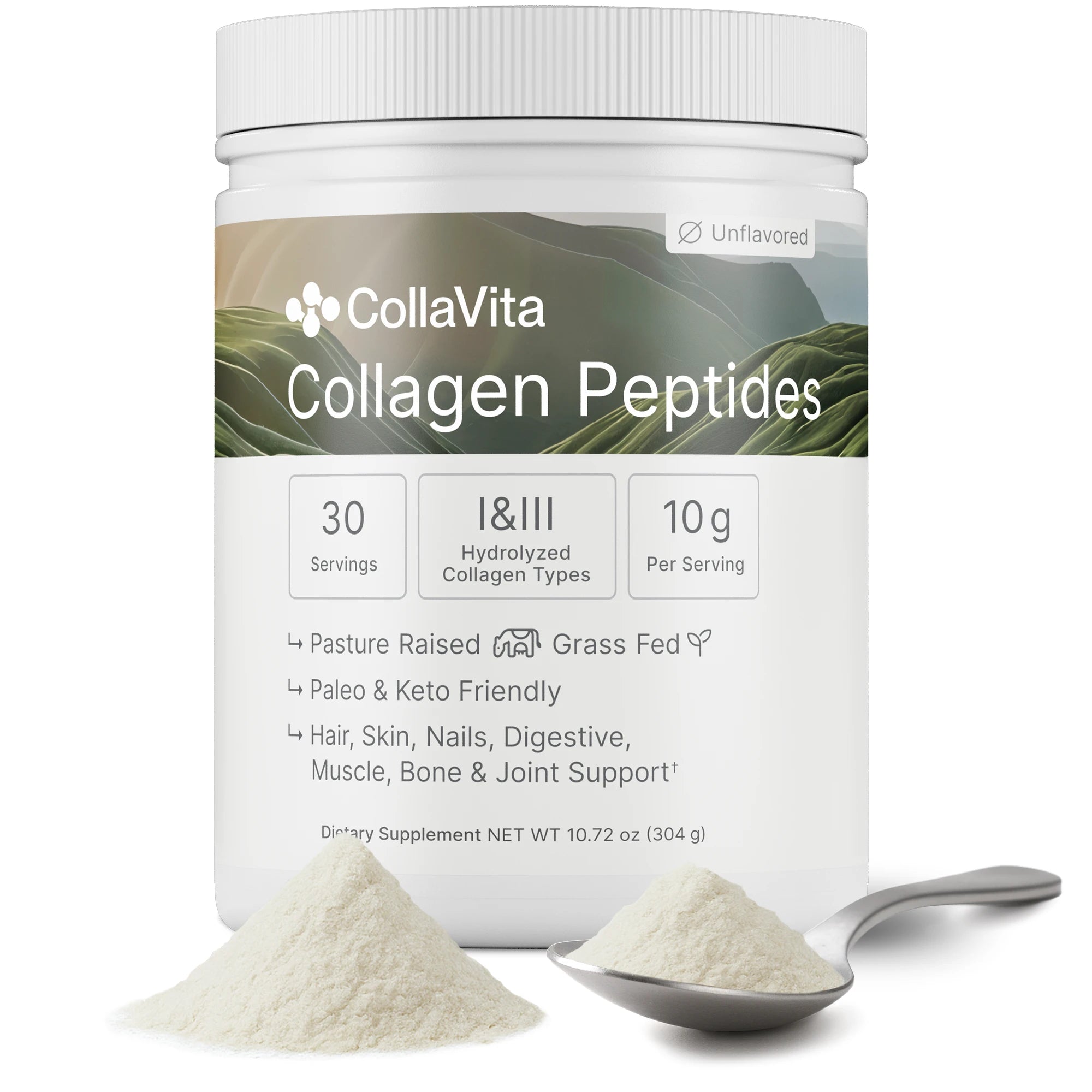
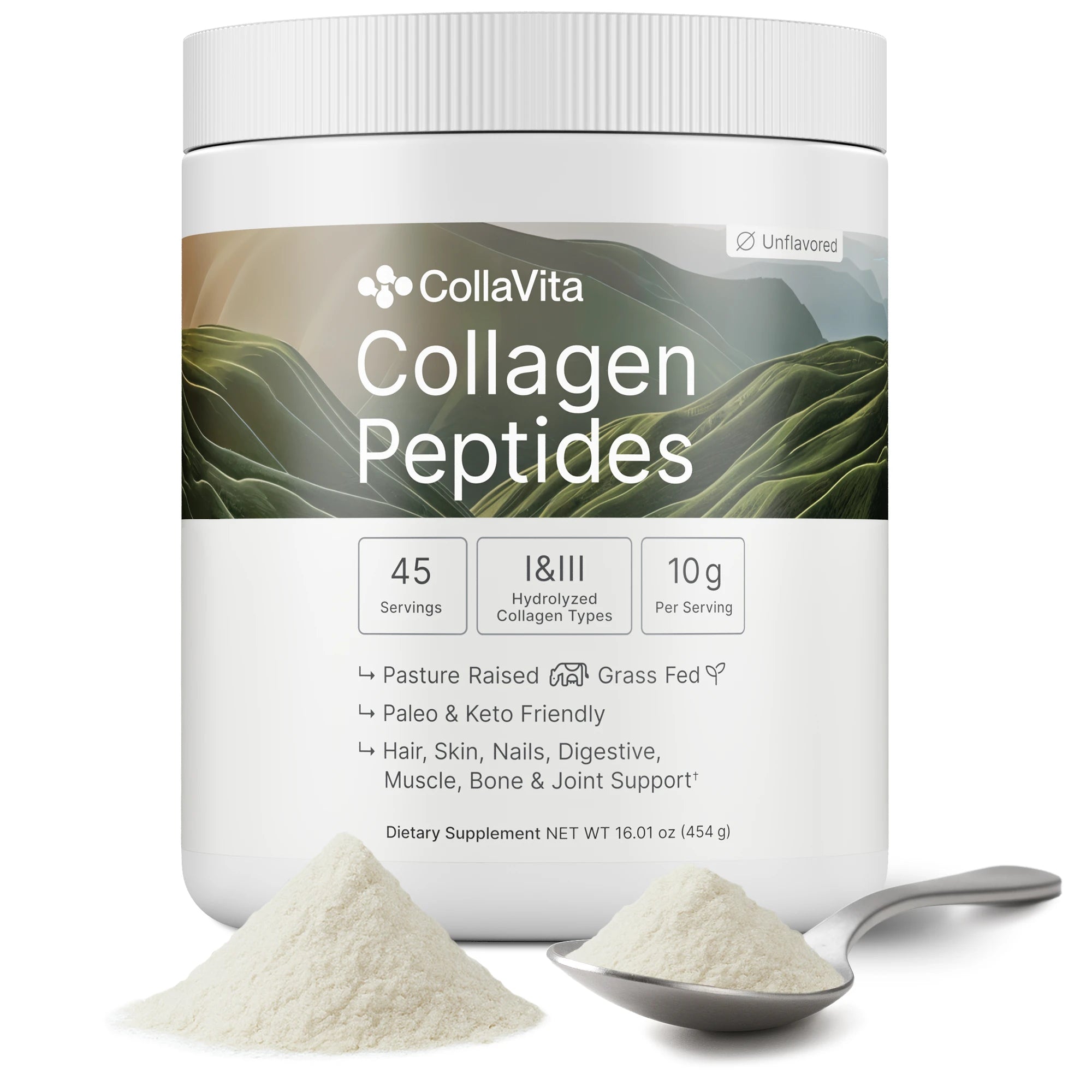
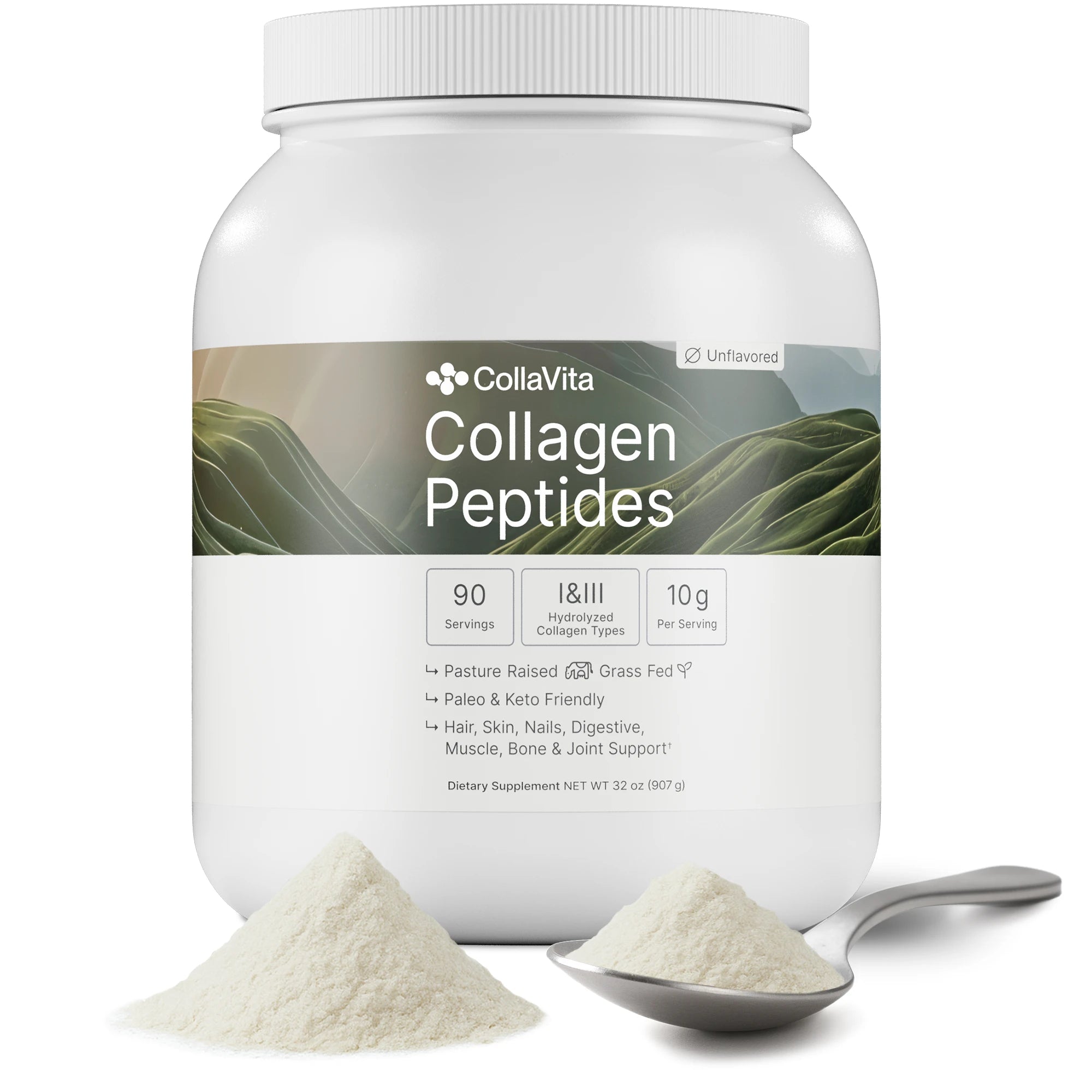
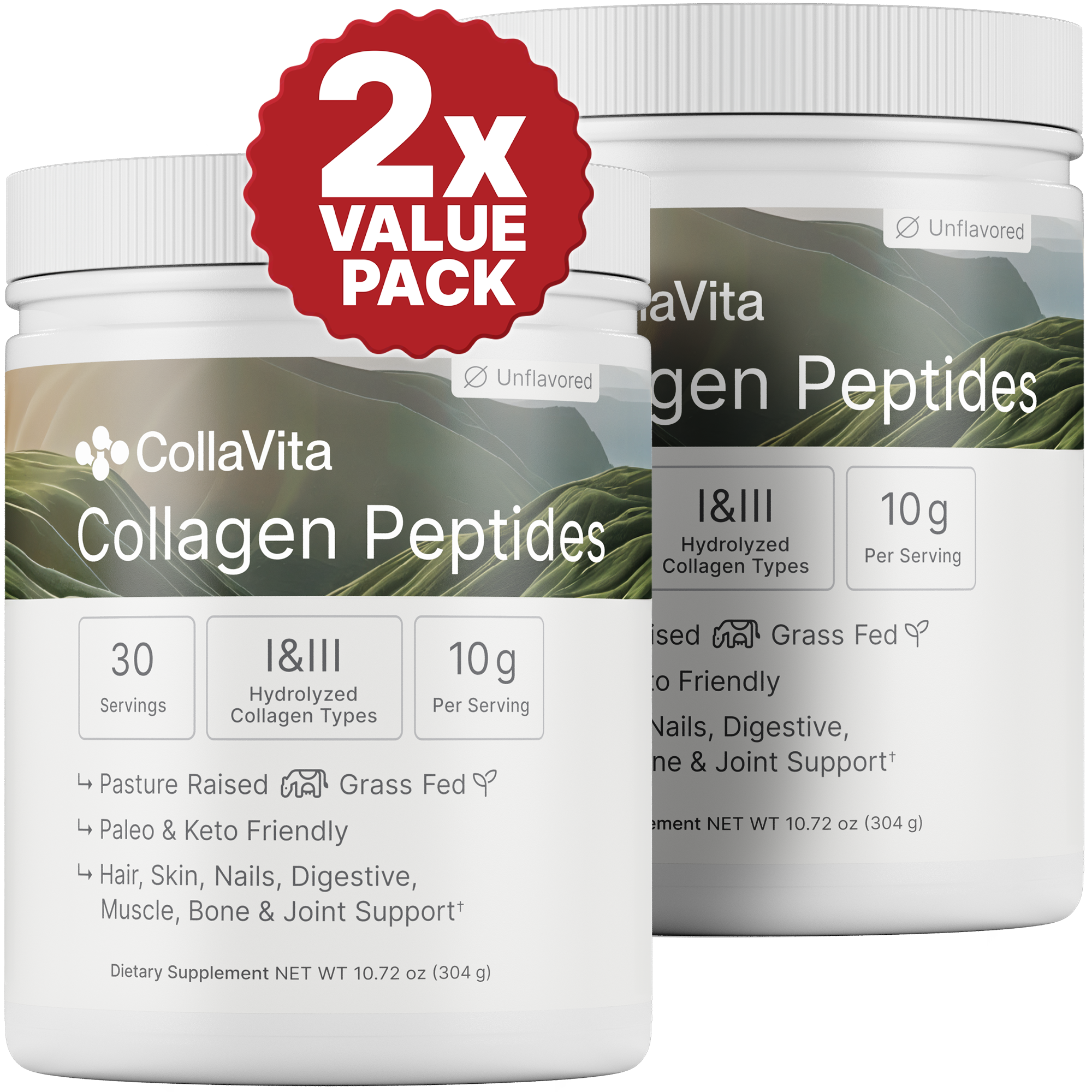
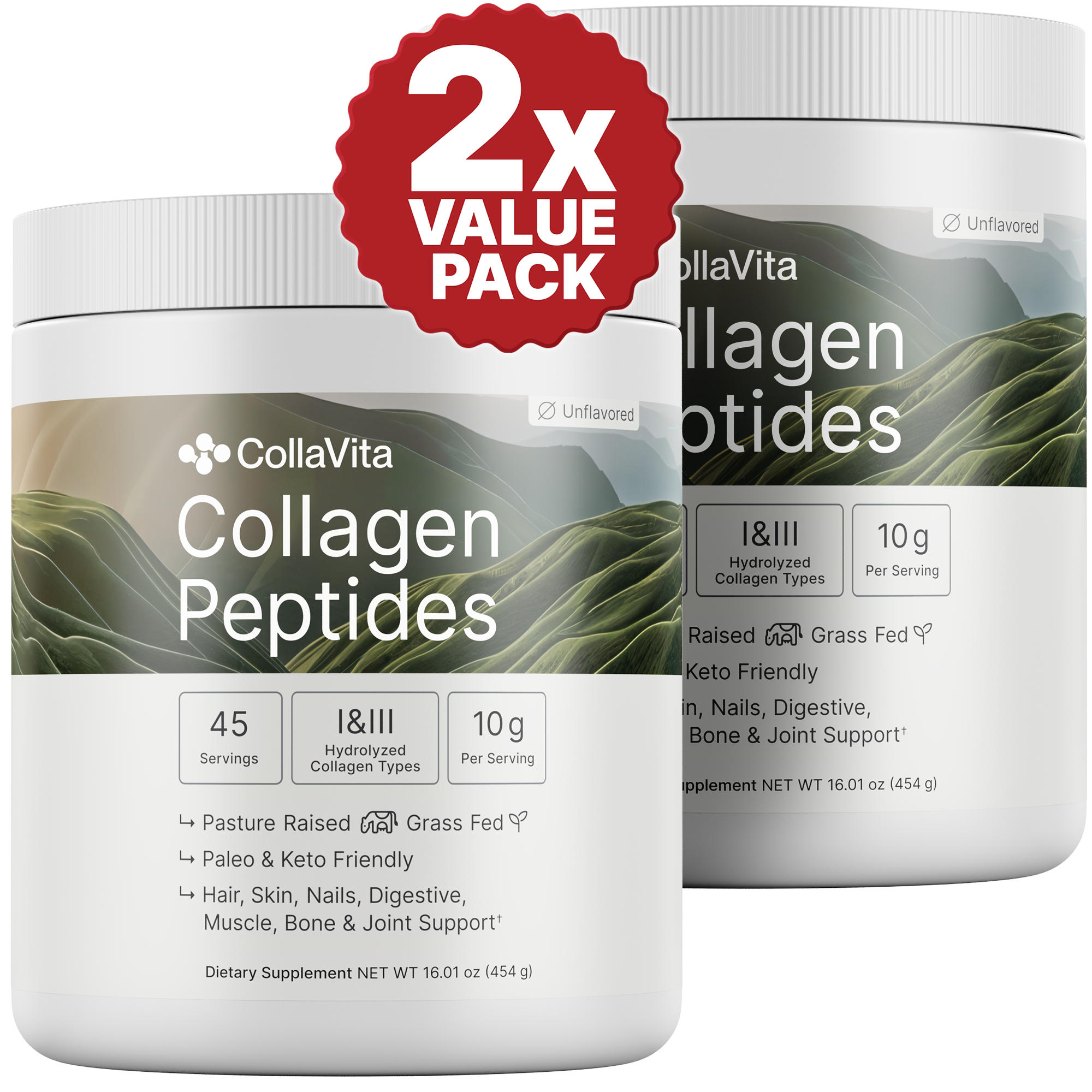
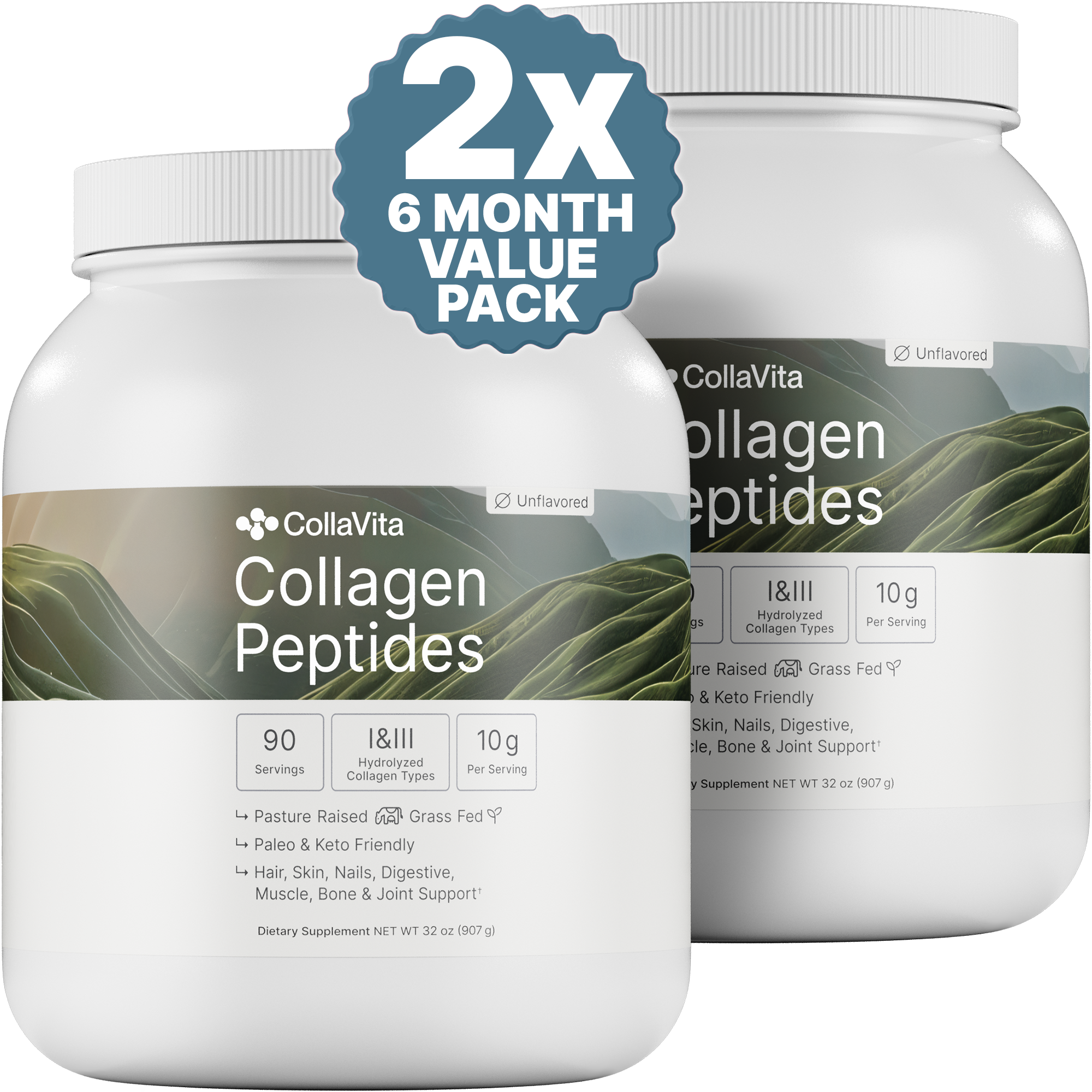
To nourish your hair from within and support healthy growth, explore CollaVita Collagen.

What are the distinct benefits of Keratin and Collagen for skin?
Collagen and Keratin offer distinct yet synergistic benefits for the skin. Collagen works from the inside to maintain structure, while keratin provides a protective shield on the surface.
Collagen for Skin
Collagen is crucial for maintaining the skin's youthful appearance and structural integrity.
- Elasticity and Firmness: Supports the dermal layer, reducing the appearance of fine lines and wrinkles.
-
Hydration: Helps the skin retain moisture, leading to a plumper, more supple complexion.
- Anti-Aging: Replenishing declining collagen levels helps combat age-related sagging and loss of volume.
Keratin for Skin
Keratin forms the outermost protective layer of the skin (epidermis).
- Protective Barrier: Reinforces the skin's resilience against environmental damage, such as UV exposure and pollution.
-
Moisture Retention: Prevents transepidermal water loss, helping the skin stay hydrated.
- Wound Healing: Plays a role in the skin's natural repair and regeneration process.
A 2016 review in Skin Keratins(1) reported that Type I and Type II keratins form essential structural networks within keratinocytes, reinforcing epidermal integrity and supporting proper skin differentiation.

How to decide: Keratin vs. Collagen?
The choice between a Keratin or Collagen supplement depends entirely on your primary health goal.
| Feature | Collagen Supplement | Keratin Supplement |
|---|---|---|
| Effectiveness | Highly effective and widely recommended for systemic benefits. | Generally considered less effective as an oral supplement. |
| Primary Target | Skin elasticity, joint health, and bone density. | Direct hair and nail benefits (topical treatments are often preferred). |
| Absorption | Easily absorbed by the body. | Body naturally produces keratin from dietary proteins. |
| Goal Alignment | Choose if your goal is skin elasticity and joint support. | Prioritize topical treatments if your goal is hair smoothing and strengthening. |
What natural sources support the production of these proteins?
You can support your body's natural production of both proteins through a balanced diet.
Natural Sources for Collagen Production
Collagen intake is best supported by foods rich in the protein itself or the necessary building blocks, often referred to as collagen sources.
- Bone Broth: Rich in gelatin, a cooked form of collagen.
- Fish Skin: Particularly from fatty fish like salmon, which also provides beneficial Omega-3s.
- Vitamin C: Essential cofactor for collagen synthesis (e.g., citrus fruits, bell peppers).
- Proline and Glycine: Amino acids found in eggs, dairy, and meat, are also important for glycine and collagen production.
Natural Sources for Keratin Production
Keratin production relies on a steady supply of specific vitamins and amino acids.
- Biotin (Vitamin B7): Crucial for keratin infrastructure (e.g., eggs, nuts, sweet potatoes).
- Sulfur-rich Foods: Provide the necessary sulfur for keratin structure (e.g., onions, garlic, cruciferous vegetables).
- Protein: Lean meats, fish, and legumes provide the necessary amino acids.
- Zinc: Supports protein synthesis (e.g., pumpkin seeds, red meat).
SOURCE
(1) - Wang F, Zieman A, Coulombe PA. Skin Keratins. Methods Enzymol. 2016;568:303-50. doi: 10.1016/bs.mie.2015.09.032. Epub 2015 Nov 19. PMID: 26795476; PMCID: PMC4902878.
Scientifically Reviewed by Omer (Matt) Sermet